Whitefish, Montana—July 3, 2024

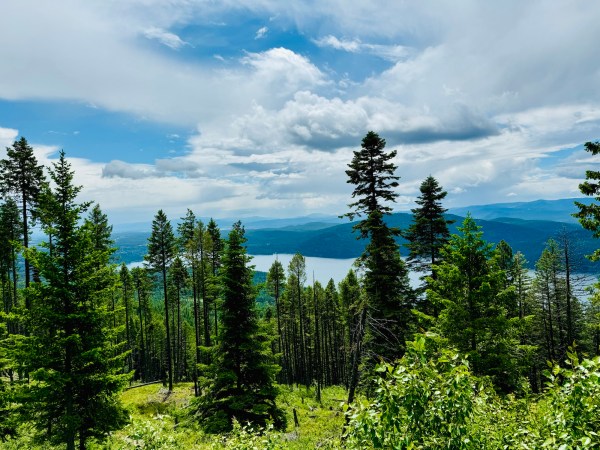
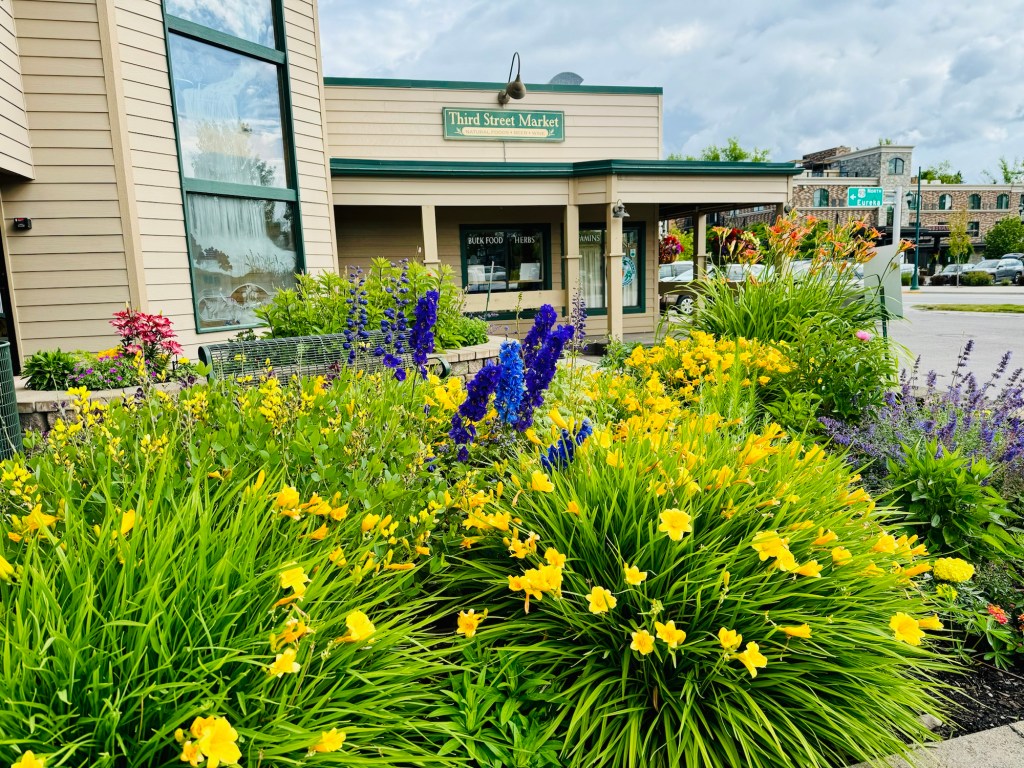
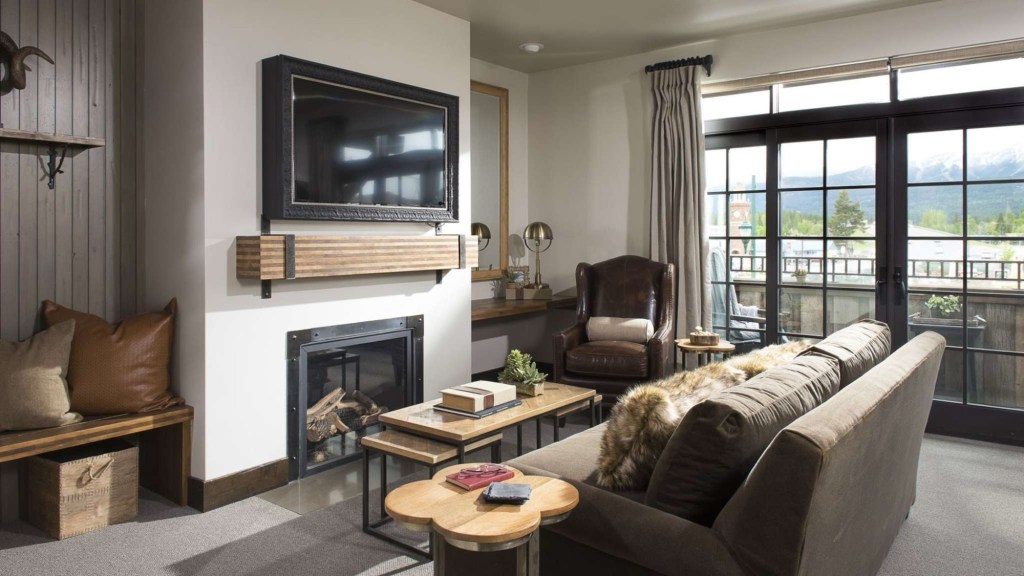
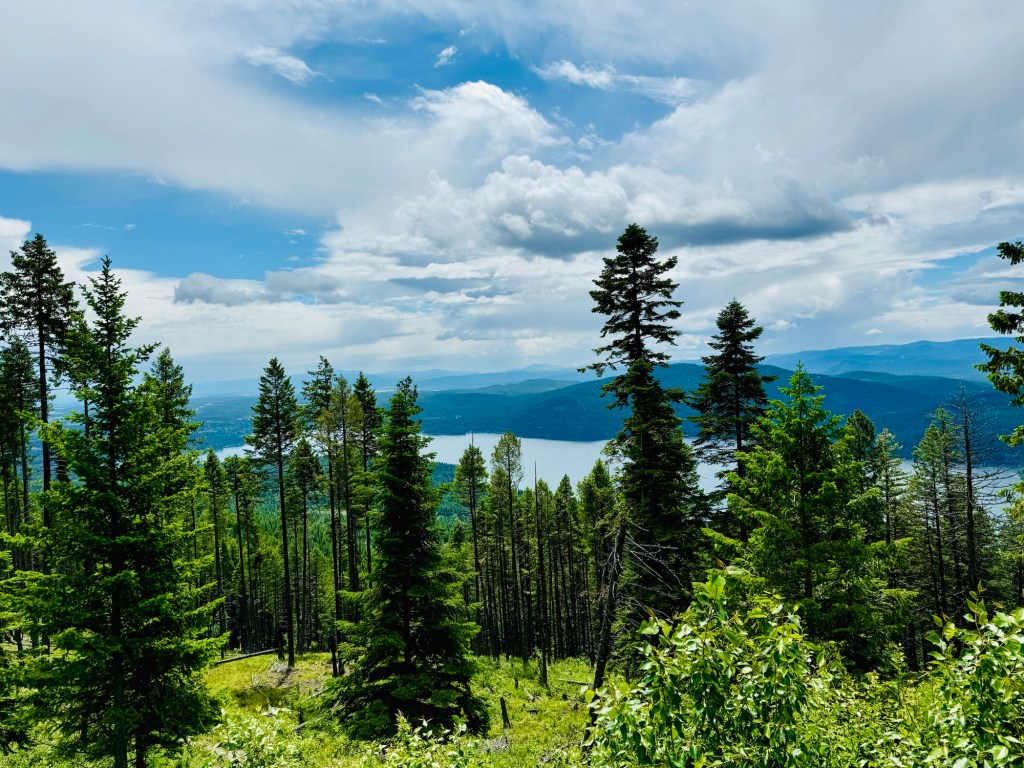
We are in Whitefish, Montana staying downtown in a cute condo. Whitefish is a picturesque little town nestled in the mountains of northwestern Montana, with Whitefish Lake, numerous hiking trails and snow skiing in the winter all near by. It’s only about 50 miles from the entrance of Glacier National Park. The town is already packed for the 4th of July, so it’s nice to be within walking distance of restaurants and shopping.

After our ordeal with Vanna in Jackson, Doug called the rental company here last week just to make sure we could park an oversized vehicle easily close to our condo. Jerod, the property manager, said “No problem. There is plenty of parking, and then he went on to name some options.” Au contraire, Jerod. When we arrived here yesterday afternoon, our situation looked bleak. Small town, tons of traffic, and no overnight parking. Not a nice surprise. So, we called the only rental car company in town and rented their last available car, a Toyota Forerunner. After that we called Mountain View RV Park and rented their last available camping spot. Actually, they were booked solid, but they had a last minute cancellation. So Vanna is hanging out several miles away at an RV park while we are enjoying downtown Whitefish.

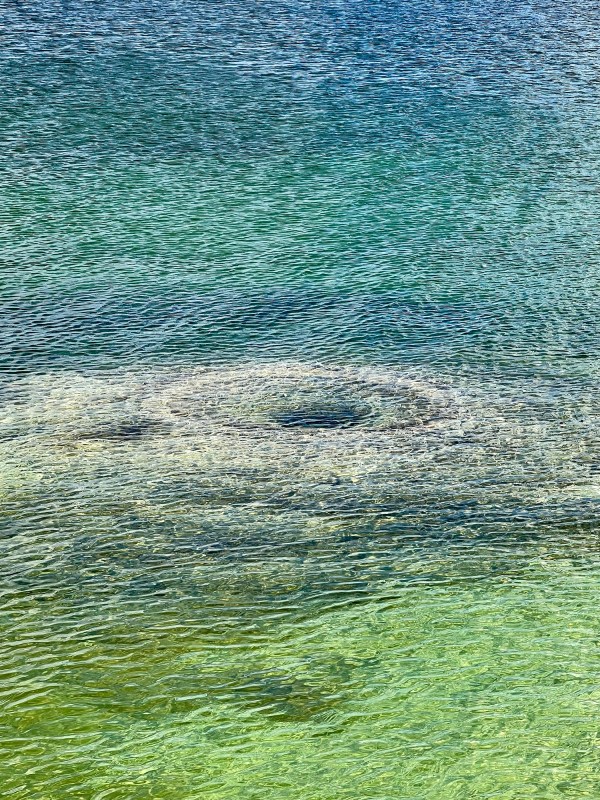
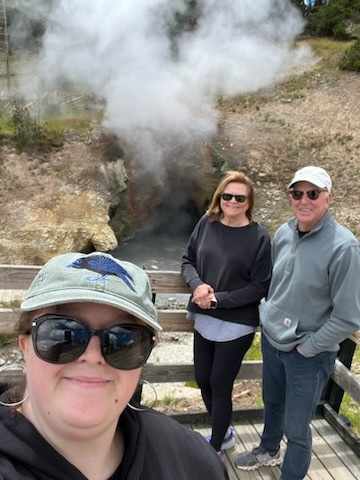
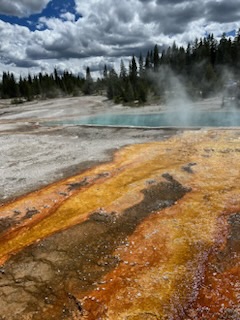
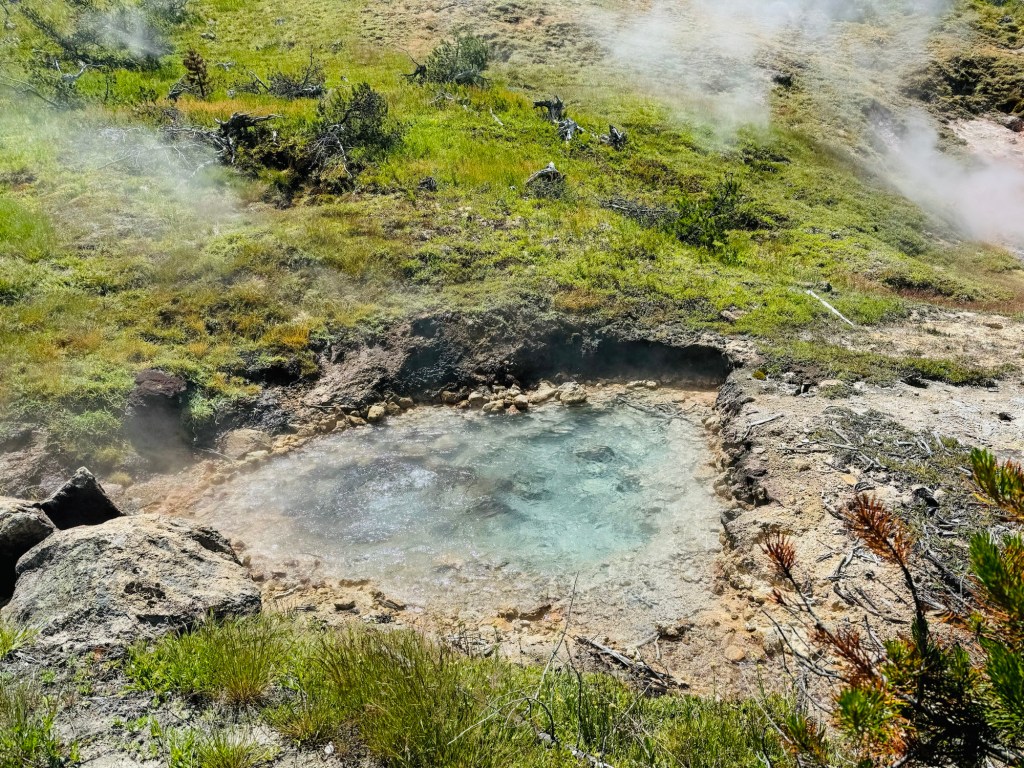
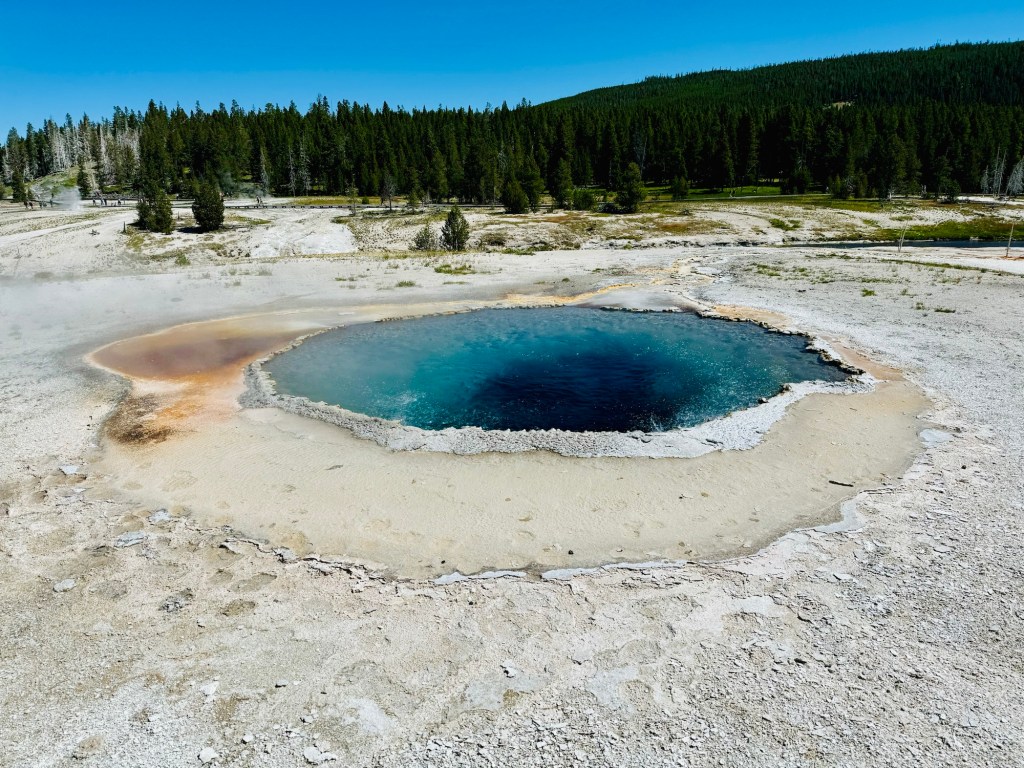
I have been reading a fascinating book titled “Death in Yellowstone.” Yellowstone National Park has the most extraordinary collection of hot springs, geysers, mudpots, and fumaroles on earth—more than 10,000 hydrothermal features—and it is absolutely amazing how many people are burned in the hot springs every year. In the park’s history, 22 people have actually died from either falling or jumping into one of the springs, but many more have been injured. While large animals might seem a more obvious hazard, the thermal waters are a far more frequent cause of death and injury. Most injuries are due to human error: people going off trail, not heeding warning signs or letting children run ahead without supervision. Some of them are caused by an illegal activity called “hot potting,” or soaking in the hot springs.

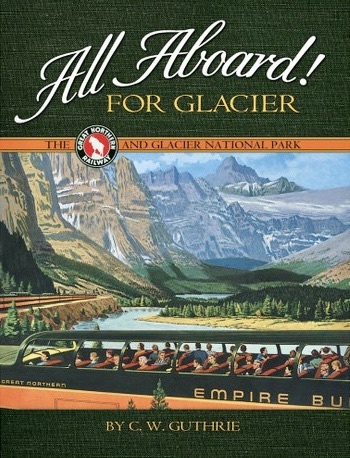
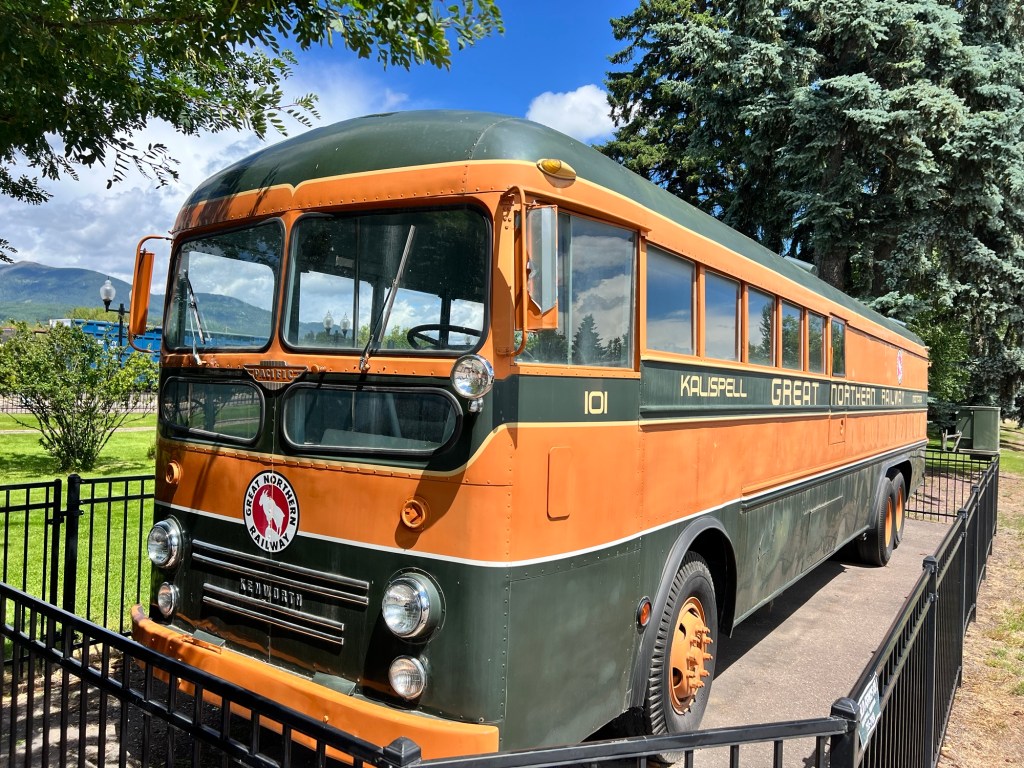
There is a cool old train station and museum in Whitefish that was built by the Great Northern Railroad in 1928. The Great Northern Railway was created in September 1889 and eventually stretched from Lake Superior at Duluth and Minneapolis/St. Paul west through North Dakota, Montana and Northern Idaho to Washington State at Everett and Seattle. The original Tudor revival station is still in use and is owned and preserved by the Stumptown Historical Society. An Amtrak passenger train stops at the station and pretty much has the same route as it did in 1889. If you are wondering where the name Stumptown came from, it was the original name for the town because so many trees had to be cleared for the train station and surrounding town, leaving stumps all over the place.

Somewhere in Montana—July 1, 2024

We have spent the last couple of days driving through Montana. Montana is huge and kind of empty. It’s the 4th largest state in size, but only the 8th most populous state. I quote these statistics to illustrate just how few and far between towns and people are in these wide open western states. You can drive for miles and miles without services, which is why it’s so convenient to travel in a vehicle like Vanna.

Last night we camped about 10 miles north of Big Sky, Montana in a little primitive campground by Swan Creek. Today we are driving around 280 miles north to stay in a campground near Swan Lake, Montana. I guess there are a lot of swans in Montana. Tomorrow, we will drive just another 50 miles and end up in Whitefish, Montana, where we will rent a VRBO for four nights. Whitefish is on the edge of Glacier National Park.

Camping is fun if you are prepared for all eventualities. Last night we ran out of water, which was not so fun. I am a big fan of a campground with hookups, wifi and cell service. Doug likes more primitive camping. So staying in a nice condo or hotel for part of the trip is how we compromise.

Today’s trip down memory lane: In the early 80’s we brought our three little girls out west in a motorhome. We borrowed a motorhome from Doug’s Dad that he had bought damaged and then “fixed up.” The brand name was Titan, but we called it the Titanic. And believe me, Titanic was an apt name.

One day we were headed to camp by some river at some god-forsaken campground in Colorado, and Doug found a “shortcut”to the campground that was off the main highway (Doug just loves shortcuts). Unfortunately, once we got on said “shortcut,” we found that the asphalt ended pretty quickly and we were left with a gravel road with a fine, white dust boiling up if you went over 10 miles per hour. Also, every part of the Titanic and every single thing in the Titanic rattled. I wanted to turn around immediately (Doug may remember this differently, but this is my story), but he hates to backtrack equally as much as he loves shortcuts. He just won’t do it. In his mind, everything loops around.

So, by the time we reached said campground (and listened to the din of a rattling rattrap for miles on end), the dust had come in through every nook and cranny of the Titanic and coated everything with a fine, white powder: our dishes, our pots and pans, our towels, our beds and bedding, our clothes. You get the picture. If you know me even a little bit, you know that I am an extremely tidy, neat person. I hate dirt. I was beside myself. As it happens there was a tiny convenience store and laundry mat on the premises. I spent the rest of the day and evening washing all of our clothes, towels and bed linens at the laundry mat (for a family of five), plus wiping down and washing every surface in the Titanic. In the meantime, Doug took the girls down to the river and they fished or skipped stones or something equally as lovely. What a day that was!

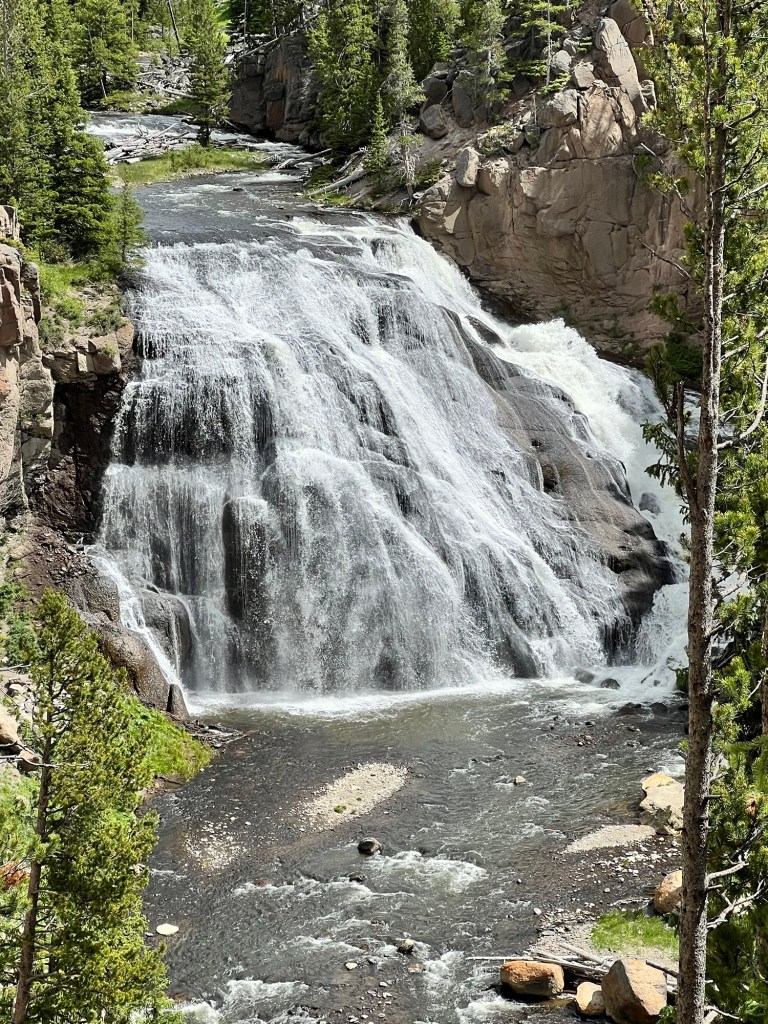
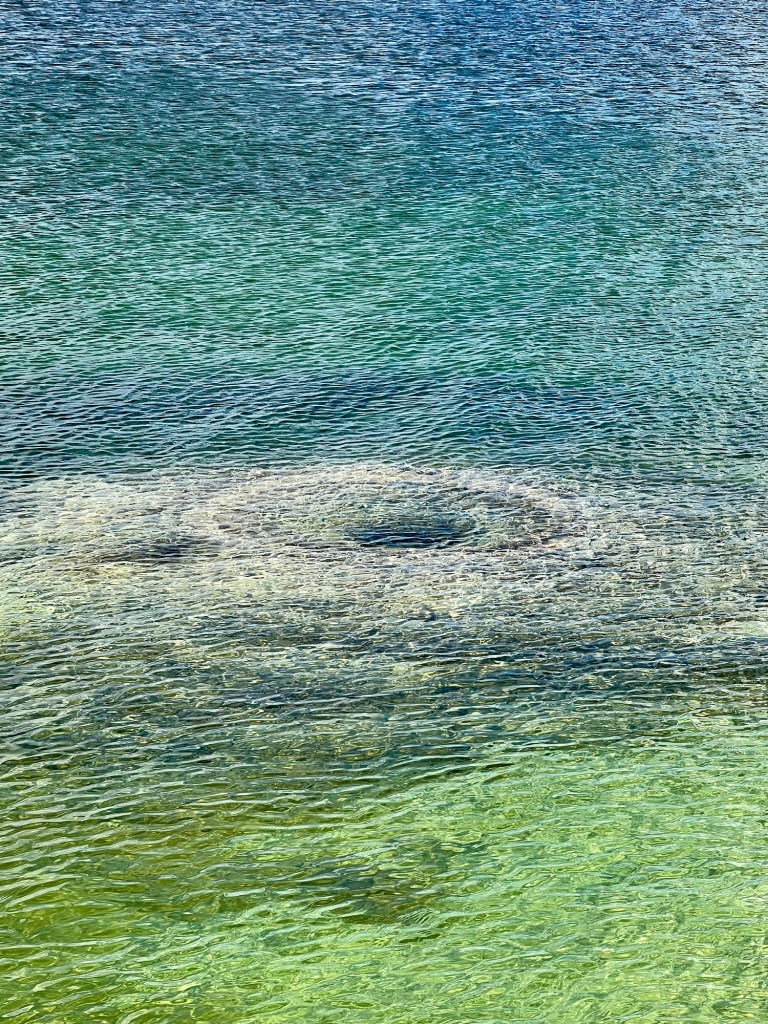
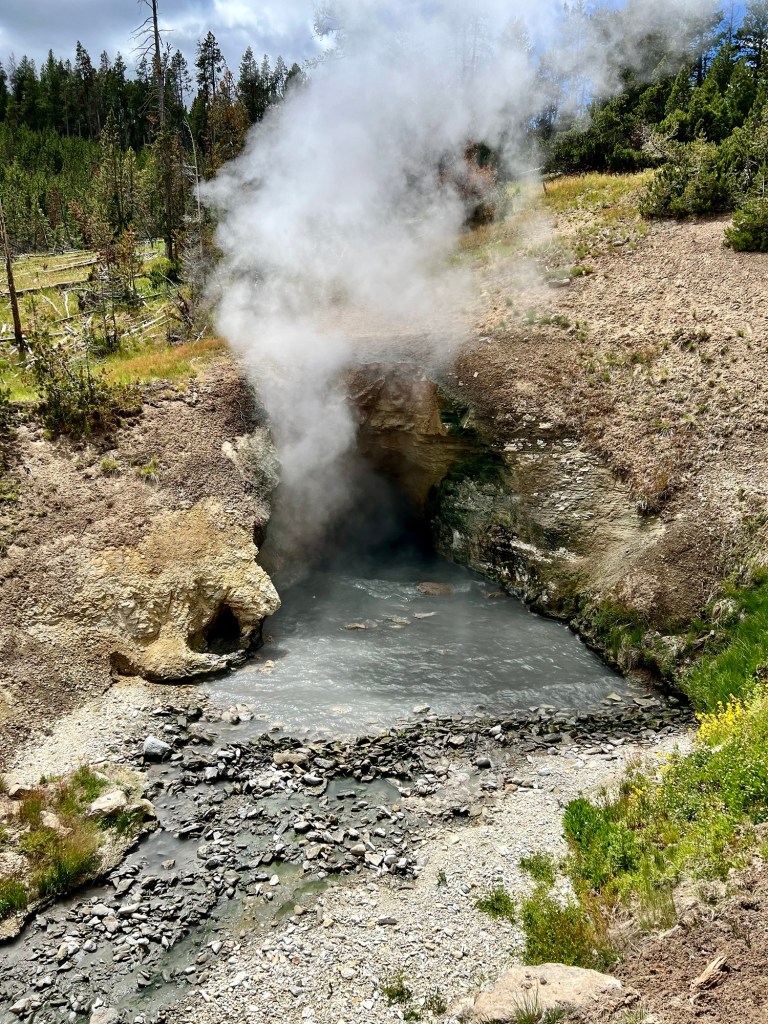
No pictures of Montana, but some more of Yellowstone:

Last Day in Yellowstone National Park—June 29, 2024

Yesterday we met our oldest granddaughter, Lillie, and drove the south loop in the park. It was great day! Lillie is here because she is working at Canyon Village in Yellowstone this summer. Every year, Yellowstone National Park Lodges hires more than 3,000 summer seasonal workers for in-park operations. Many of the seasonal workers are college students who want a summer adventure, and that’s Lillie’s story. We saw a lot of sights and took tons of cool pictures. It was certainly a day to remember.

Today we drove the north loop of the park up to Mammoth Springs and the Grand Canyon of the Yellowstone. It made me think of the time we came here in the 70’s with Doug’s parents. We had never seen anything like Yellowstone and wanted to stop at every single place and take a million pictures. About the third day, Doug’s mother, Florence, was fed up with our constant stops. She said, “Do we have to stop again? If you’ve seen one geyser, you’ve seen them all!” I really miss her. She was just so real and so, so funny. And after the last couple of days, I see what she was saying. There are more than 500 geysers in Yellowstone. This time we probably saw about 50 of them.

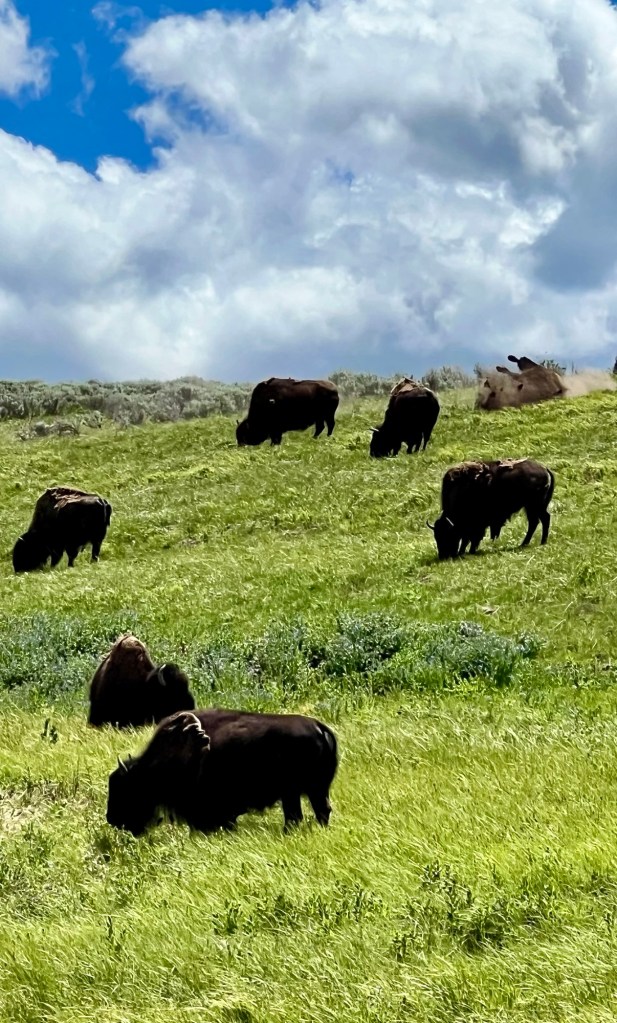
We have seen both bison and bears today, and people are nuts. They walk right up to wild animals like they are in a petting zoo. If there’s a bear close to the road, there is always a park ranger there making sure everyone is keeping their distance. But if it is a bison, there are no rangers to police the situation and people are out of control. Made me wonder how many people have been trampled or gored by bison? Apparently, it happens fairly often. Bison have injured more people in Yellowstone than any other animal, according to park records. On average, there are one to to two reported incidents of of bison injuring visitors annually. However, bison at the park have not killed any people in the last five years. Good to know!

I am kind of at the end of my rope with the large summer crowds at Yellowstone. It’s not the screaming children or the people who don’t give you even half the walkway or sidewalk. It’s not even the people who stand smack dab in the middle of a busy sidewalk looking at their phone. I reached my limit tonight at Lake Yellowstone Lodge in the large lobby looking out over gorgeous Lake Yellowstone listening to a string quartet that was playing the most beautiful, heart-rending music ever. The people at the table next to us were playing some stupid card game and were whooping and hollering. They didn’t even see the view or hear the music. They didn’t care about other people who were trying to enjoy both. That bugged me to no end.

Lake Yellowstone from West Thumb

Yellowstone National Park, Old Faithful Inn—June 27th, 2024

Yesterday in Jackson Hole we had a clean-up and maintenance day. Doug washed Vanna, cleaned up inside and filled her up with all necessary fuels and fluids: propane, diesel, oil and DEF (Diesel Exhaust Fluid). Vanna, as we have learned, is quite high maintenance.

We enjoyed our stay in Jackson Hole, but this morning it was time to move on down the road. We reclaimed Vanna from Judy’s house and headed out to the Old Faithful Inn in Yellowstone, which is about 97 miles up the road. By the way, I have always thought that Jackson Hole was the name of the town, but the town is actually just named Jackson. Jackson Hole is the entire valley and wilderness recreation area.

Doug’s Bike Ride—Last Day in Jackson Hole

I remembered today that JoJo, our Snake River raft pilot/guide, told us that Canada geese aren’t called Canadian geese, but rather Canada geese. (I already knew this, having done earlier research on Canada geese. Not really. I just heard it somewhere.) He also said that they aren’t named after the country Canada, but rather were named by John Canada, an ornithologist. I did not contradict JoJo, but at the time his story seemed a bit suspect. So today I did some research and could not find any ornithologist ever named John Canada. Maybe JoJo needs to check his sources.

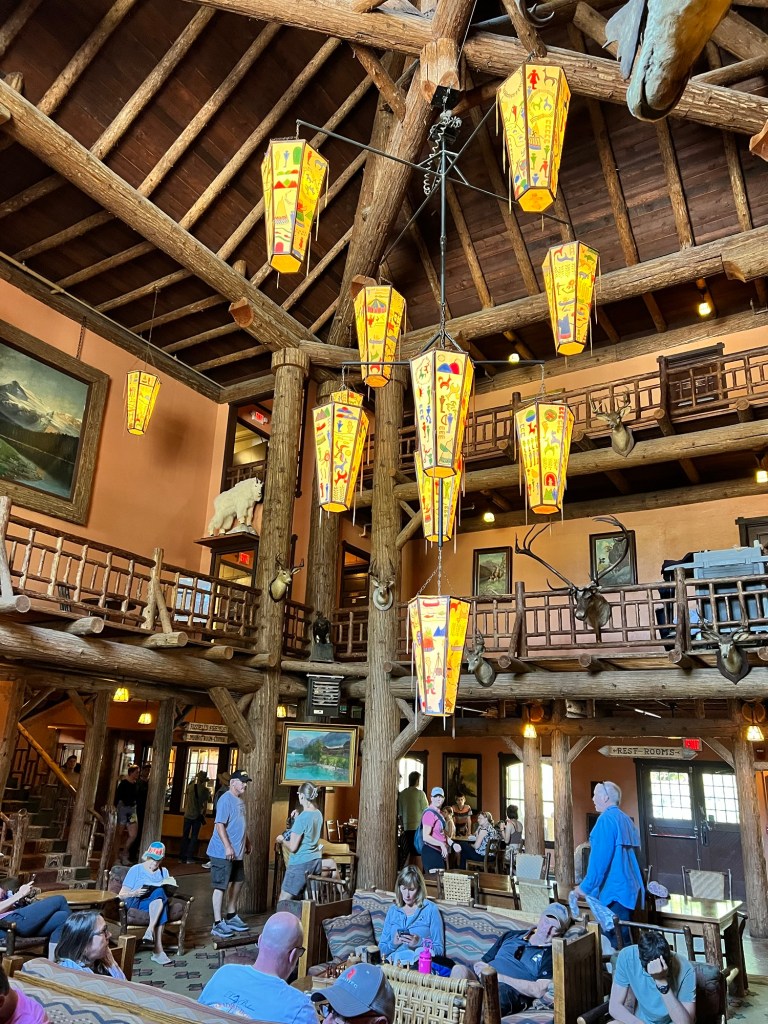
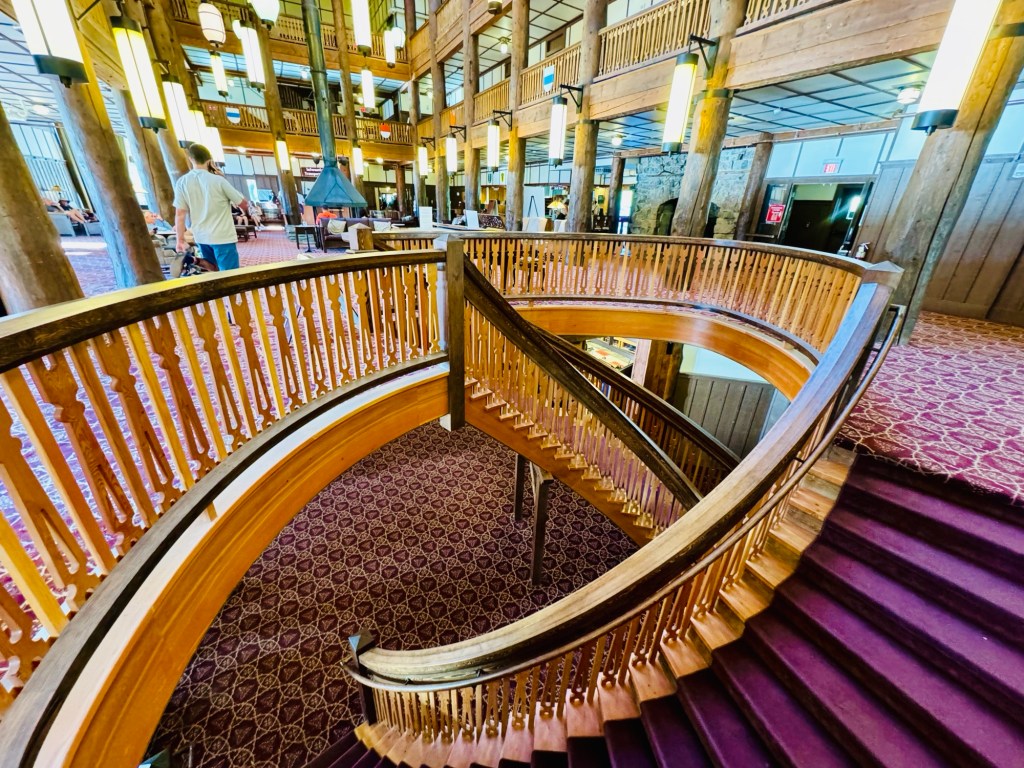
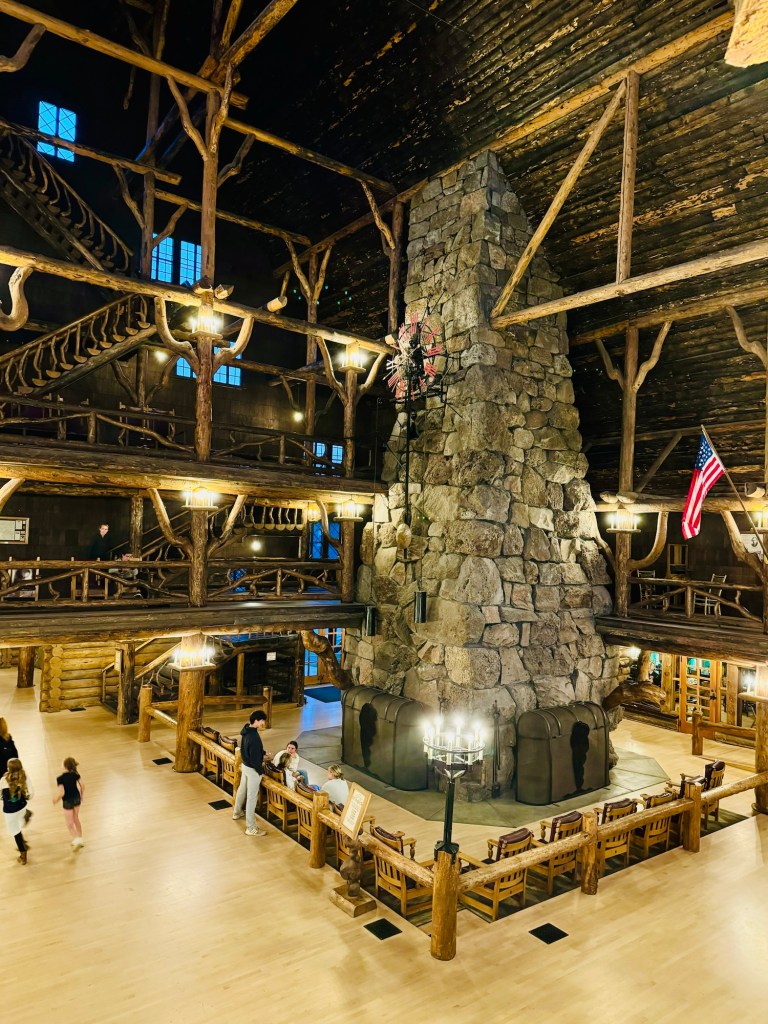
For the next three nights we are staying at the Old Faithful Inn. The Inn opened in the spring of 1904, and boasted the modern conveniences of electric lights and steam heat (the radiators are still here. We have one in our room). It was constructed using local materials of lodgepole pine and rhyolite stone, and is the largest log hotel in the world. In a 2007 survey by the American Institute of Architects, it was voted number 36 out of 150 favorite buildings in America. The lobby is 3 1/2 stories with balconies all the way around on every floor, so it’s a great place to hang out. There is no air conditioning, no television and no Wi-Fi.

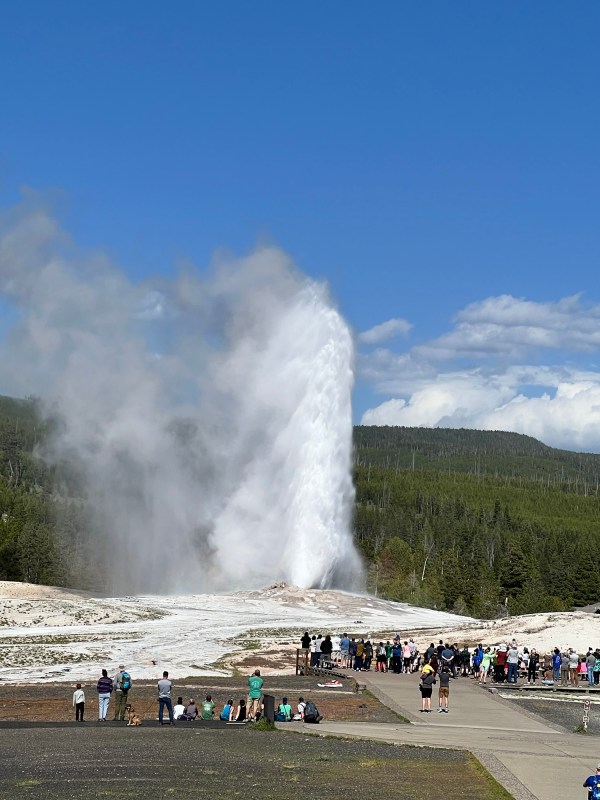
Since we are here, we of course were compelled to watch Old Faithful erupt this evening at 5 PM. An Old Faithful eruption lasts 1.5 to 5 minutes and reaches a height of 90-184 feet. The period of time between Old Faithful’s eruptions ranges from 35 to 120 minutes, though the average is 92 minutes. So, people stand around for an hour or so waiting on it and then it’s very short-lived. It is pretty amazing, though. What Doug and I both thought of when we were watching it was what happened when we brought our little girls here in the early 80’s. As it was erupting, a streaker (a tall, skinny young man with shaggy blonde hair) raced across the front of the benches where we were sitting. Streakers were a bit of a thing then (Google it if you are too young to remember them). We were kind of mortified that our little girls witnessed such a thing, but I guess it didn’t scar them for life. A park ranger was following close on the streaker’s (bare) tail, but I’m not sure if the ranger ever caught up with him.
Jackson Hole, Wyoming: The Snake River—June 25, 2024

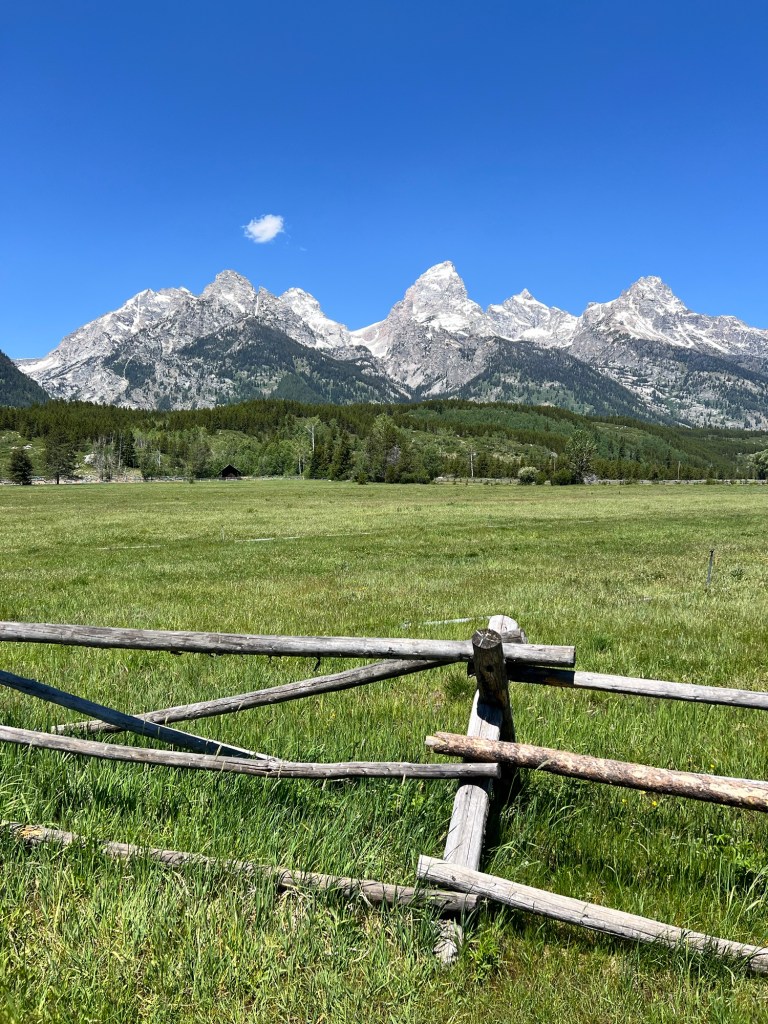
Yesterday we drove through Grand Teton National Park and then stopped for dinner at Jackson Lake Lodge. We both remembered the Lodge from years ago when we came through here. It was built in 1955 by John D. Rockefeller Jr., and at the time, was more modern than other park lodges so was highly criticized for its lack of rusticity and “lodginess.” However, the architecture has held up over time because it’s such an eclectic mix of wood, stone and concrete and seems to fit in so well with the landscape. The grand lobby is stunning.

Jackson Lake Lodge with View of Mt Moran

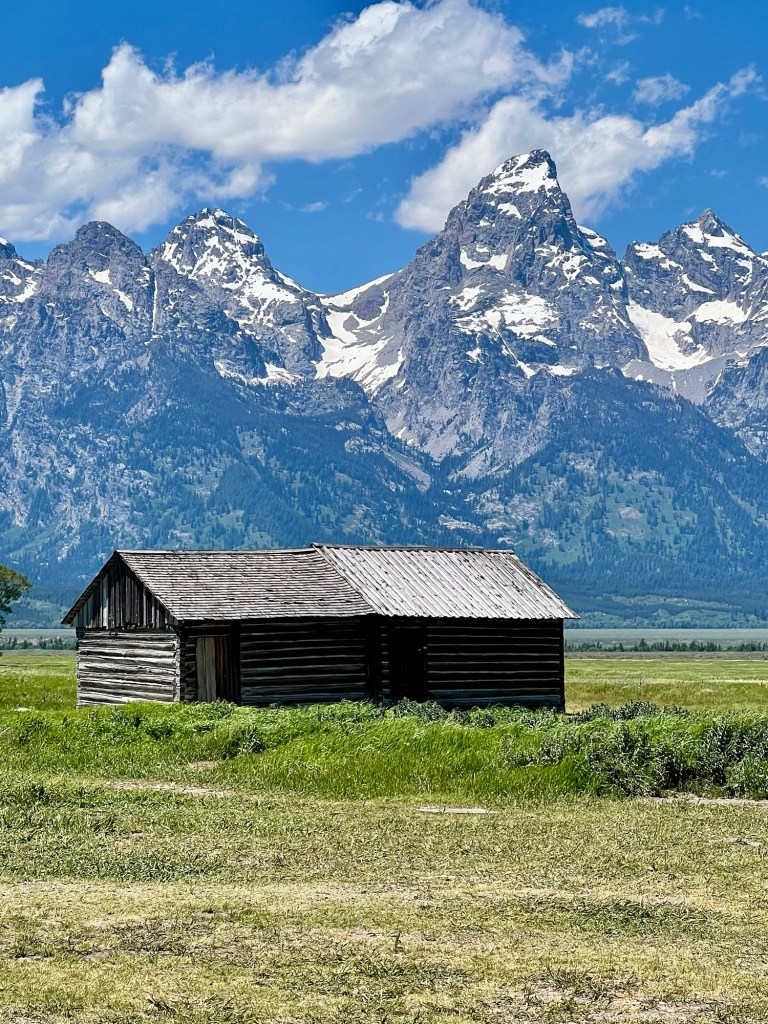
We also visited Mormon Row, which is an historic Mormon settlement at the southeast corner of the park. This settlement was largely constructed starting in the late 1890’s and many of the buildings are still standing. If you think about settling in Wyoming in the late 1890’s, it had to be really tough. The weather was brutal and there was no reliable water source, so the settlers grew crops using irrigation. Between 1896 and 1937, they dug ditches by hand and with teams of horses, building an intricate network of levees and dikes to funnel water from central ditches to their fields. In the winter, the ditches froze.

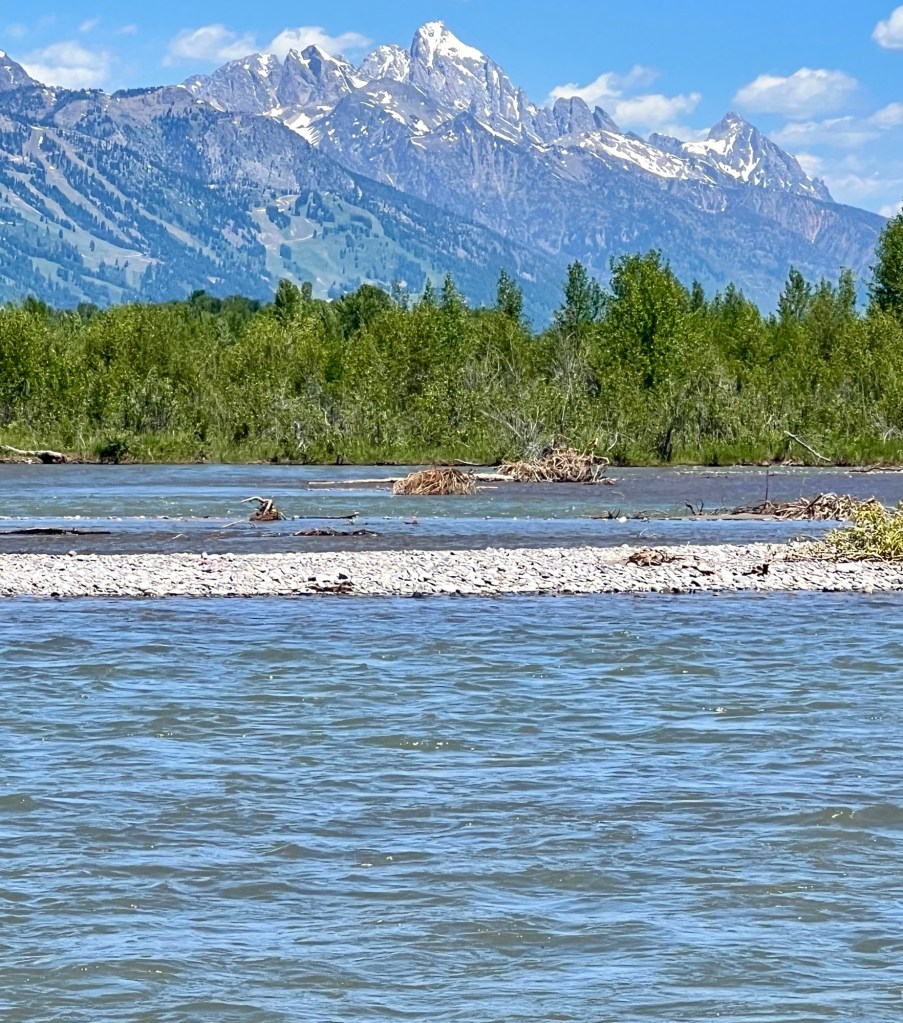
Today we went on yet another trip down memory lane, a raft trip down the Snake River. It was a raft with seats with backs, so much more comfortable than the raft trip we took with our three little girls back in 1982, where we all simply sat on the sides of the raft. I can’t remember a lot of details about that raft trip because it was 42 years ago. But I remember it fondly and I do have pictures at home of all of us on the raft that I will try to remember to post as a follow-up. Makes me wonder where all of those years went.

By the way, we were in a group with three rafts, eight people per raft. We realized after we got in our raft that they had grouped all of the senior citizens in our boat. You never think of yourself as old, but other people must notice.

Today our guide/pilot on the raft trip, Jojo, told us that we were going by Harrison Ford’s ranch, which is about 800 acres. He supposedly lives here at least part of the time. Not many people live full time in Wyoming—although it’s the 9th largest state, it’s the 50th state in population. It’s like everyone who first came here decided Wyoming was too cold and too harsh topographically and moved on to California.

Oh, and another thing Jojo mentioned was Grizzly 399. She is famous. She was born in 1996 and inhabits Grand Teton National Park. She is followed by as many as 40 wildlife photographers, has her own Facebook, Twitter and Instagram accounts. Well, a human set them up, but anyway. Her claim to fame is bearing 22 cubs and grandcubs, which is quite an accomplishment in the Grizzly world. She also often has triplets rather than twins. I am kind of sad that she has to be called 399 rather than Iris or Mary Ellen. We didn’t see her, of course, but I found a picture. She has apparently also had quadruplets.

Jackson Hole, Wyoming—June 23, 2024

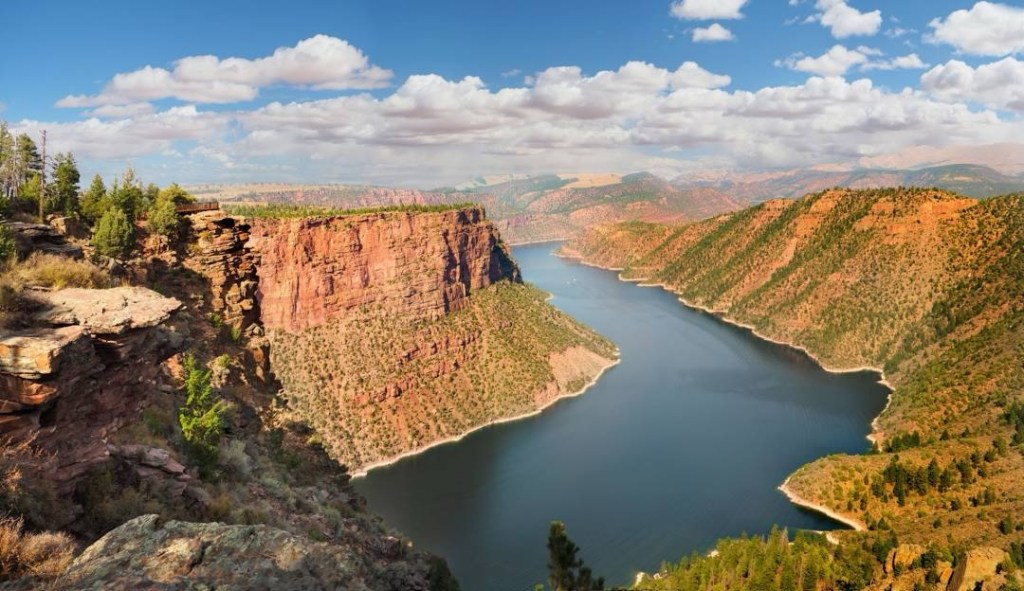
Yesterday we drove from Colorado National Monument about 170 miles northwest to Dutch John, Utah, where we camped in Mustang Ridge Campground. Mustang Ridge is on a high desert bluff above Flaming Gorge Reservoir. If you decide to peruse a map of Utah, Flaming Gorge Reservoir is at the far northeastern corner. We did take some pictures before we left Colorado National Monument yesterday morning:

Flaming Gorge in Utah

Today we drove to Jackson Hole where we have a VRBO condo rented for the next four nights. Unfortunately, when we arrived we found out the parking is very tight and oversized vehicles are not allowed (it was probably in the fine print). There was absolutely no place to park. Called the rental company and the guy who answered had zero idea of what we should do. Panic time. So, since we couldn’t park we headed back out the way we came.

As we were driving down the street we saw a woman in front of her house getting ready to take her dog for a walk. It was a cute dog—a springer spaniel, I think? All chocolate and vanilla with liquid brown eyes. Doug said, “I’m going to get out and ask her if we can offer to pay to leave this albatross in her driveway” (he did not say albatross, but that’s the word that came to my mind). I screeched, “Are you crazy? She isn’t going to let us do that!” So, I sat in the car pretending I was invisible while Doug got out and asked her. Her name was Judy and she has an interior design firm downtown. Judy said, “Sure!” She even felt sorry for us. I finally had to get out and overcome my feelings of complete and utter embarrassment at the idea of asking a complete stranger if we could park a huge white van in her driveway for four days. Heavens!

Judy was nice enough to offer to drive us downtown or anywhere we needed to go, but we decided that she had already done quite enough. So, we drove Vanna to airport, where we rented a Subaru Forester. Then we drove back to Judy’s house and parked Vanna in the big turn-around. And there Vanna sits for the next four nights while we have a lightened load with the Forester. I was completely done in after all of that, so I took a very long shower, washed and dried my hair, took two Tylenol and had to lie down for a bit.

Today driving up through Wyoming we saw several animal crossings. They are like a bridge or overpass over the highway, but they are for animals, not cars. To entice the animals to use the bridge (path?) they lay sod, plant greenery and fence the sides. On the road we were on every year thousands of Pronghorn and other animals migrate north and south a distance of about 150 miles between Grand Teton National Park and upper Green River Basin. There are animal crossings like this in several states. I didn’t know there was such a thing. Also, I have to wonder how the animals find the crossings?

So Vanna is safe and we took the Forester to town for dinner. (I’m not sure why my hand is in a fist looking like I am about to punch Doug).

Before I forget, if you are having trouble commenting, there’s place in the email you receive that tells you can reply to the email. If you do so, it both comes to me and it posts on the blog.

June 21, 2024–Colorado National Monument, Grand Junction, Colorado

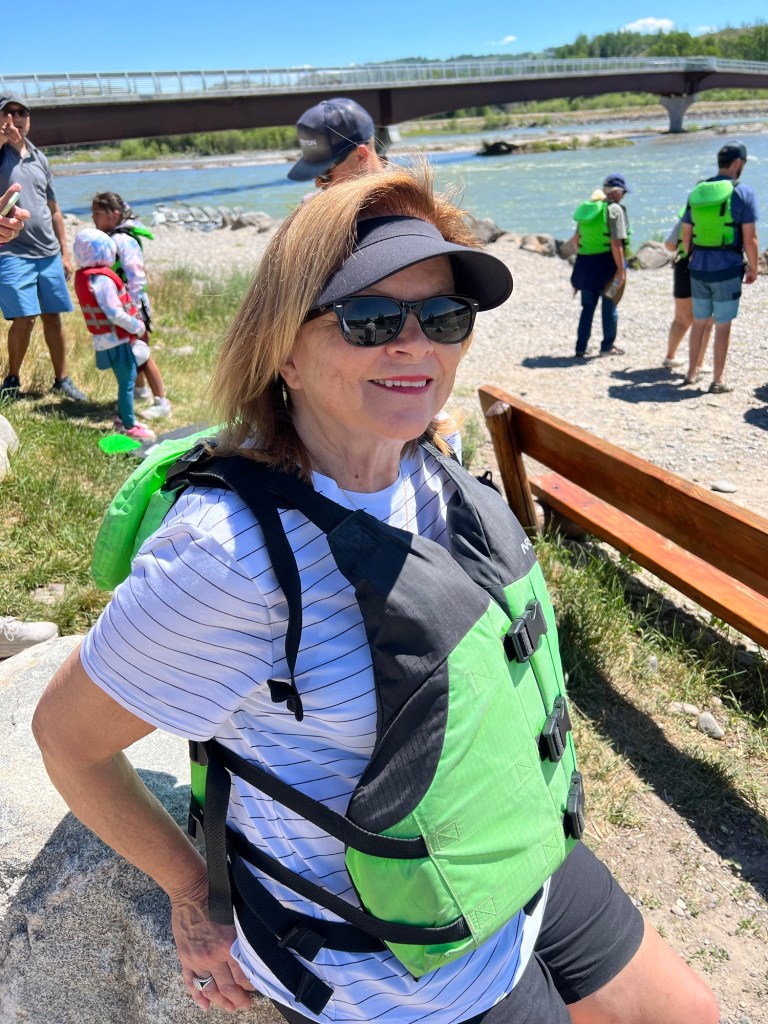
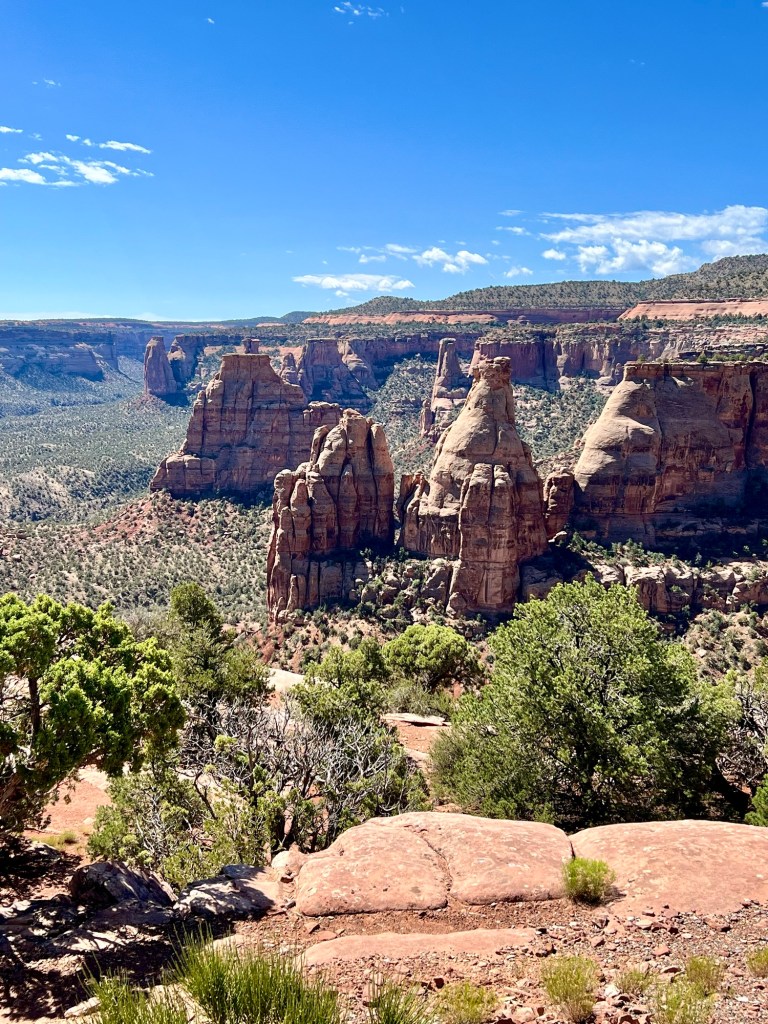
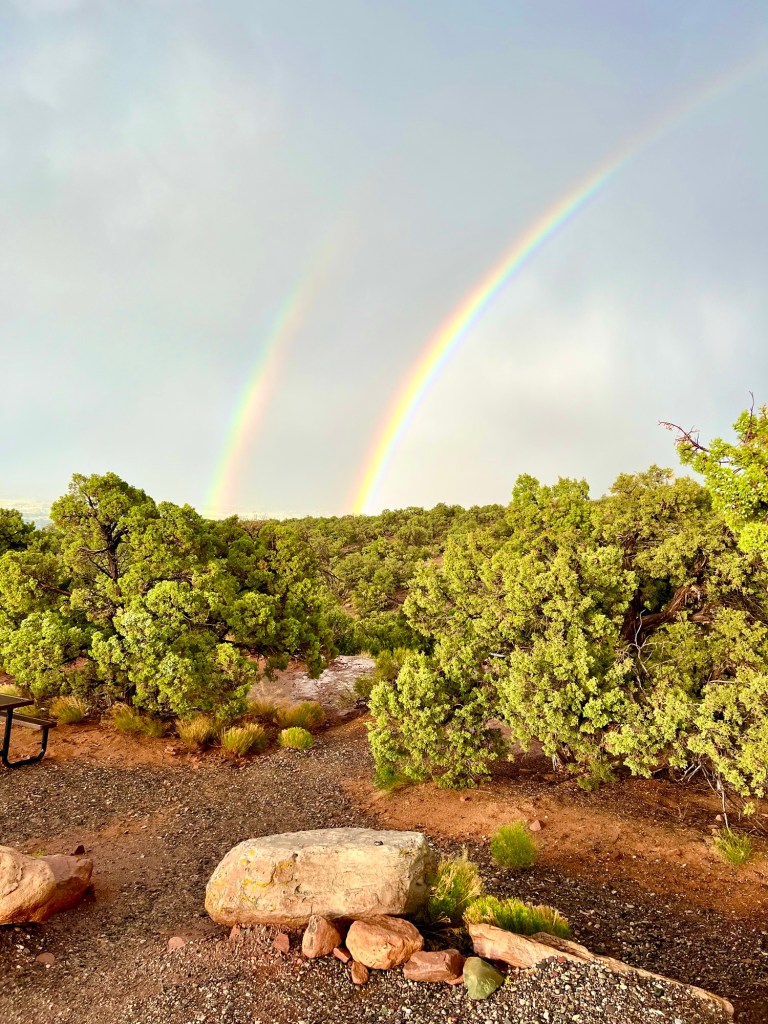
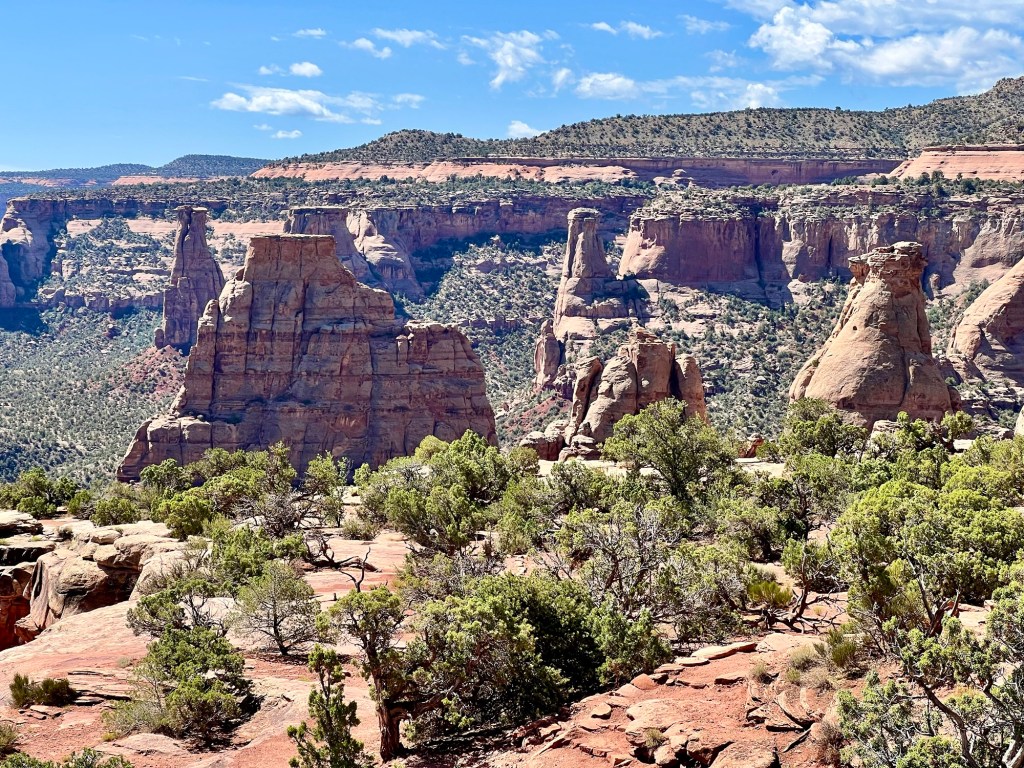
This morning we made the 180 mile drive from Durango to Grand Junction, where we are camping for the night at Saddlehorn Campground in Colorado National Monument. The area is hard to explain, but it is high desert and on a winding rim road in a series of canyons. Quite stunning. Pictures to follow (full disclosure: it is pouring down rain here, so I used a couple of stock pictures for effect). Also, we got all of our relaxation gear out just long enough to take the picture of me relaxing. After five minutes, we looked at the radar and rushed to put everything up. Not all that relaxing, after all.

On our way up we drove through Silverton and on to Ouray via the Million Dollar Highway. Why is it called the Million Dollar Highway? Well, one of the legends is that the road was built using a million dollars worth of gold and silver, while another claims the nickname originates from an exhausted traveler who proclaimed: “I would not travel that road again for a million dollars!” Either way, the highway was completed in 1883, and it is notorious for its hair-raising twists and turns, narrow lanes, and steep drop-offs. The scenery is stunning.

We ate lunch in Ouray at another off the grid place:

I know this is a travel blog, but we have traveled in the west extensively over the years and so many places evoke memories of past trips. So, here is today’s trip down memory lane:

About 25 years ago we met my Mom and Dad in Ouray to camp for a few days. They pulled a travel trailer out here from Missouri and we flew into Denver and rented an SUV. We were supposed to tent camp, but when we arrived in Ouray it was pouring down rain. So we had to go to plan B, which was renting a crummy hotel room (Ouray is not known for its luxury hotels). The weather wasn’t that great for the entire trip, so we never did set up that tent.

When we woke on the third day of our trip, it was a gorgeous day: bright and sunny, and crystal clear—the kind of day you only get in the low humidity, brilliantly lit west. That morning all four of us set out on a trip to Silverton on the Million Dollar Highway. It’s about 25 miles long and we had only gone about 3 miles when Mom started hyperventilating. She was petrified on that road. Doug and I were at a loss, but Dad said to Doug, “Let’s take her back.” She was happy to go back, so we dropped her off (not on the side of the road—we took her back to their campsite) and Doug, Daddy and I drove on to Silverton. It wasn’t that we didn’t want Mom there (well, maybe a little because she was a pain about heights), but it was such a nice day. We took pictures of the gorgeous scenery, we shopped for a souvenir for Mom and we had lunch and excellent pie at a little place that claimed to have the “best pie in town” (I think it was the only pie in town). By the time we got back to Ouray it had started to snow. But that day up to Silverton and back stands out in my mind as one day that could not have been more perfect in any way.

By the way, the snow was pretty deep, so the next couple of days the four of us spent hours and hours playing hand after hand of Hearts on a little shaky round dining table in our crummy hotel room. Mom was ruthless at card games, so she kicked our butts repeatedly. Maybe she was paying us back for ditching her.

Durango, Colorado—June 20, 2024

We left Tucumcari, New Mexico yesterday morning and drove 160 miles northwest to the Agua Piedra State Park near Vadito, New Mexico, where we spent the night camping. It was only about 25 miles south of Taos, but it felt like it was pretty much in the middle of nowhere. We were “boon-docking,” which is what seasoned RV aficionados call it when they are camping off the grid without water or electricity hookups. Actually, it sounds a lot more adventurous than it really is, because you still have a water tank, heat and air conditioning, and a generator for electric. I think RV people might be just a bit spoiled. The only thing that really bugged me was there was no Wi-Fi or cell service. Now that’s boon-docking.

Vanna at Agua Piedra

When you camp in a state or national park, there is always a “Campground Host” near the entrance of every campground. (Just to be clear, they aren’t just standing there at the entrance, they are camped in a spot right by the entrance.). These are people who volunteer to camp in their own RV for the entire season in a designated campground and make sure the campers are paying for their campsites, and are not having wild parties or burning down the woods, etc. They also clean the bathrooms and campsites after use and so forth. In exchange for their volunteer work, they receive a free campsite, Wi-Fi, and water and electricity for the season. Most of them are retired people who like to travel and don’t mind a nomadic lifestyle. For instance, at Agua Piedra, the host, Carol, came by to check on us. Carol and her husband are originally from Atlanta. They sold their home and all of the contents and now live strictly in their RV. Yikes!

Since I was desperate to talk to someone, I quizzed Carol about where they have traveled and what kind of stuff they do on the road. She said that they spend summers out here in the mountains in the west where it’s cool, then go back south in the winters to visit family. When they drive back and forth, they stay at Love’s Travel Centers because, according to Carol, the truckers all stay there and it’s a safe environment. The showers are good too. I looked it up, and Love’s is quite a thing. For instance, the Cordele, Georgia Love’s has more than 40 RV sites, a splash pad, pavilions, a pickle ball court, fire pits, and more. Love’s has 65 locations across the US that cater to RV’s. Who knew? I would have liked to chat with Carol more, but she had important camp host duties to tend to.

Today we headed northwest once again to make the 160 mile trek to Durango, Colorado. On the way here we stopped at the Rio Grande Gorge State Park near Taos. I’m not sure we even knew it was along our route, but it looked cool so we stopped for bit.

So far, we have been eating at local restaurants rather than chain restaurants and it has been kind of fun. Some of the places look a bit sketchy from the outside, but if you are driving through a small town and see several cars at a place, those places tend to be one of the local hangouts. So far, we have eaten at The Arcade in Memphis (reportedly where Elvis ate), Del’s Restaurant and Kix on 66 in Tucumcari, and both last and least, the Elk Horn Cafe in Chama, New Mexico. The Elk Horn could use some paint, but the food was excellent. In full disclosure, I obviously did not take all of the following pictures, particularly the one with sepia color and deckled edges.

Tonight we are in a Vanna down by the river in Durango.

Westward Ho! Tucumcari, New Mexico—June 18, 2024

Once again, it is time for me to write my almost close to semi-famous travel blog about our latest travel adventures. Ever since we bought a Leisure Travel Van last fall, Doug has been busy planning a two part trip out west for this summer and fall. We left Georgia two days ago and will eventually end up in Missoula, Montana on July 11th, where we will store the van and fly back to Atlanta. In mid September we will fly back to Missoula, pick up the van, see more sights and then drive back to Georgia.

By the way, our travel van is white, so we recently christened it (her) “Vanna White.” We are calling her Vanna for short.

Doug With Vanna Last Fall

At first I thought it would be too difficult to write a blog about a road trip across America. I mean road trips can be a bit dull, right? I was having trouble feeling inspired. But then I thought of Bill Bryson’s “The Lost Continent: Travels Across Small-Town America,” Peter Jenkins’s “Walk Across America,” and William Least Heat Moon’s “Blue Highways.” They all wrote in an interesting and entertaining manner about traveling across America. So why not me? (Not that I’m putting myself in their illustrious company even for one minute.). So, here we go.

The last few days we have made the long, hot trip across Georgia, Alabama, the upper corner of Mississippi, the extreme southwest corner of Tennessee, then across Arkansas and Texas and just a bit into New Mexico.

On day one we had barely made it out of Georgia when we made our first stop: Buc-ee’s Travel Center in Leeds, Alabama. If you aren’t familiar with Buc-ee’s, you have missed out. Buc-ee’s holds the record for the world’s largest travel store (Sevierville, TN), the world’s longest car wash, the world’s cleanest restrooms, and the world’s most gas pumps at one location. Like 120 gas pumps. They also have at least 20 varieties of beef jerky. I’m not sure what the draw is, but the place was packed.

We spent our first night in Memphis in a hotel right across the street from the Lorraine Motel, where Martin Luther King, Jr was assassinated on April 4th, 1968, just a day after delivering his famous “I’ve Been to the Mountaintop” speech at the Mason Temple Church of Christ. In 1991 the Lorraine was converted into the National Civil Rights Museum. We arrived after hours, so missed the museum tour.

Last night we stayed in Yukon, Oklahoma in a hotel on Garth Brooks Blvd. Garth was born in Tulsa, but was raised in Yukon. I’m not much of a Garth Brooks fan, but driving across the south and southwest does evoke a lot of country music titles that keep running through my head as we pass through: “Sweet Home Alabama,” “Louisiana Woman, Mississippi Man,” “Walking in Memphis,” “Little Rock,” “Amarillo by Morning,” and on and on. All one giant ear worm.

Tonight we are in Tucumcari (pronounced “to come carry”), New Mexico, a tiny little town about 100 miles due west of Amarillo, Texas. Old U.S. Route 66 runs through the heart of Tucumcari via Route 66 Boulevard, and it still has elements of the old west and Route 66 vibes. It is flat, dry and was a scorching 98 degrees when we pulled in.

Leaving Argentina–December 7, 2023

Last night at 9 PM we flew out of Buenos Aires. Our flight just now landed in Atlanta at 4:39 AM this morning and now we are sitting on the tarmac waiting for customs to open at 5:15. A month is a long time to be gone, so it will be nice to get home. This will be my last installment for this trip, so I hope you have enjoyed my slog, I mean blog. And it’s not really a slog, but it is hard to write some days.

We had to leave the ship first thing yesterday morning, so out of desperation we took another bus tour just to kill some time. I’m not sure we were really up for it, but it beat the alternative of sitting in a holding room at the Michelangelo Restaurant for hours on end. I talked to some people last night at the airport who did that and they said it was crowded and miserable. It was raining off and on all day, so I feel a bit bedraggled. Not a good feeling when you are on a 10 hour flight.

Our tour was called something about barrios, but I really didn’t get why. Barrios means neighborhoods, so I guess it was just a fancy name for driving aimlessly around the city. Actually, we stopped at a cafe, a market, a restaurant and a book store. I wasn’t sure why we stopped at both a cafe and a restaurant. The cafe served rolls and coffee and the restaurant was another huge buffet with a lot of meat (again). I am over buffets, so I just had some desert. In the La Boca Barrio we saw some more tango dancers in front of a restaurant, so I guess that’s a big thing here.

It also seemed odd to stop at a book store, but it wasn’t just any old book store. It was actually an old theater converted into a bookstore called El Ateneo Grand Splendid, and is quite famous. National Geographic named it the most beautiful bookstore in the world in 2019, and I must say I have never been in such an elegant bookstore. It was built in 1919 with three ornately decorated balconies hugging the back wall of a 1,050-seat auditorium. It’s decked out with gilded statues, marble columns and a ceiling mural celebrating the end of World War I.

We met a nice 84 year old woman today named Marge who came on this cruise by herself. I thought it was pretty amazing that she undertook this type of a trip alone. We talked at lunch and she said she wanted to see the world while she is still able. You have to admire her for that.

The subjects we heard the most about in Buenos Aires on our tours were regarding soccer, inflation, the new president and Eva Peron. They are fanatics about soccer, not happy with inflation, and cautiously optimistic about the new president doing something about the inflation.

I thought the most interesting part of their spiels was about Eva Peron. I am oversimplifying the story, but Eva was quite popular with the people because she helped the poor. So when she died at the age of 33 on July 26, 1952 of cervical cancer, there was major mourning for her loss across Argentina. Juan Peron had Eva’s body embalmed and her blood replaced with glycerine so it could be displayed in public. It was displayed publicly for two years and then Juan Peron was overthrown in a military coup. He fled the country and was unable to secure the body. The new authorities removed Evita’s body from display, and its whereabouts was a mystery for 16 years. The military regime didn’t like it that Eva was so popular, so they banned Peronism and no one was allowed to even speak her name. In 1971, a new government discovered that Evita’s body was buried in a crypt in Milan, Italy, under the name “María Maggi.” It’s a complicated story, but her body was finally returned to Argentina in 1973. She was at last buried in her family’s crypt in 1976, 24 years after she died. There’s more to the story, but as our guide Pablo said a couple of days ago, it’s pretty creepy.

Blog at WordPress.com.

Up ↑