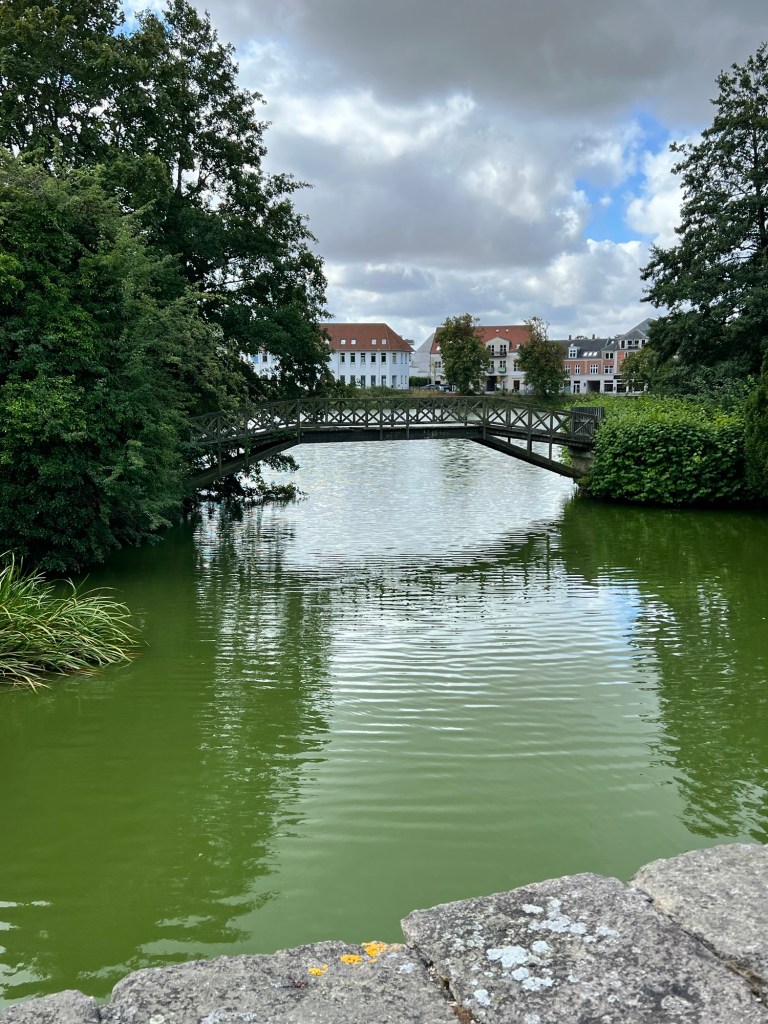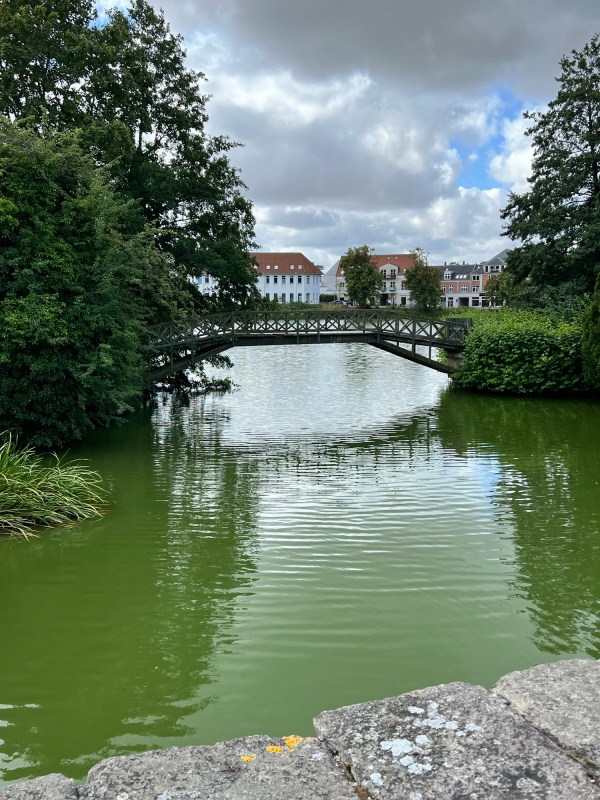
August 18, 2026–Scandinavian Serenade, Part Five:  Stockholm, Sweden to Copenhagen, Denmark

We spent Friday and Saturday in Stockholm, then yesterday in Copenhagen.  Today we are at the airport in Copenhagen, waiting to board our flight to Amsterdam, where we will board another flight directly to Atlanta.

I knew very little about Stockholm except for the term Stockholm Syndrome and that the pop group ABBA is from Stockholm. If you don’t remember where the term Stockholm Syndrome came from, in 1973 a convict on parole named Olsson walked into the Kreditbanken, the largest bank in Stockholm.  He wore a disguise, pulled out a submachine gun, and yelled the phrase “The party begins!” in a fake American accent before taking four bank employees hostage and triggering a six-day standoff.   Apparently, during the six days, the hostages developed a bond with their captor and refused to cooperate with the police.  Ergo, the term Stockholm syndrome for brainwashed captives.

There is an ABBA Museum in Stockholm, but I’m not sure I’m that big of a fan. But we did get our ABBA fix on Friday night because there was a barbecue and ABBA fest on the ship. Even John and Judith, the staid couple from Lincolnshire, England, were dancing.

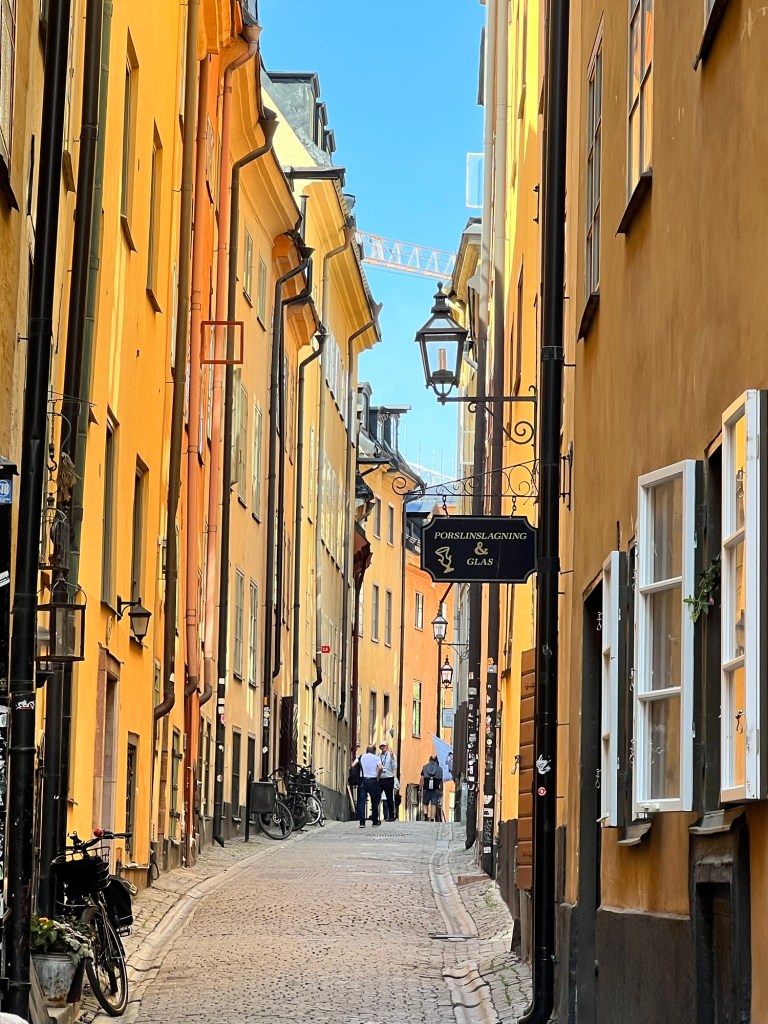
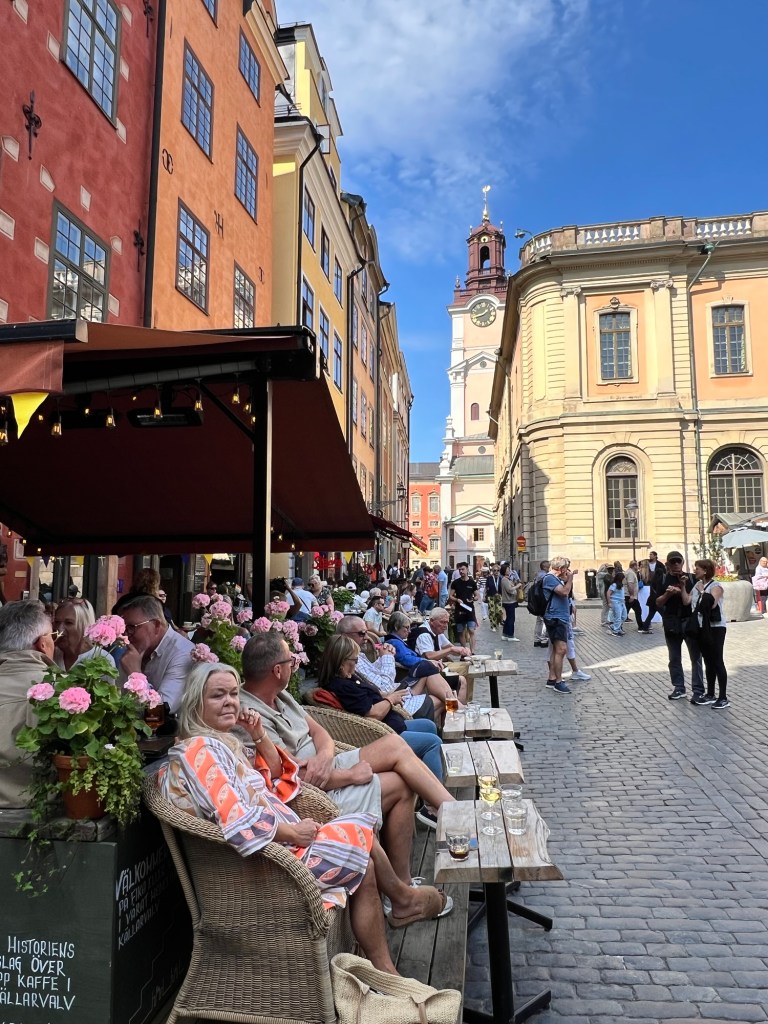
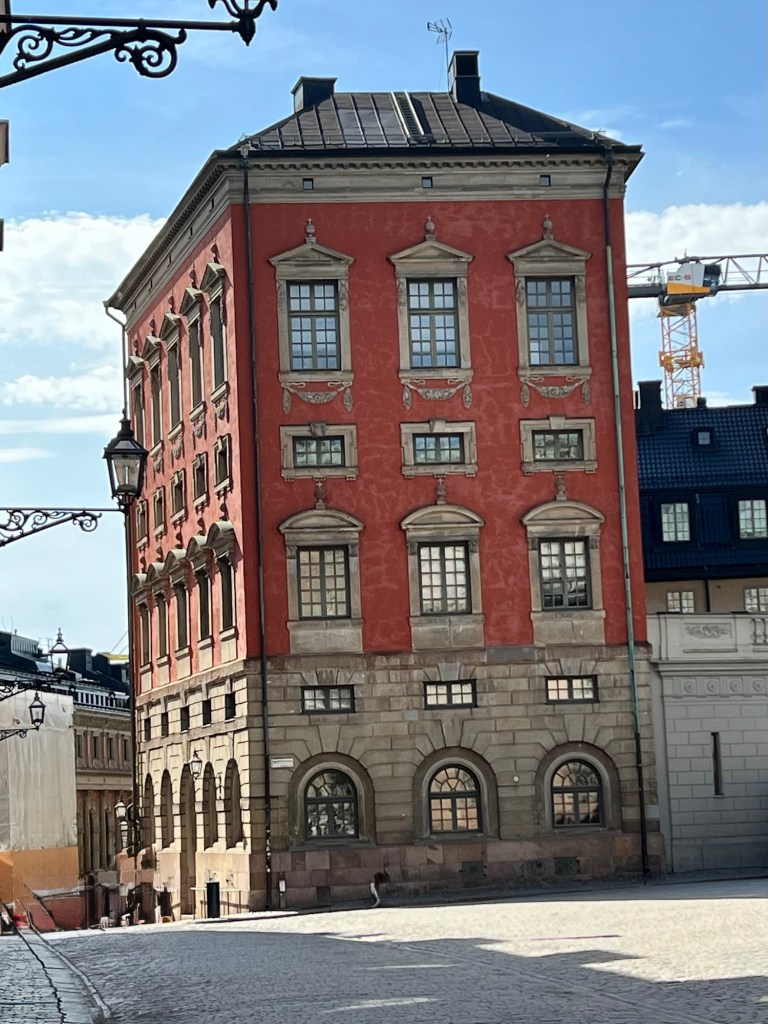
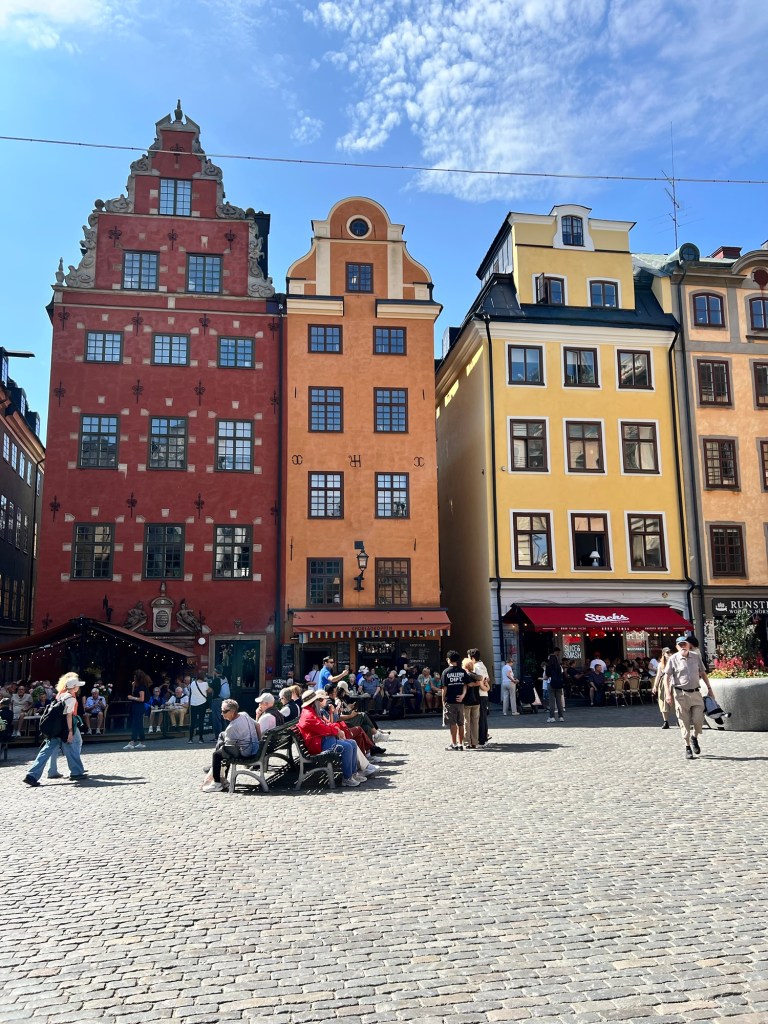
Actually, Stockholm is a surprisingly lovely city on the Baltic Sea built across fourteen islands connected by fifty-seven bridges.  Stockholm’s medieval center, the Old Town or Gamla Stan, was built on the central island Stadsholmen from the mid-13th century onward.  On Friday we took a tour to both the Old Town and the Royal Palace, the King of Sweden’s official residence.  
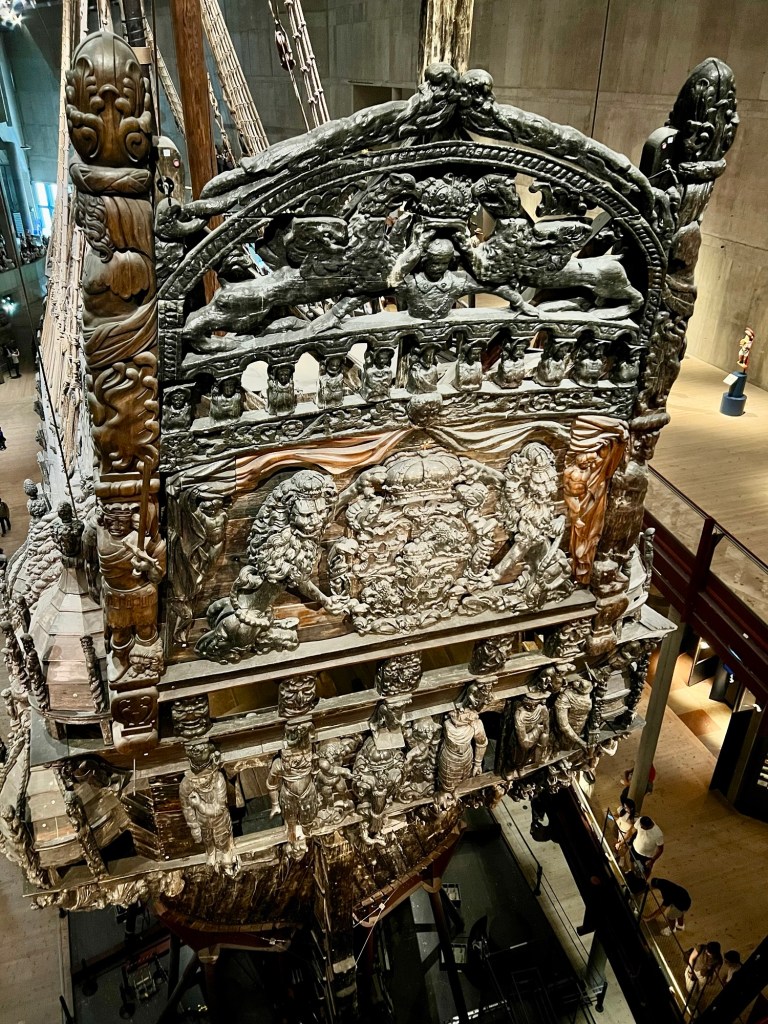
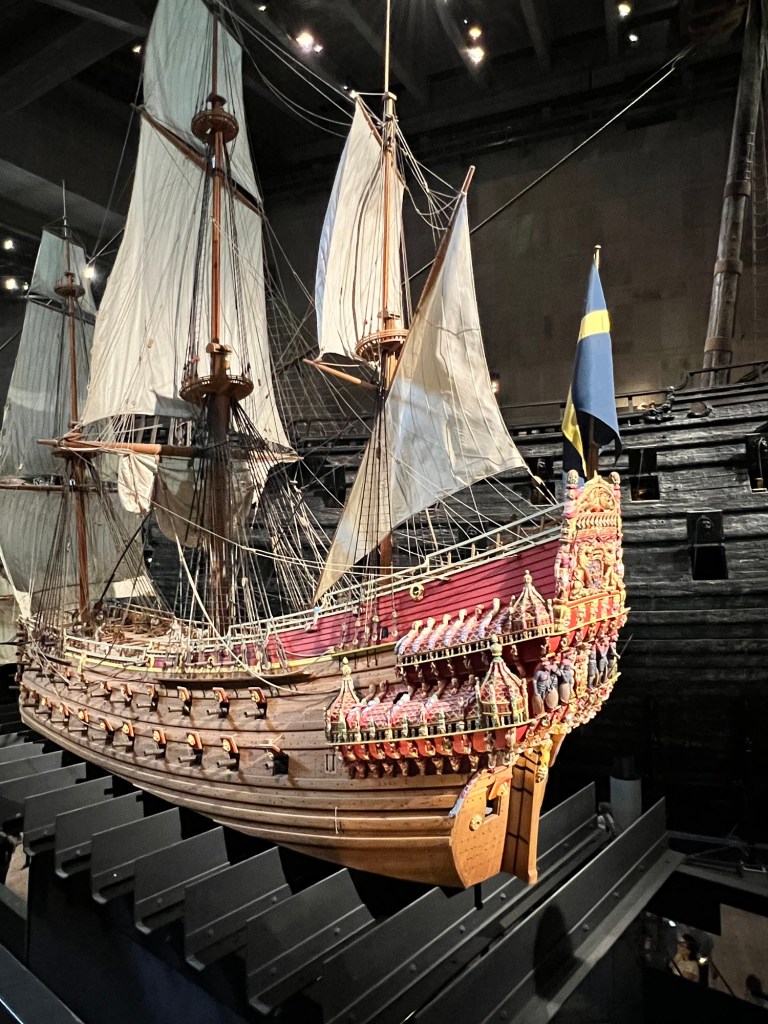
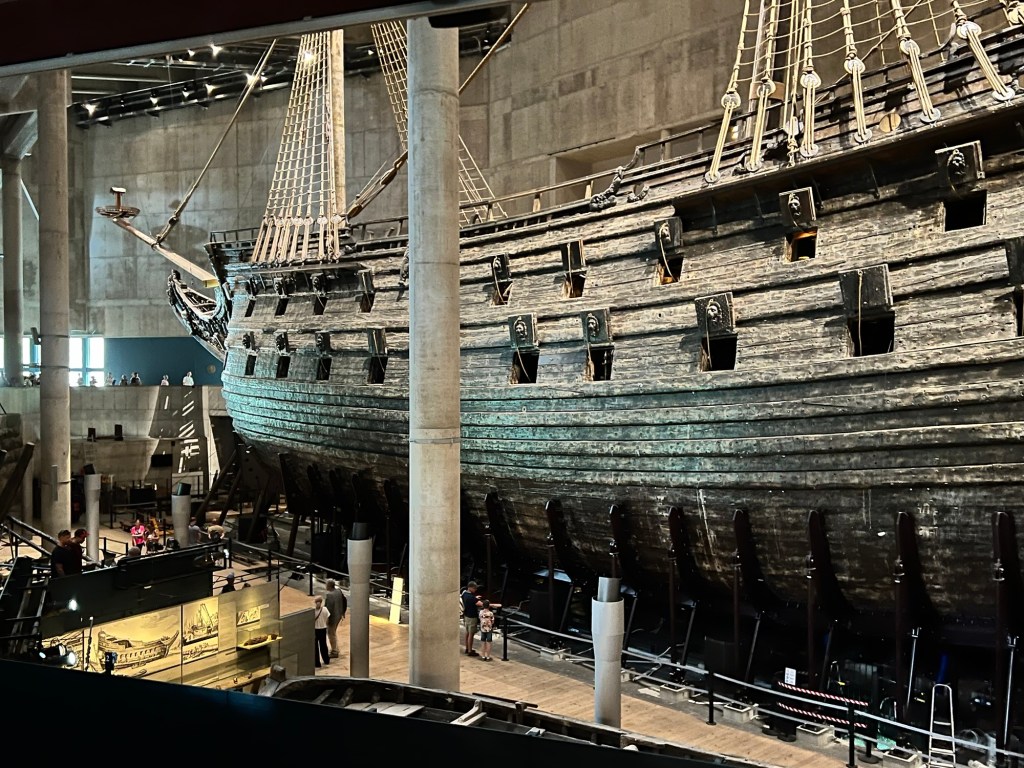
On Saturday, we had another day in Stockholm, so decided to strike out on our own.  We went to the Vasa Museum which has the only almost fully intact 17th-Century ship that has ever been salvaged.  The 64 gun warship sank in the harbor on its maiden voyage in 1628.  It made it less than a mile out, then was toppled over by a wind gust and sank in minutes before a crowd of onlookers.  The Vasa was a beautiful ship, but apparently was a poor design, top heavy with a narrow hull, plus the heaviness of the two gun decks.  It sat at the bottom of the harbor until 1961, when the Swedish government and military decided to  raise it.  It took four years to pull it up, and then they took it to the shipyard and built a building to shelter it.  They then spent the next 25 years painstakingly restoring it.  Finally, it was moved to its present home, the Vasa Museum, in 1990.  It’s kind of hard to imagine based on the pictures, but the ship is inside this giant museum with seven floors, so you go up and down the stairs or elevator to view it from different perspectives.  To get an idea of the scale, look at the people standing next to it. Quite amazing.  
Yesterday we spent our final day in Copenhagen going on a tour to see two castles and one palace.  At this point I have lost count of the castles, palaces and manors we have seen.  I had never thought about this, but apparently a castle is a fortress with battlements, moats and watch towers, while a palace is just a huge residence to show off wealth and power.  For instance, in England it’s Windsor Castle and Buckingham Palace.   

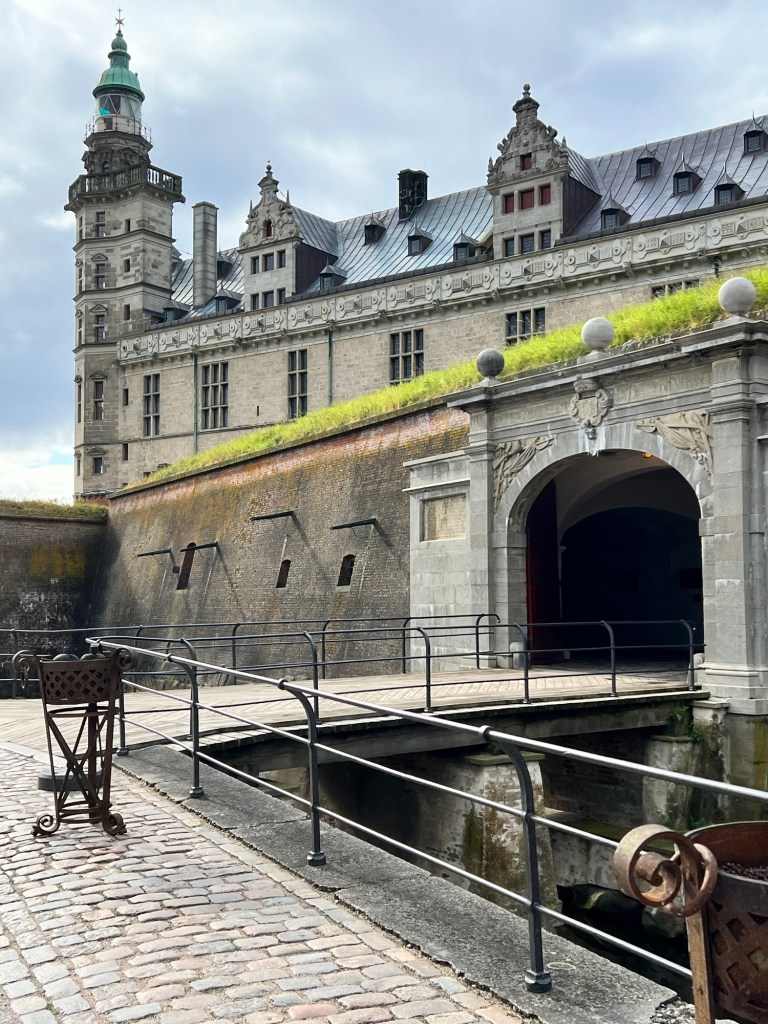
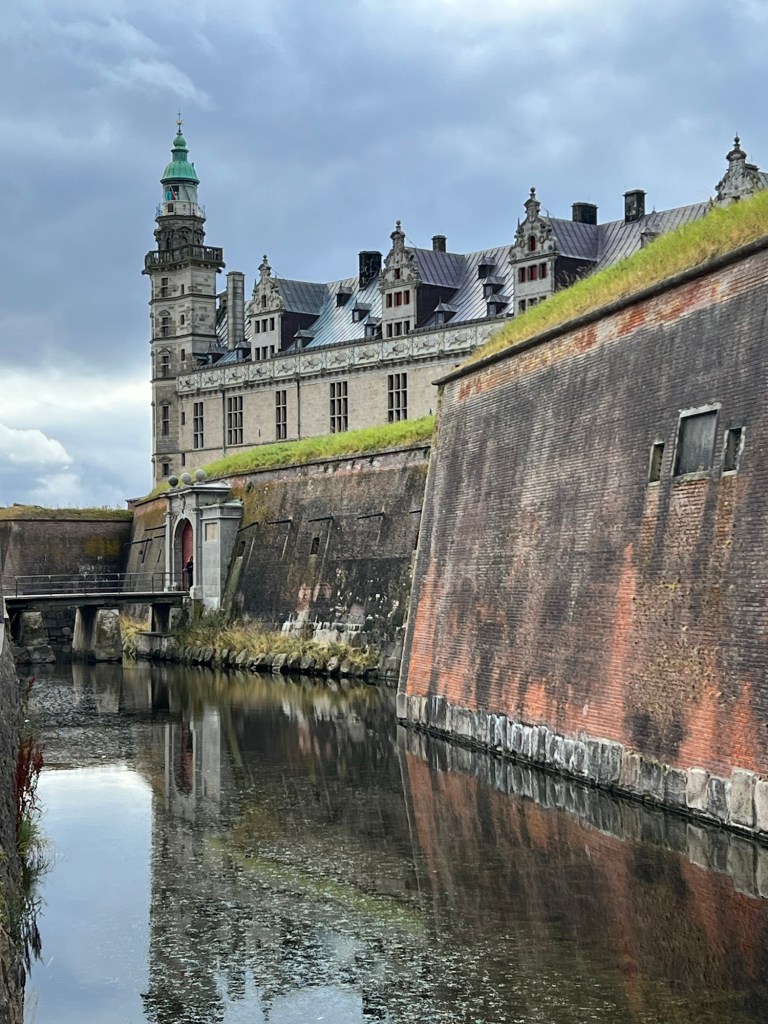
Our first stop today was Kronborg Castle, a famous Renaissance fortress in Helsingør, Denmark.  It is world renowned as the real life setting of Shakespeare’s play Hamlet.  In the play it’s called Elsinore, which is the anglicized version of Helsingør the town.  The castle’s battlements are where the ghost of Hamlet’s father first appears to the guards to let them know that his own brother, Claudius, poisoned him so Claudius could be king and marry Gertrude, Hamlet’s mother.
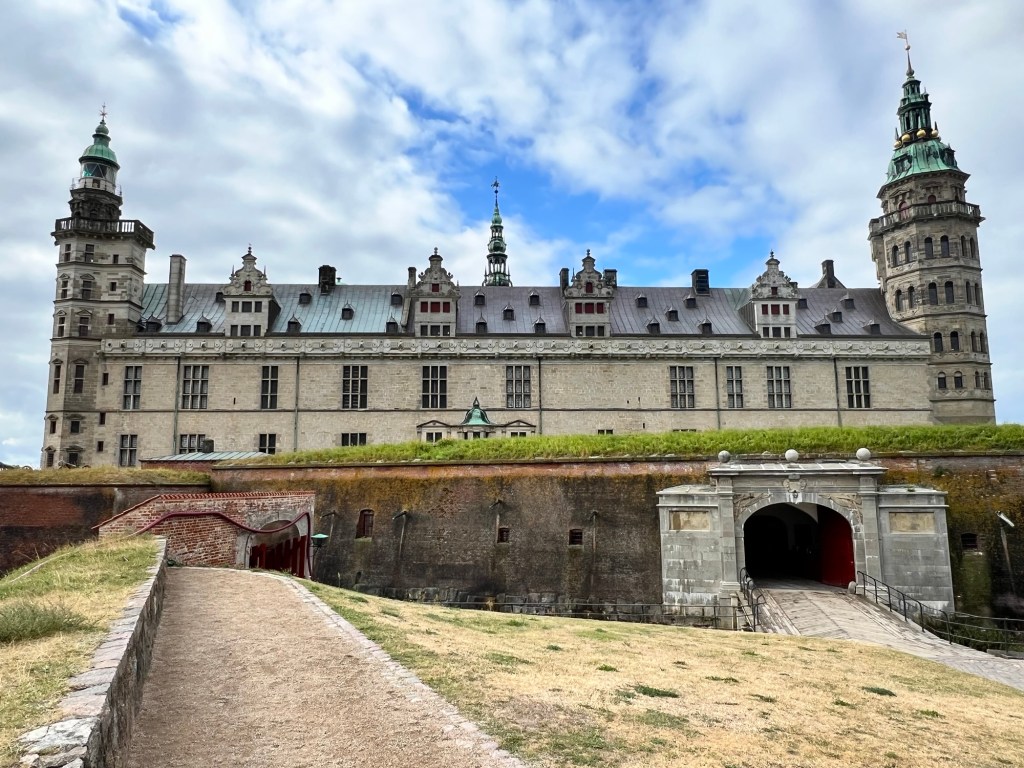
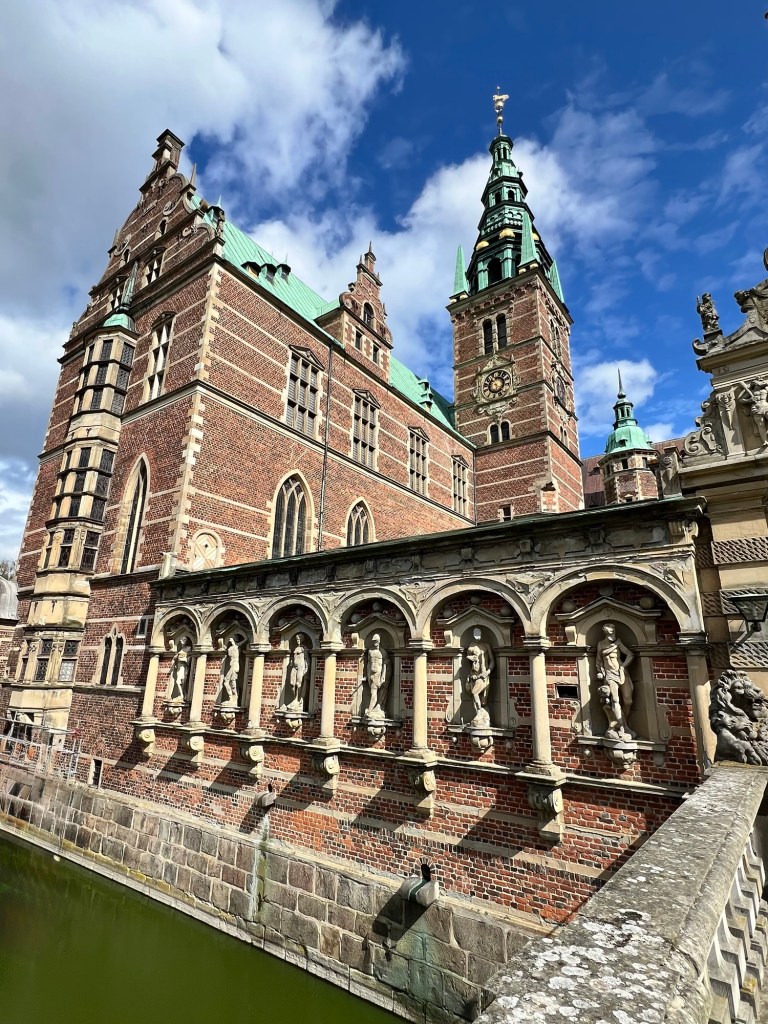
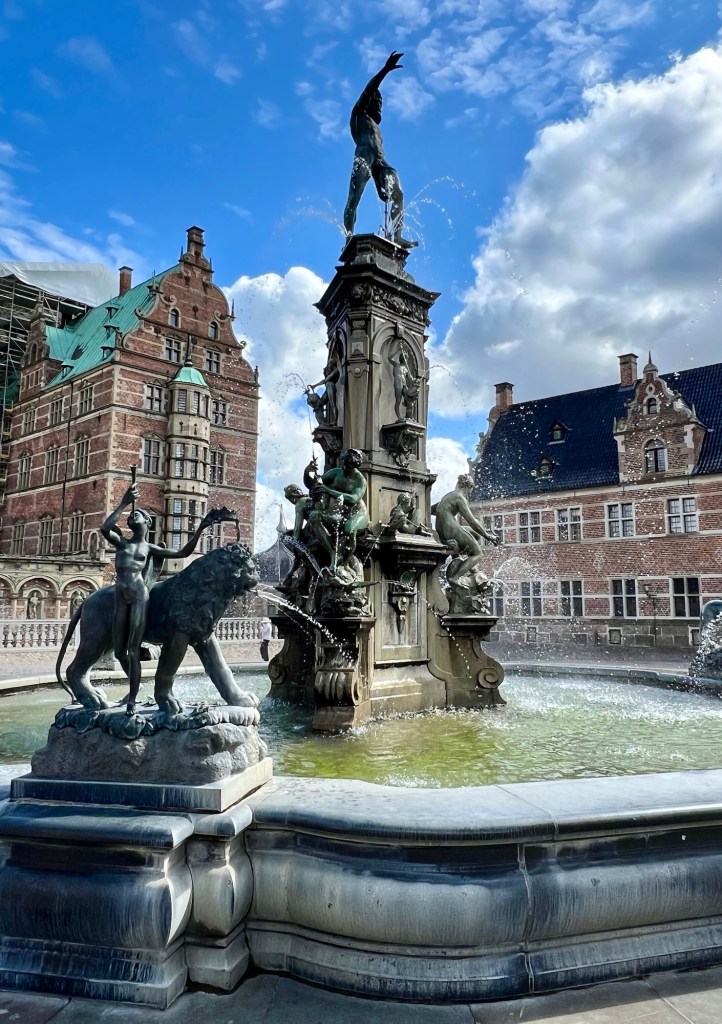
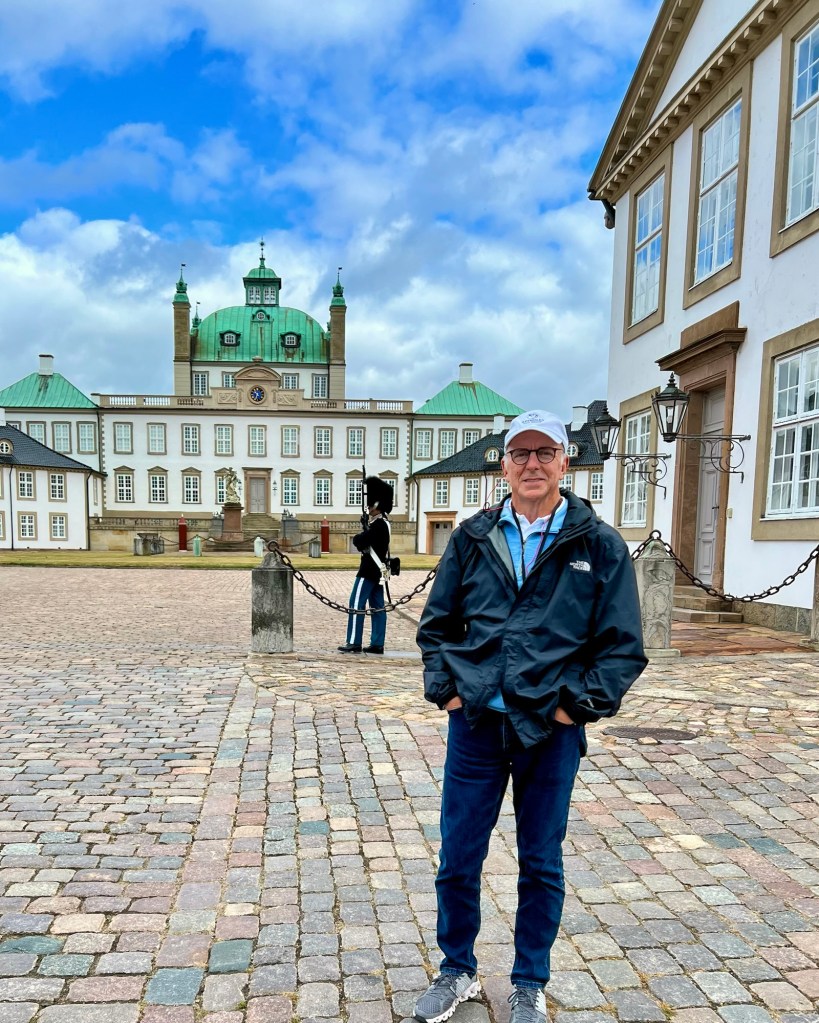
Our next two stops were Fredensburg Palace, the Danish royal family’s spring and autumn residence, and Frederiksborg Castle, a royal residence built for King Christian IV of Denmark in the early seventeenth century.  
I have noticed on these bus tours that the overachievers and straight A students sit in the first rows of the bus so they can ask the tour guide a million inane questions, crack hilarious jokes, tell the tour guide they have been to the place before and then show off their vast knowledge of the subject by constantly interjecting their own thoughts.  Usually it’s just one or two people, but yesterday there were probably six of them who would not shut the heck up.  One couple, who I will call Mr. And Mrs. Putz, talked over each other, constantly interrupted and were even finishing the sentences of the poor tour guide, a sweet young man named Metz.  I was hoping Metz would throw one or both of them in the castle moat, but the guy had the patience of Job.  Anyway, good thing we are going home because I am on my last nerve as a participant in bus tours.  

I don’t want to end on the low note of my lack of patience with bus tours and the people on them, so I will say it’s fun to see and learn new things about the world, and it can’t happen without getting out there and just doing it, regardless of the discomforts and anxiety of traveling. So, until next time “Hej, hej!”
August 13, 2026–Scandinavian Serenade, Part 4:  Liepaja, Latvia to Visiby, Sweden to Helsinki, Finland to Tallinn, Estonia

We are still hopping around from one country to another in the Baltic Sea.  On Monday it was Liepaja, Latvia, Tuesday it was Visiby, Sweden, and yesterday it was Helsinki, Finland.  Today, Tallinn, Estonia.

Latvia is one of the Eastern European countries that a lot of us didn’t study in high school or college history because it was part of the USSR until 1991.  Stalin’s Soviet Red Army occupied it from 1940-1941, then the Nazis from 1941-1944.  After the war, the Soviets reoccupied the country from 1944 until 1991, which is when the USSR collapsed and Latvia became an independent democracy.  

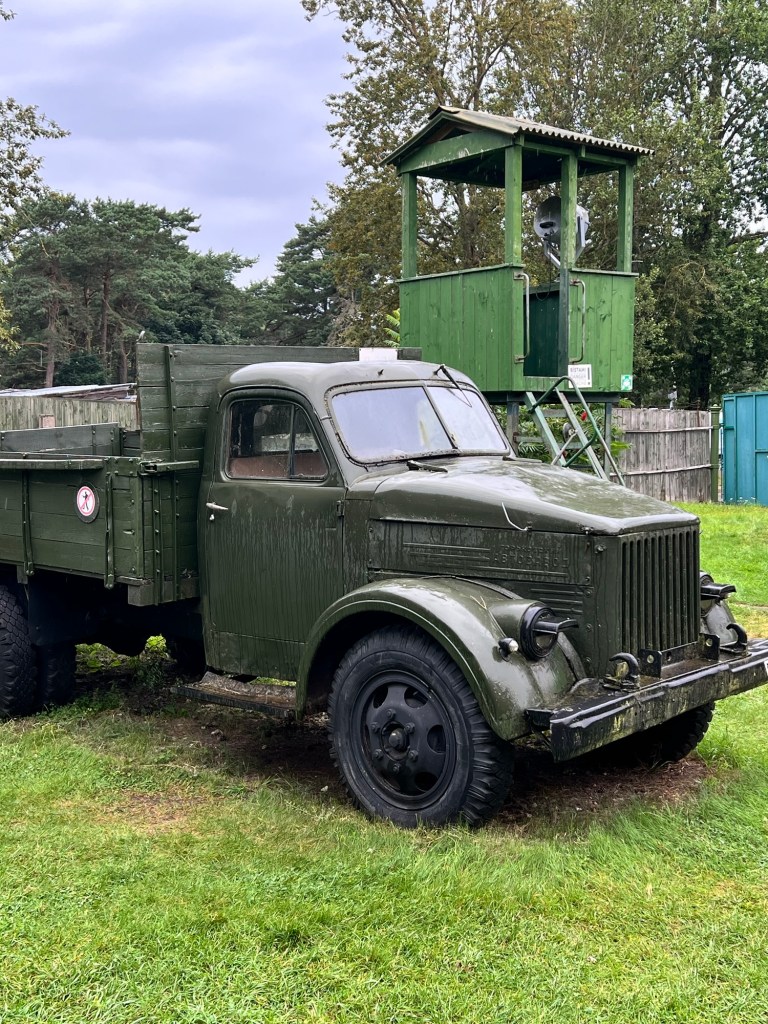
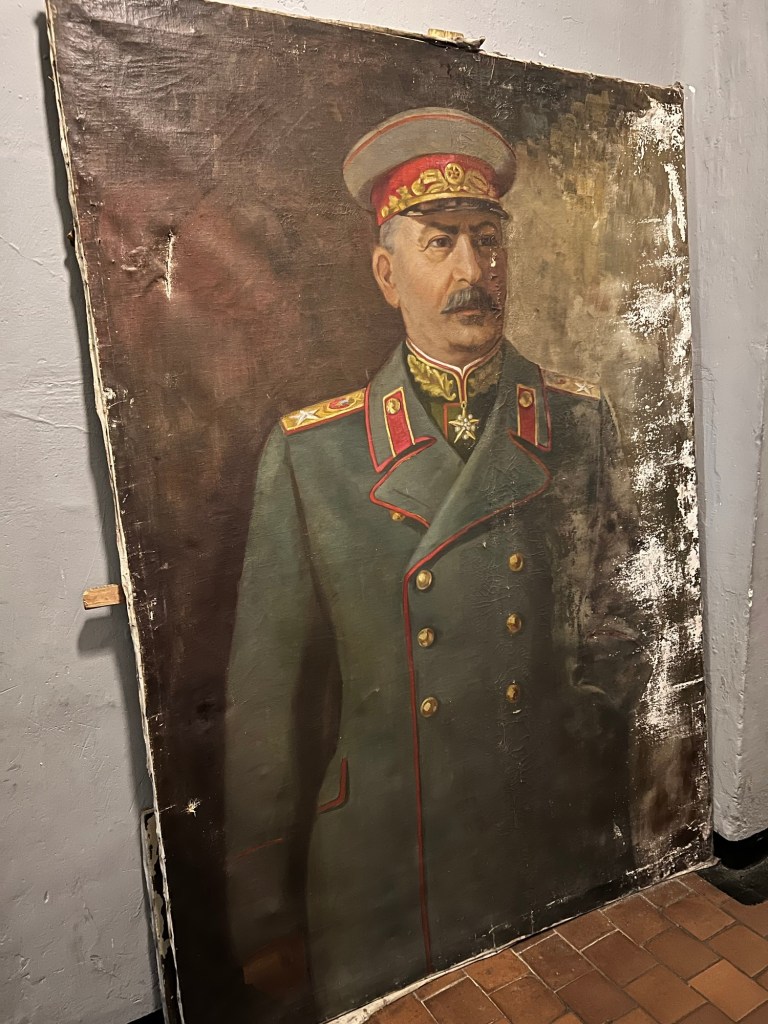
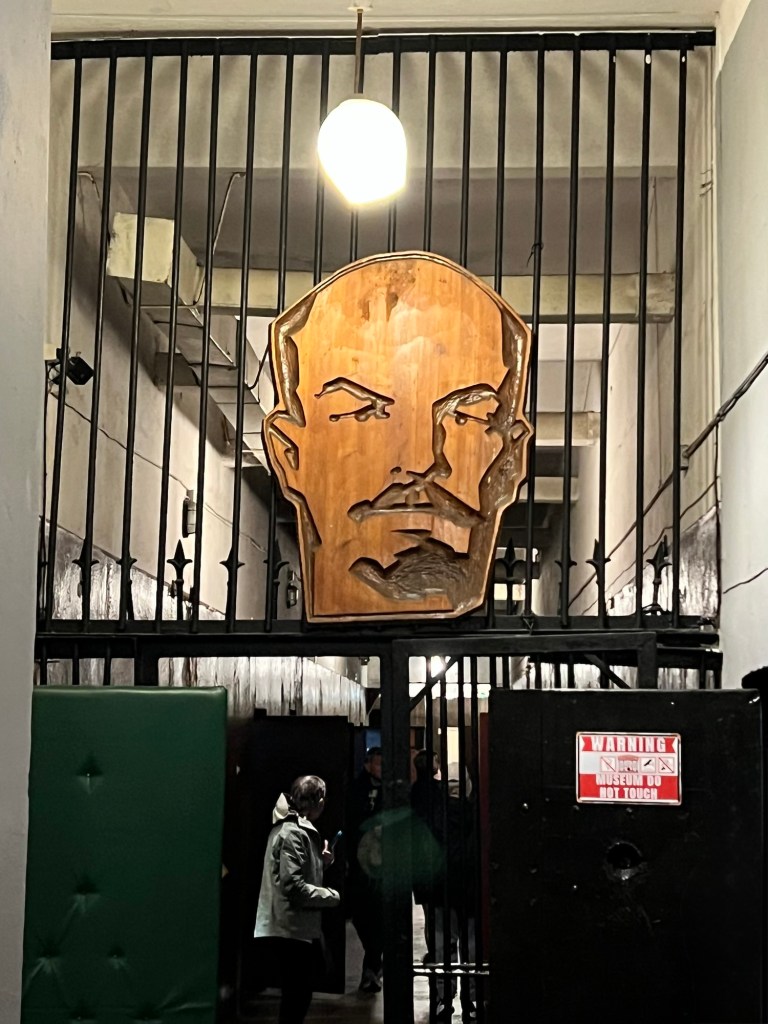
While we were in Latvia we went on a tour of the Karosta Prison and the city.  The Karosta prison was a creepy place and I could not wait to get out of there.  Dark, windowless, dank and claustrophobic.  It was used as a military prison for Tsarist Russia in the early 1900’s, by the Soviets during The Stalin Era and Cold War, and by the Nazis during WWII.  Some five thousand prisoners were tortured and executed there.  I hated the place.  Strangely enough, you can book an immersive “hotel” experience at Karosta Prison which includes spending the night in a former jail cell and being treated like a prisoner by actors dressed up as Soviet era military guards.  And I mean being interrogated, sleeping on an iron bunk bed or a bare bench, and enduring disruptive bed checks throughout the nine hours you are locked in your concrete cell.  With just a shared latrine and no TV, WiFi, or showers.  Sign me up!
So far, we haven’t seen much of Sweden.  In my last post I mentioned that it was too rainy and windy for a boat ride in the harbor of Lysekil, Sweden.  And Tuesday morning when arrived in Visiby, Sweden the weather was even worse.  We were at port, but the ship was being hit by so much wind and wave action that we were only there about thirty minutes when the captain came on and said it wasn’t safe to stay.  So, instead we had an unexciting day at sea.

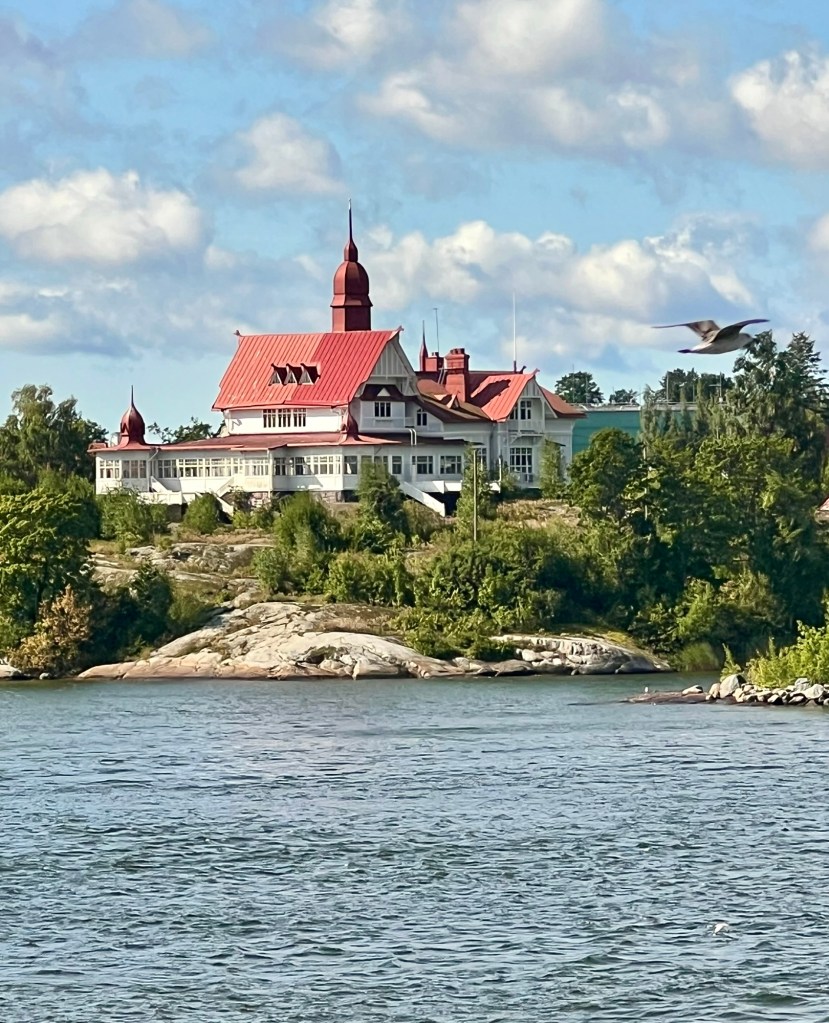
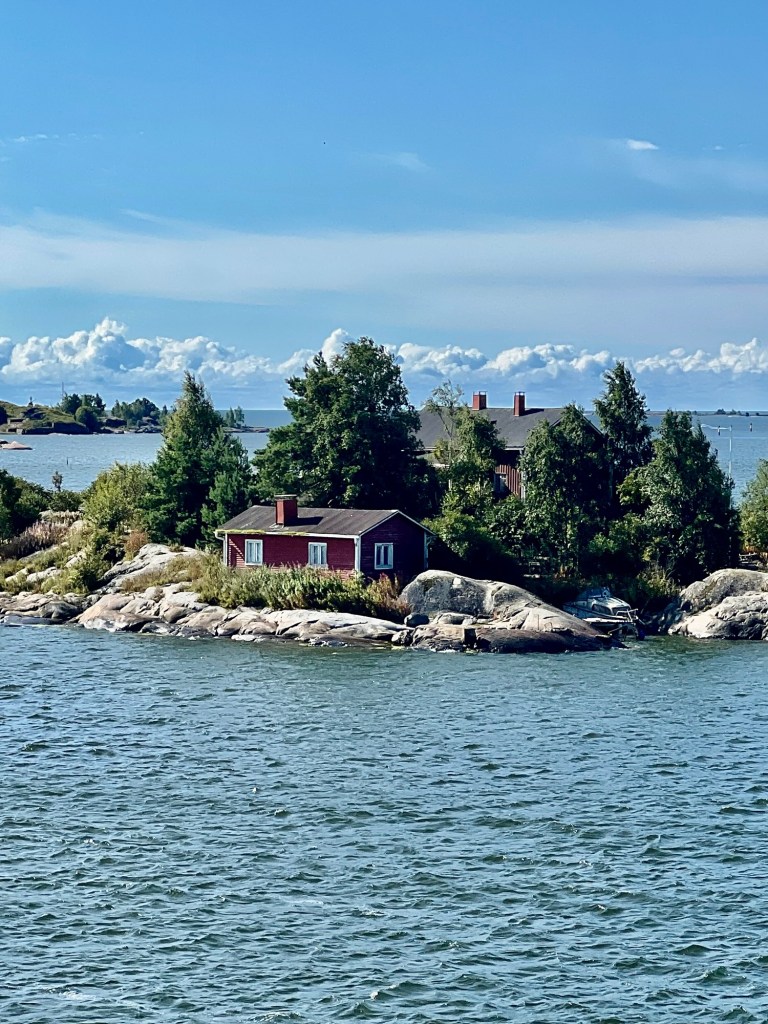
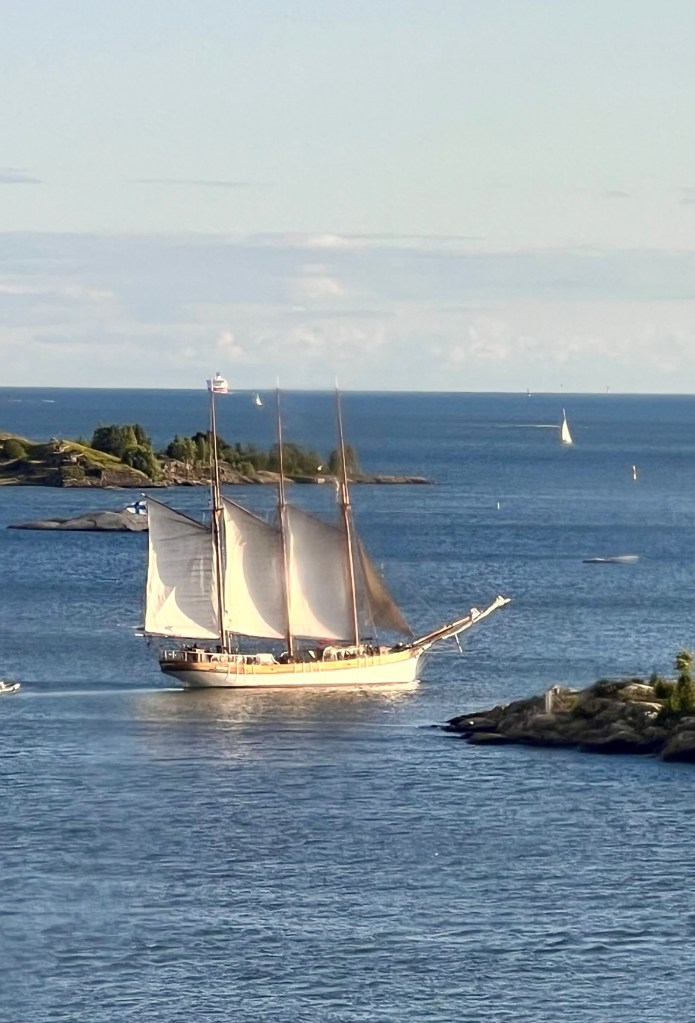
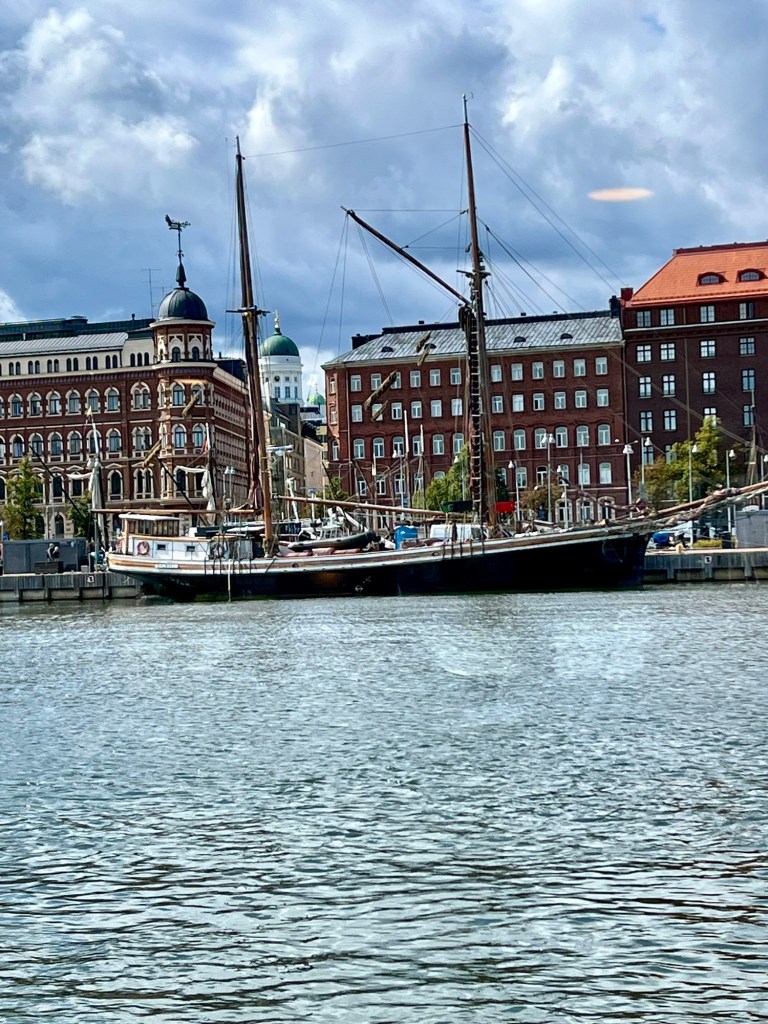
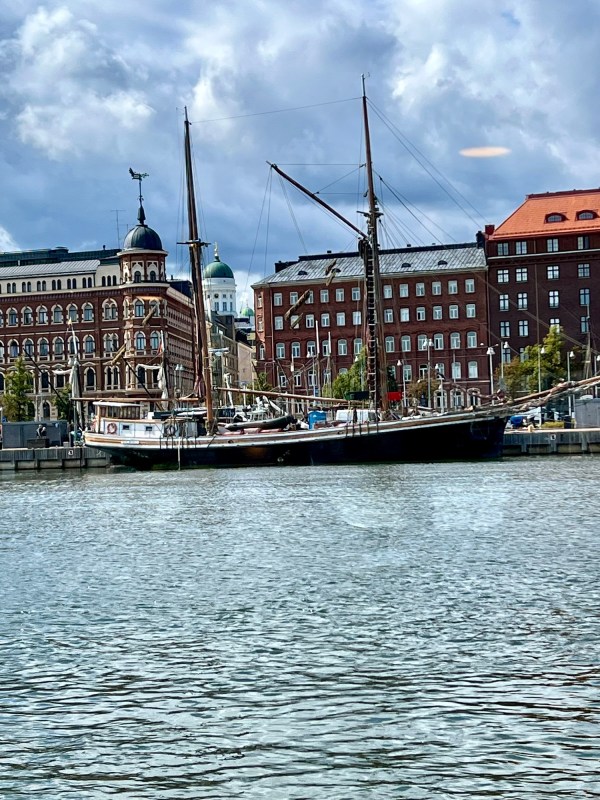
Helsinki is on the Gulf of Finland, so yesterday our tour was a ferry ride around the harbor area.  It’s a beautiful place, but even in August it is windy and cool.  Finland is considered the coldest Nordic country, so I cannot imagine enduring winters there. Absolutely gorgeous place, though.

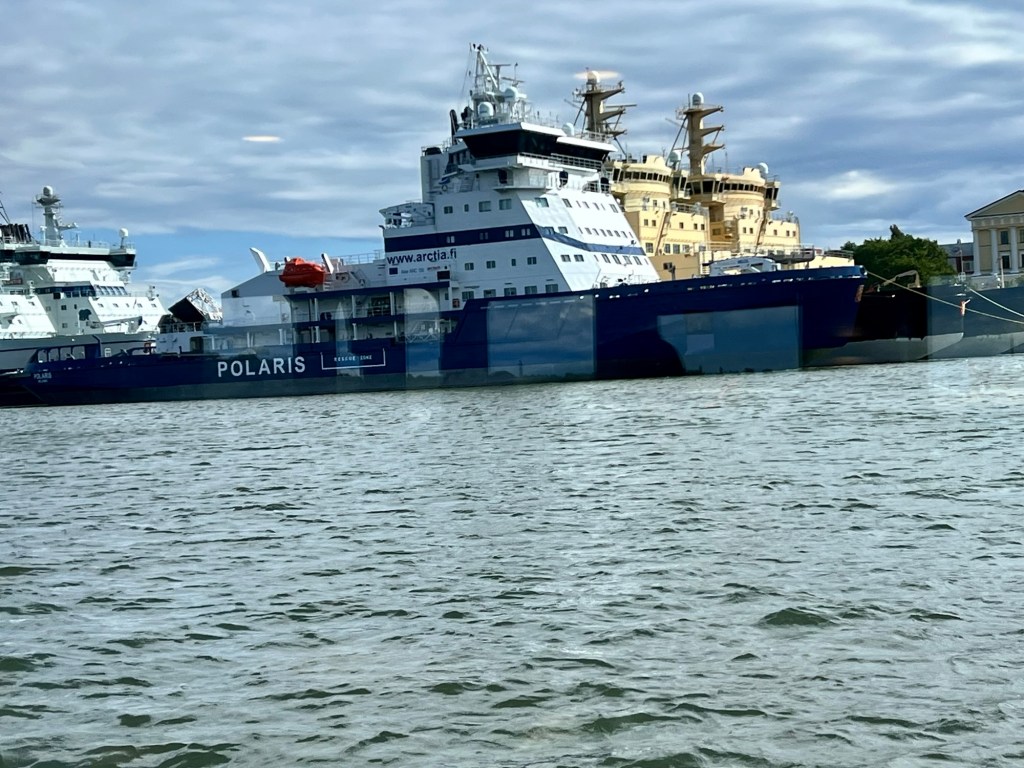
One thing that fascinated me in Helsinki were the icebreakers, which are basically ships that plow channels through the ice in the harbors to keep shipping lanes open in the long winters.  They are also used for research and rescue in arctic areas. Finland is the world leader in icebreaker manufacturing, having built 60% of all icebreakers in the world and designed 80% of them.  

Icebreaker

Last night we went up on the pool deck to watch the solar eclipse. It wasn’t a total eclipse, about 85%, and it happened at nine PM, which is pretty strange. We only had iPhones, so no significant pictures. About ten years ago I saw a total solar eclipse in Pawleys Island, South Carolina. I was looking at it through my special glasses, standing beside a small lake, and when I took the glasses off I noticed a pretty good sized alligator on the bank right beside me. So freaky. But I digress.

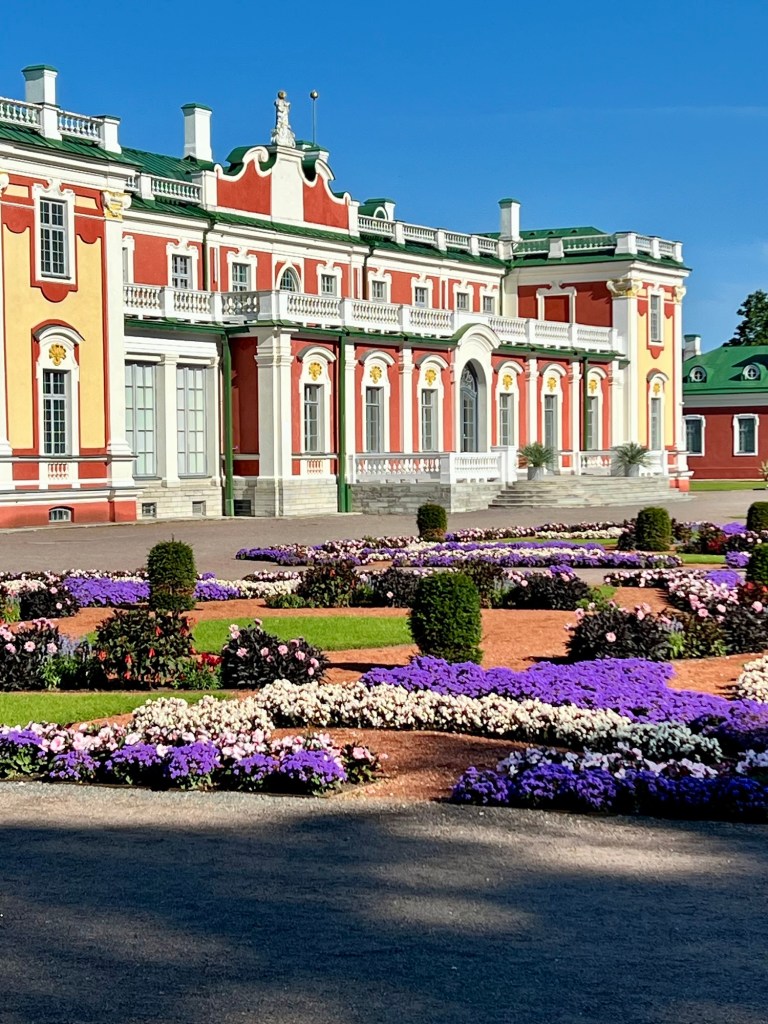
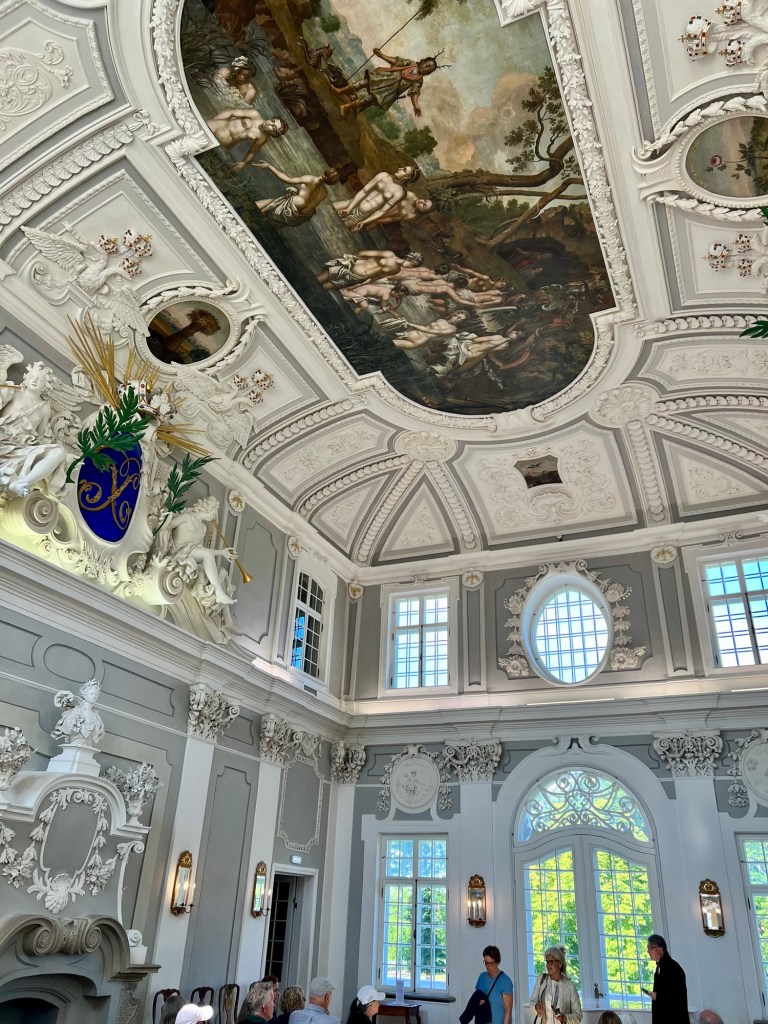
Today we were in Tallinn, Estonia.  Estonia’s history is similar to Latvia’s history, and like Latvia, they have only been independent since 1991 when then Soviet Union collapsed.  We went on a tour of Kadriorg Park and Palace, which was built by Czar Peter the Great.  

So we are on the Regent cruise line, which is advertised as a luxury cruise line.  One of the blurbs I read said that the china in the dining room is Versace.  That is true—it is Versace, but they don’t let you eat your dinner on the Versace plates.  When your order is taken, the Versace is whisked away and dinner is brought on Crate and Barrel everyday dish ware, or its equivalent.   Kind of a bait and switch, right?

We see Rosalind a lot on the ship, usually at one of the help or concierge desks either complaining about something or demanding a special service.  Regent should stop advertising the luxury cruise line stuff because it makes people have too high of expectations.  We were on a Regent cruise several years ago and a lady was at the desk asking for a supply of Coca Cola that had been specifically bottled in Mexico.  Really.  I think Rosalind is kind of like that.  And it seems like she has broken up with her new boyfriend, or maybe he was tired of her incessant “enough about you, now back to me “ chatter.  I told Doug that he has probably locked himself in his room for a few days just to avoid her.  

We are in Stockholm tomorrow.  

August 9, 2026–Scandinavian Serenade, Part 3:  Lyseskil, Sweden, to Aarhus, Denmark to Berlin, Germany

We have been waking up in a different country every day for the last few days, which I have to admit gets confusing.  I have had to look at a map of Europe several times lately just to figure out where the heck we are. Plus the time keeps changing and our phones don’t always automatically change, so keeping track of the time is difficult as well. Right now we are on the Baltic Sea on our way to Liepaja, Latvia.

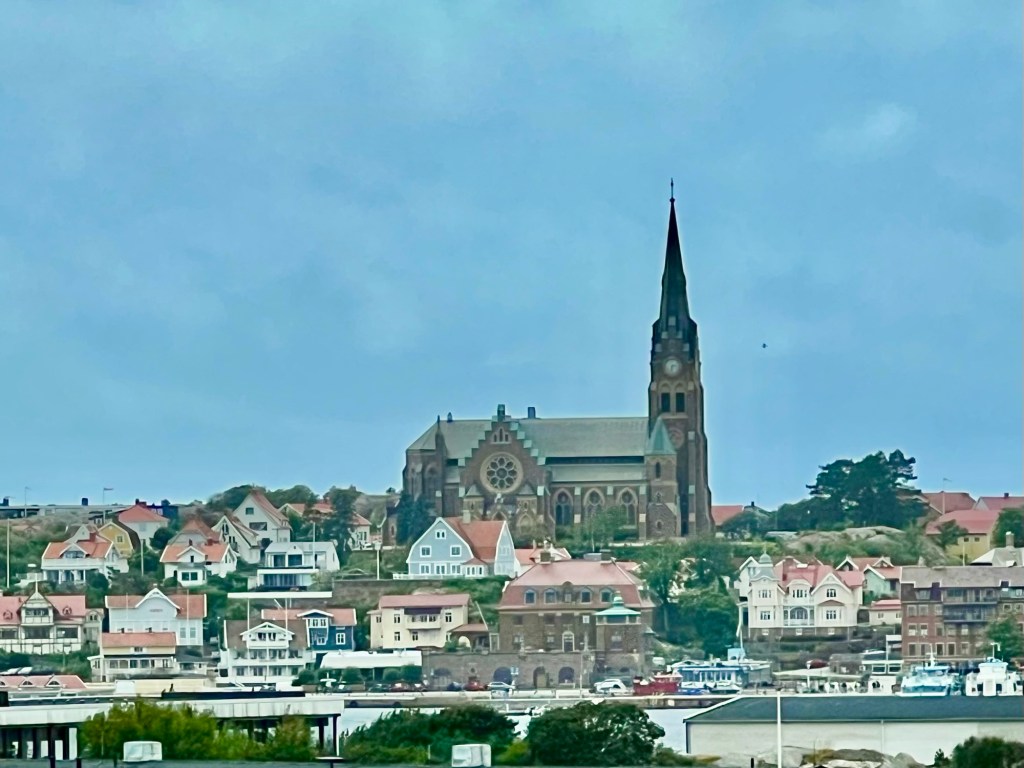
On Thursday we were in Lyseskil, Sweden but I don’t have much to report because we were due to go on a boat cruise of the harbor in the morning and it was windy, cold and rainy with the choppiest water ever.  I don’t do boats in those conditions, so we bailed.  It cleared up just as we were leaving, so here’s a picture from the ship.

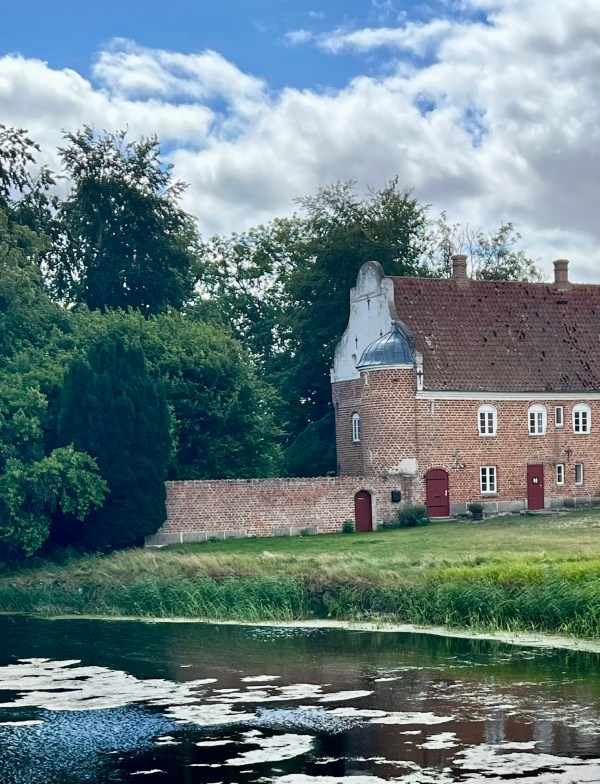
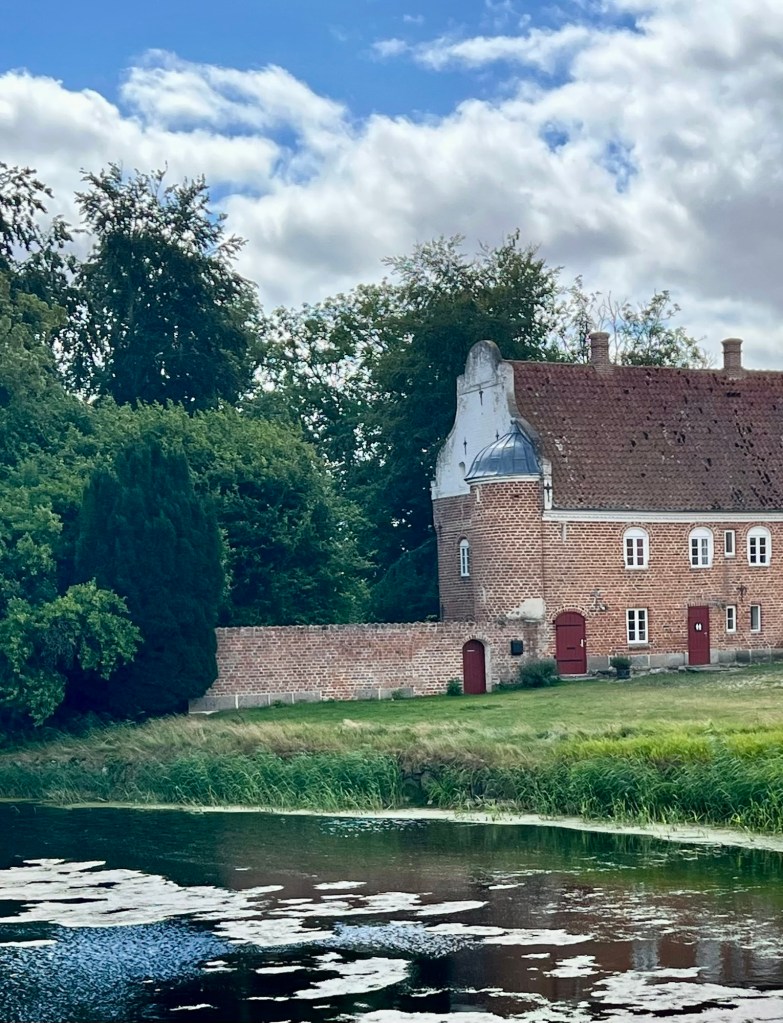
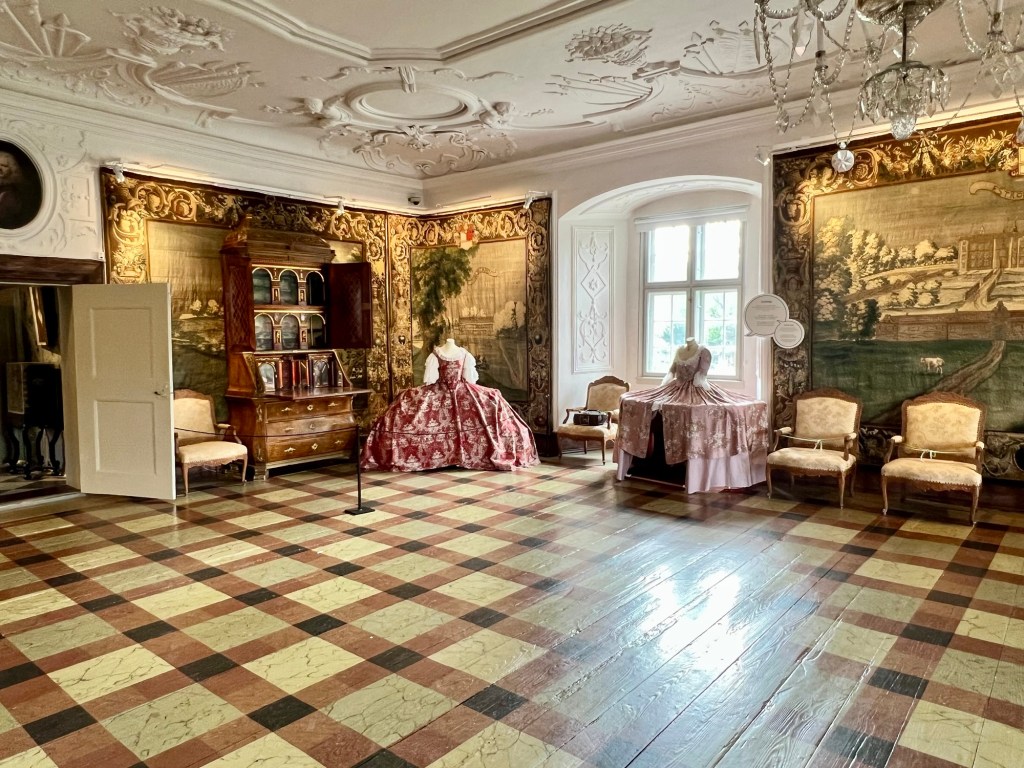
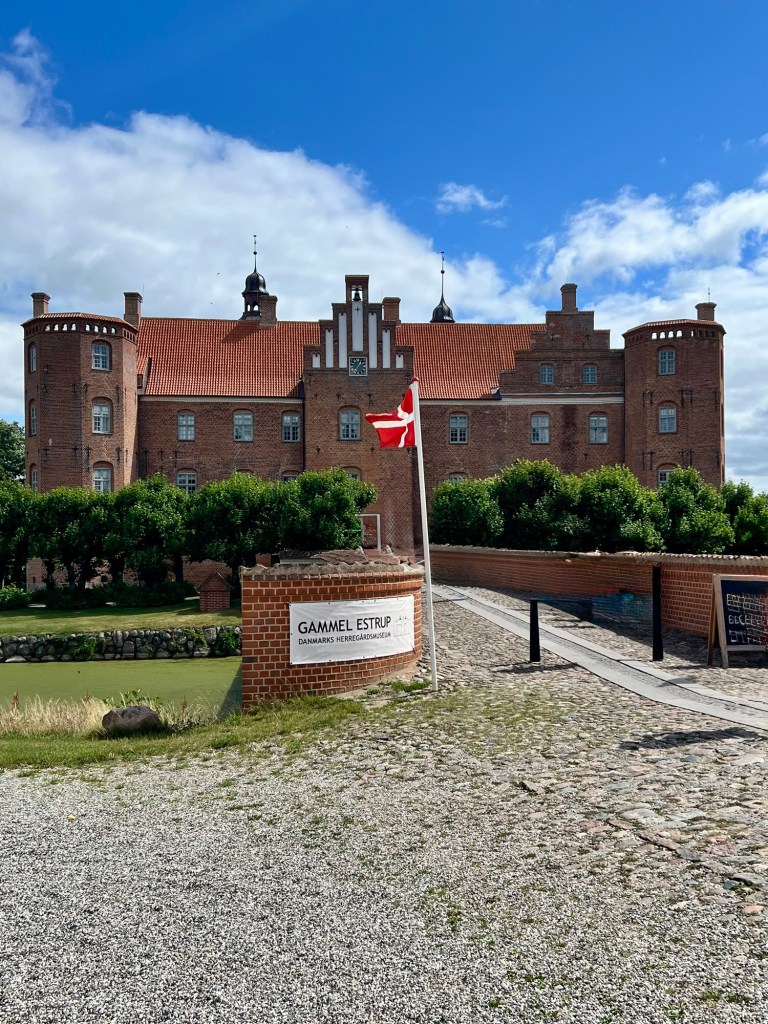
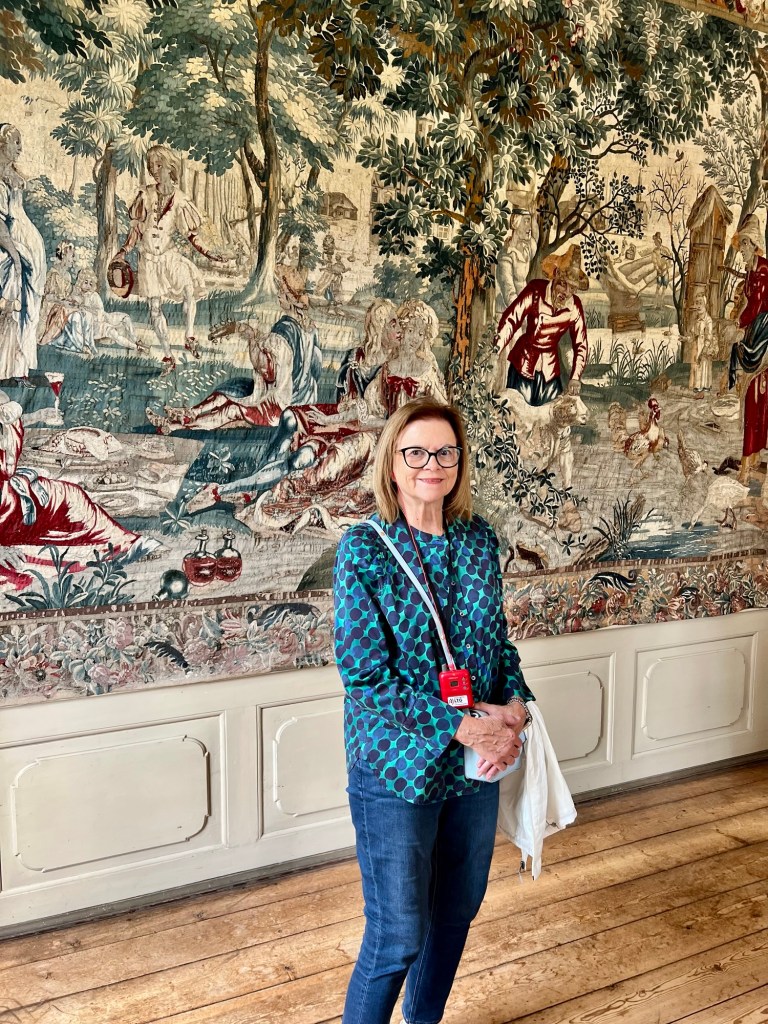
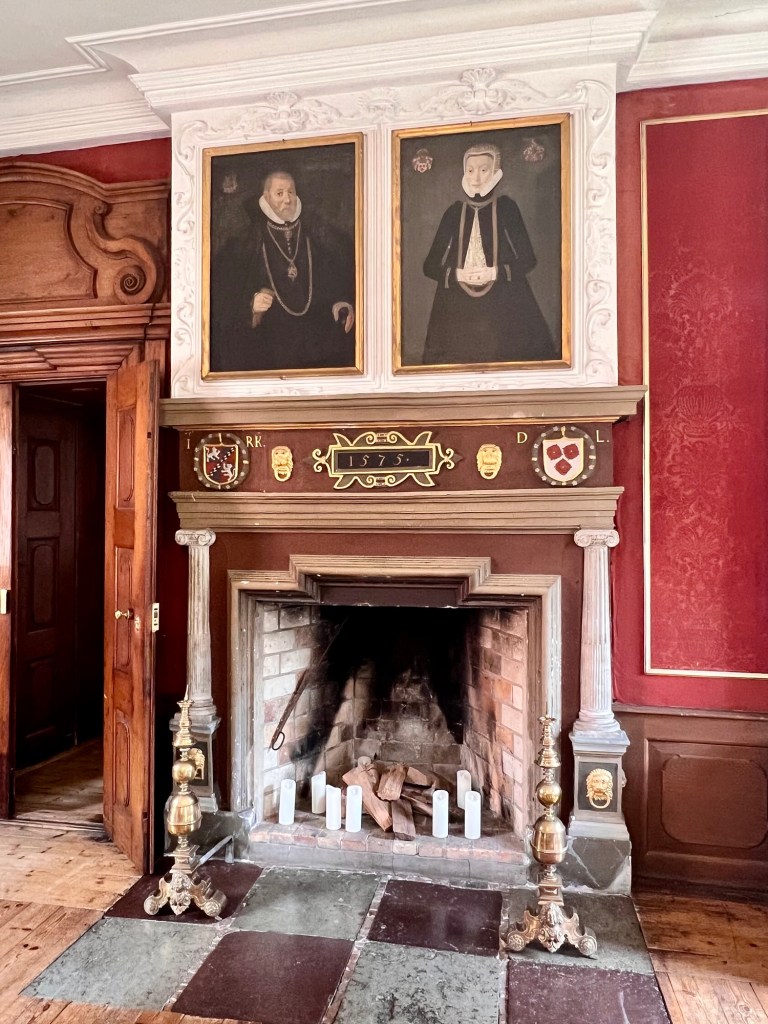
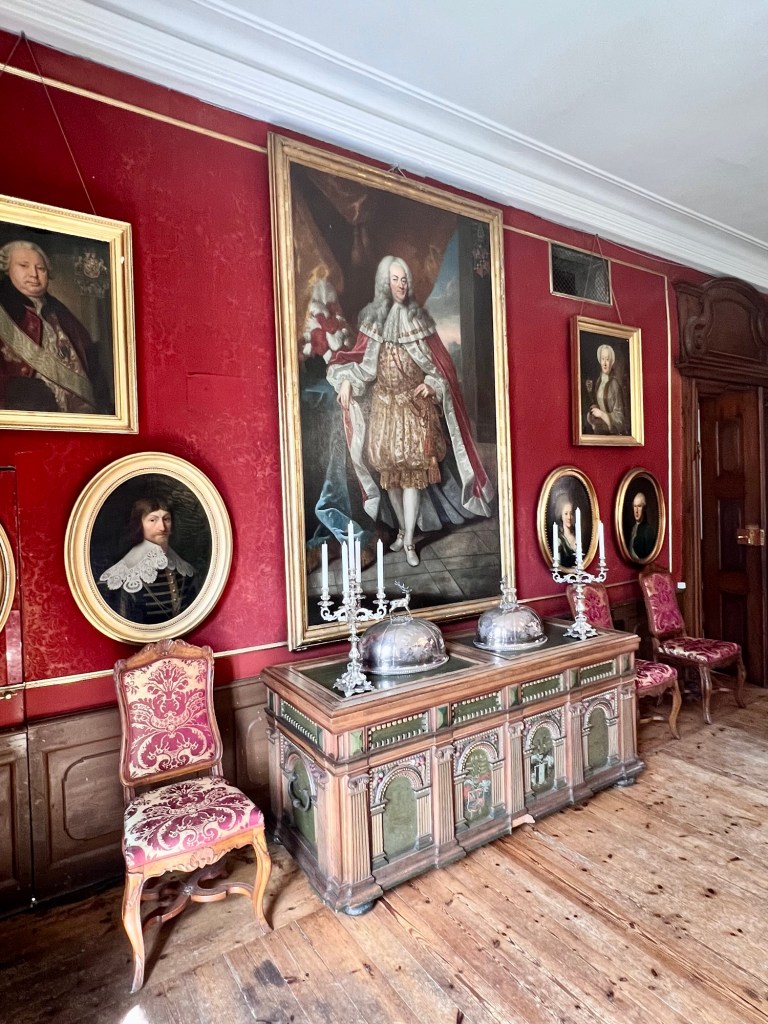
Friday we took a tour from Aarhus, Denmark to Rosenholm Castle and Gammel Estrup Manor.  Our tour guide, Ane, spent a great deal of time explaining why a manor was larger than the castle, so I will relate this information just in case it comes up at your next social gathering. A castle is a grand royal residence for kings, queens, or those closely associated to royalty while a manor is a large, elegant country mansion associated with nobility and usually surrounded by massive barns, stables, gardens, and thousands of acres of farmland worked by peasants.  Below are pictures of the Gammel Estrup manor.

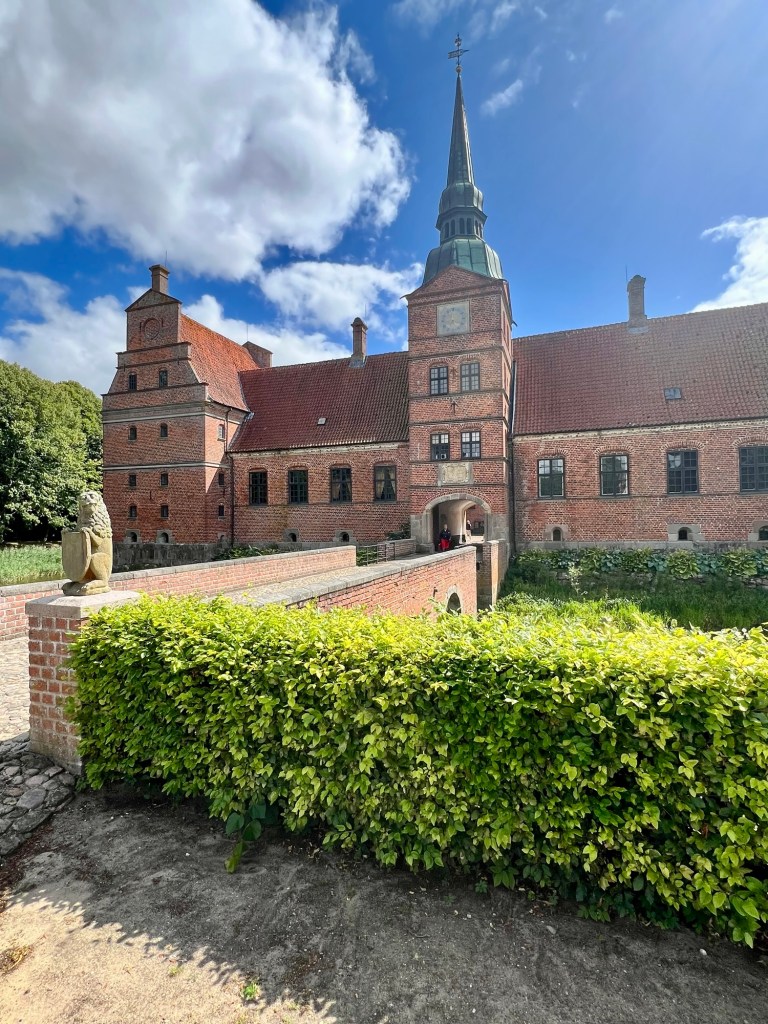
Our other stop, the Rosenholm Castle, was built circa 1559 and was owned by the Rosenkrantz family, who were of high noble lineage.  If you read Shakespeare’s “Hamlet” in school you might remember the characters Rosencrantz and Guildenstern, childhood friends of Hamlet, summoned by King Claudius to distract the prince from his apparent madness and if possible to figure out the cause of it (which doesn’t make a ton of sense because Claudius, the king, had Hamlet’s father murdered and then married Hamlet’s mother, Gertrude.  It follows that many people might go mad after all that). “Hamlet” is set in Denmark, as in “Something is rotten in the state of Denmark.”  The Rosenkrantz and Gyldenstierne families made up a significant portion of the Danish aristocracy during the 1590s, and Shakespeare probably used their names to add authenticity to the play.  Long story to explain something most people don’t care about in the least.
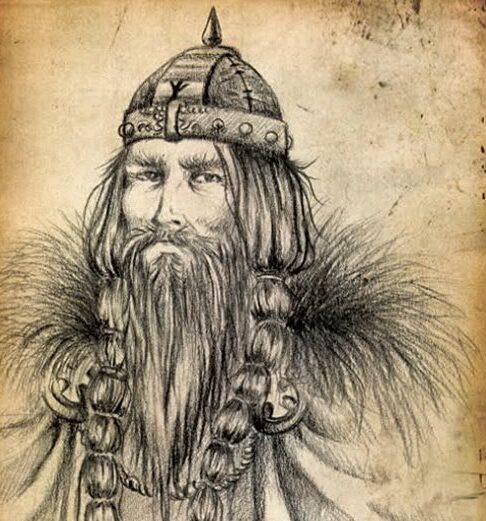
And while we are on fascinating facts about Denmark, did you know that Bluetooth technology is named after Harald “Bluetooth” Gormsson, a 10th century Viking king who famously united Scandinavia?  In the late 1990’s, tech developers used his name as a temporary code name because they wanted their technology to similarly unite PC’s and cellular devices.   Apparently, one of the inventors had recently read a book about King Harold.  By the way, the nickname “Bluetooth” translates from Old Norse roughly as “blue or black tooth,” so Harald probably had some dental problems.  I looked it up and the Bluetooth website has an artist rendering of Harald.

On every tour, Denmark included, there are at least one or two fellow travelers who dominate the tour guide’s time with stupid questions, unreasonable requests, and/or long stories about their previous visits to said place.  On the Denmark tour one lady, who we will call Gladys, requested that we cut the tour short because she wanted to get back to the ship early.  Ane, the Danish tour guide, tried to be nice, but Gladys would not give it up.  Okay, Gladys, we will do it just for you.  Who cares about the other twenty people on the tour.

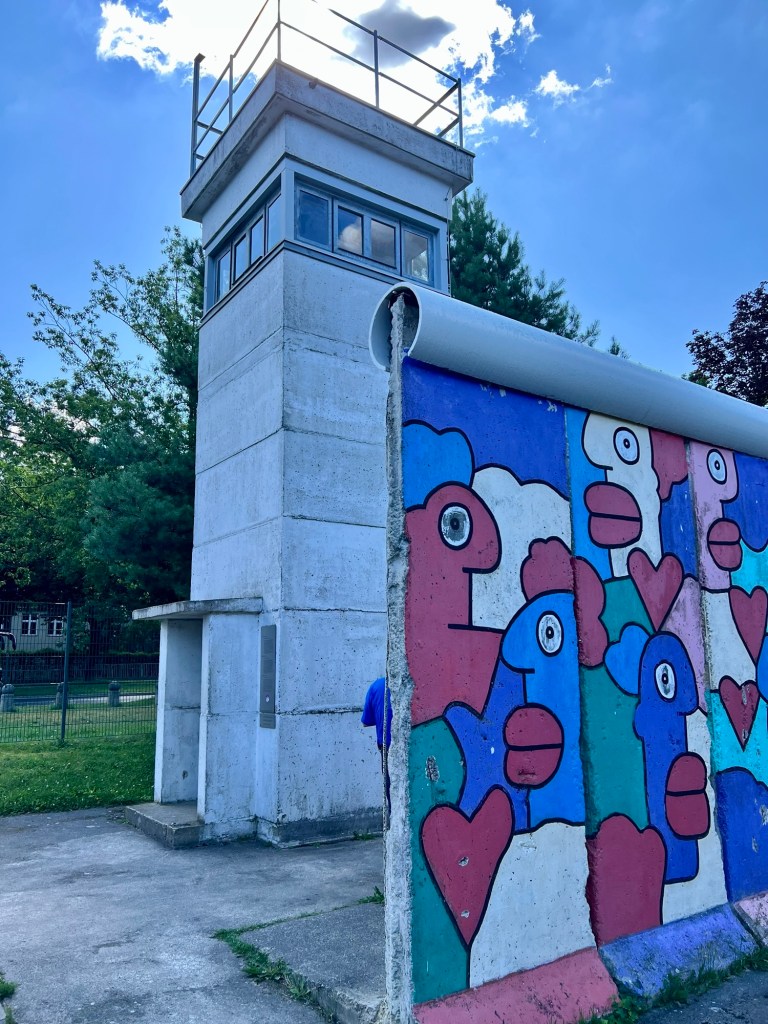
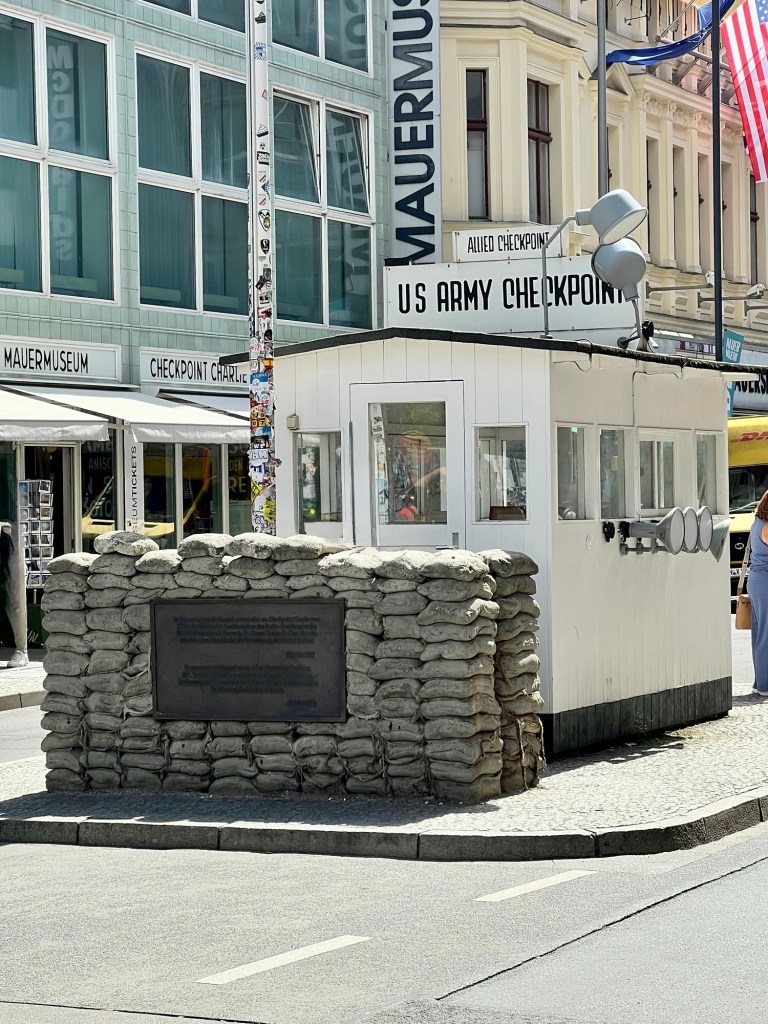
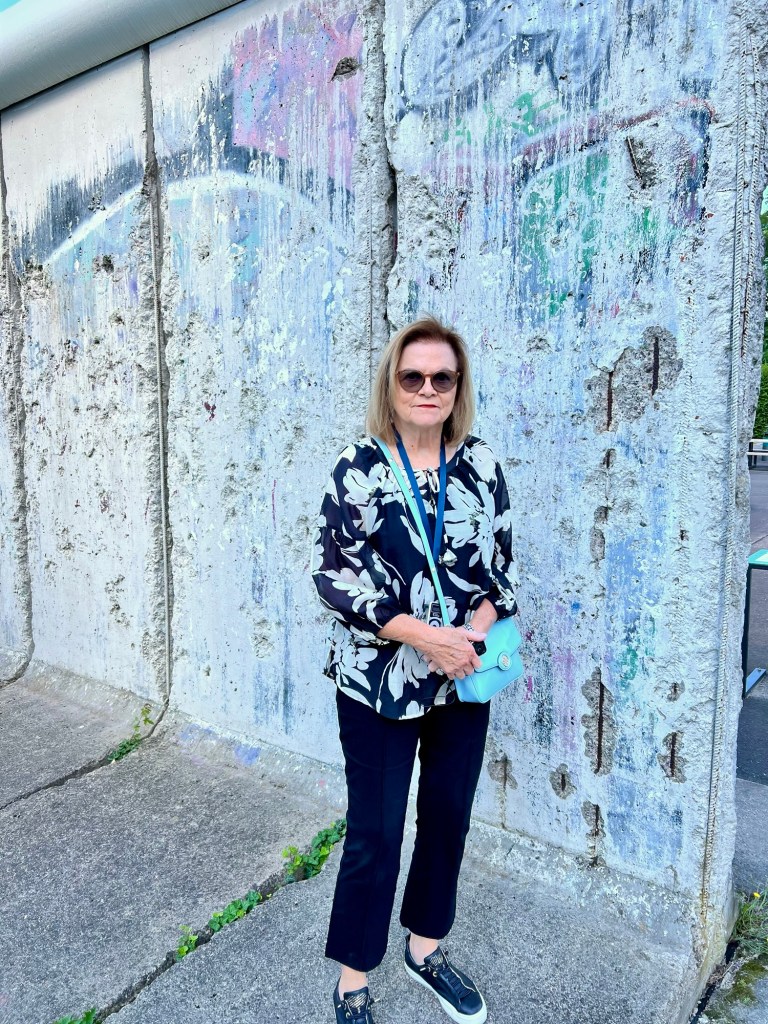
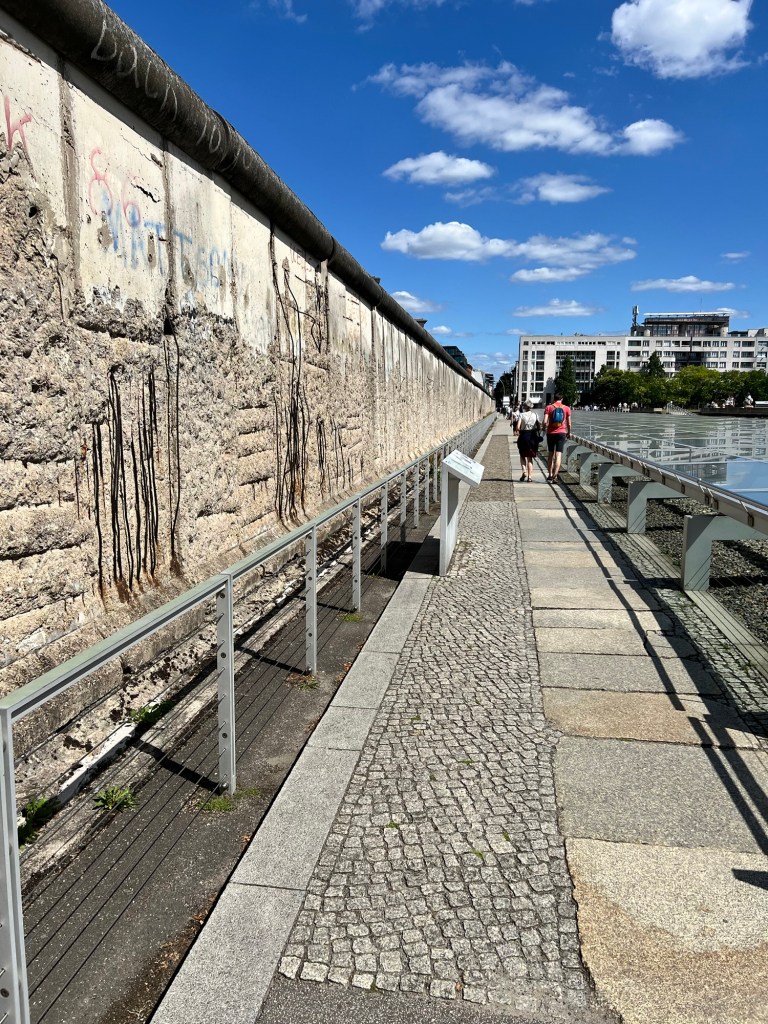
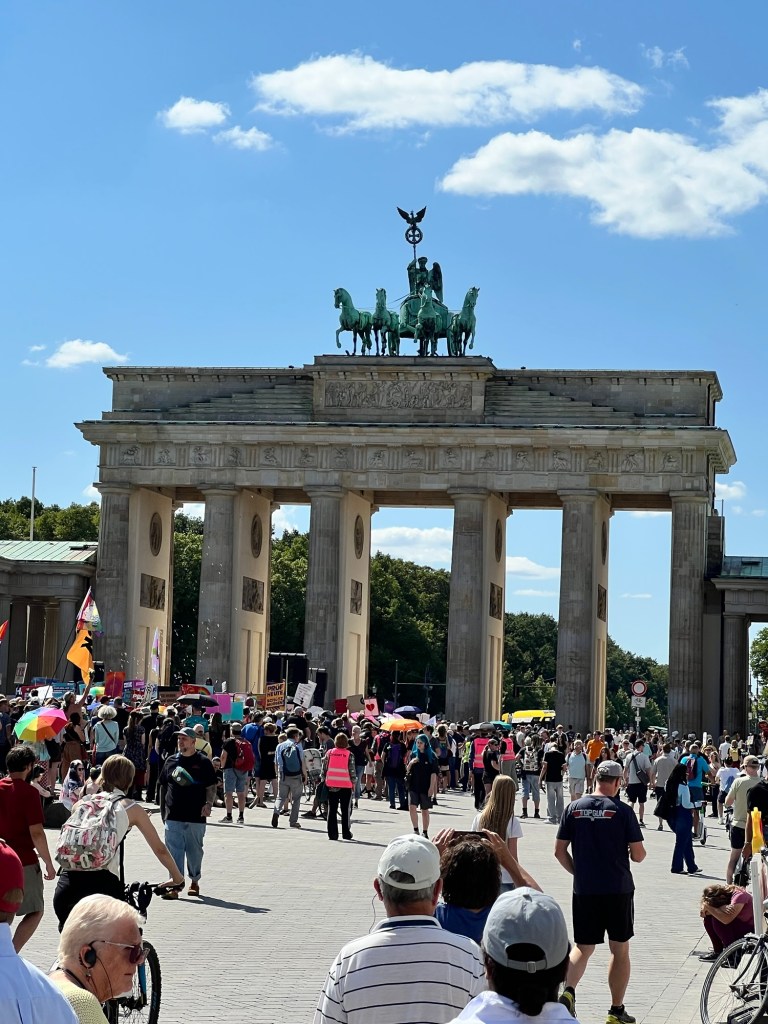
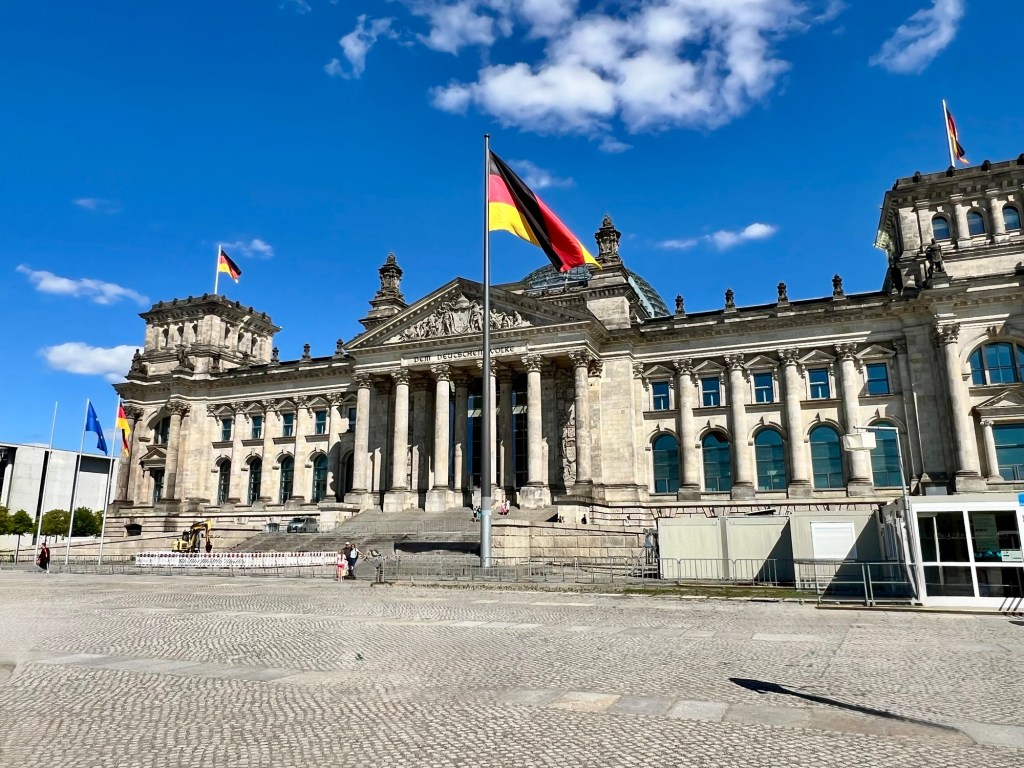
Yesterday we took an extremely long tour to Berlin, which as you probably know, is not on the ocean. We were in port at Rostock, which is about 142 miles from Berlin.  But Doug really wanted to see it, so we went for it.  It was whirlwind trip, but we did see the remains of the Berlin Wall, the Brandenburg Gate, the Allied Museum, the Reichstag, and Checkpoint Charlie, the best-known Berlin Wall crossing point between East and West Berlin during the Cold War.

The Berlin Wall has a complicated story, but the basics are that it was built because in the years after the war ended until 1961, about 2.5 million East Germans had fled from East to West Germany including rising numbers of skilled workers, professionals, and intellectuals. Their loss threatened to destroy the economic viability of the East German state. In response, East Germany built the wall to close off East Germans’ access to West Berlin and hence West Germany. The Brandenburg Gate is where President Ronald Reagan gave his “Tear Down This Wall Speech” on June 12, 1987. The Reichstag is a parliament building that played a major part in the onset of the war. Just four weeks after being appointed Chancellor, Hitler used the arson of the parliament building as a pretext to eliminate political rivals, suspend civil liberties, and seize absolute power. All short versions.

Our tour guide yesterday was Asaf, a German guy who was the king of digressive speeches.  He took so many detours from his main point that I think both he and everyone else on the tour forgot what his main point even was.  Asaf said that university is free in Germany, so he earned two Master’s degrees and then a PhD in Tourism.  Wait, you mean there’s such a thing as a PhD in Tourism?  Why yes, there is.  The annoying fellow traveler award went to Linda, the know it all who had been to Berlin before, and knew just enough German to butt in to Asaf’s digressive speeches and make him digress even more.   (I know, I digressed in my “Hamlet” thing, but at least I stayed in the general neighborhood.)

In case you are wondering, our cruise lasts from July 31st to August 18th, or 18 days, which seems like a really long time.  However, people stay on much longer.  For instance, the people in the suite next to us embarked on the cruise on June 29th in New York and they will be on the ship until September 18th when they disembark in Barcelona, Spain.  That’s 181 days.  There is no way in Hades I would want to be on this ship that long.  

As I mentioned, tomorrow we will be in Liepaja, Latvia.  

August 5, 2026–Scandinavian Serenade, Part 2:  Antwerp, Belgium to Amsterdam, Netherlands

We arrived in Amsterdam yesterday morning after spending two days in Antwerp.  I’m not sure why the powers that be named this cruise “Scandinavian Serenade” because half of our cruise has been in Europe and it’s not a serenade, it’s a journey. I guess to make it sound more exotic than a typical European cruise? I wasn’t quite sure what countries are considered Scandinavian, so I googled it:  Norway, Sweden, Denmark, Finland, and Iceland. We are going to Sweden, Denmark and Finland, so there you go.

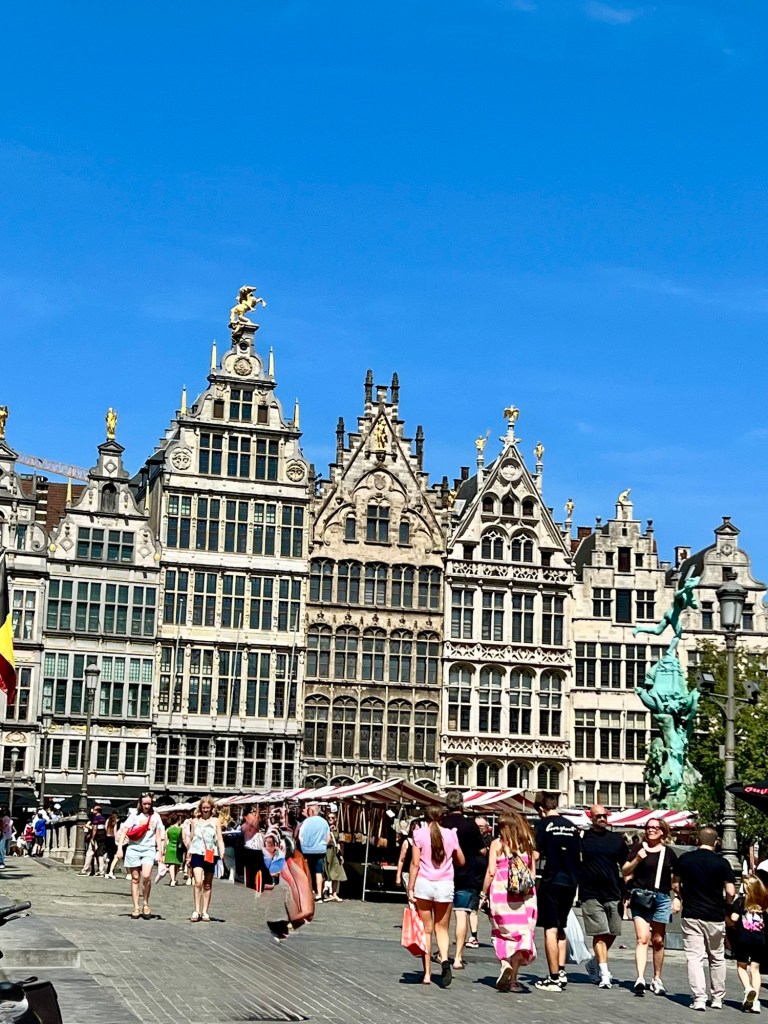
The first day in Antwerp we went on a tour of the city with Marcus, the testy Belgian tour director.  At the beginning of the tour, a couple of ladies were up in his grill asking a million questions and he finally snapped at them with “If I answer all your questions in any detail, we won’t be able to complete the rest of the tour.”  In other words, shut it.  I was kind of glad he said that because it was hot and they were asking dumb, totally googleable questions.  By now you are probably thinking, “Wow, Ann is the one who is testy.” Guided tours will do that to you.

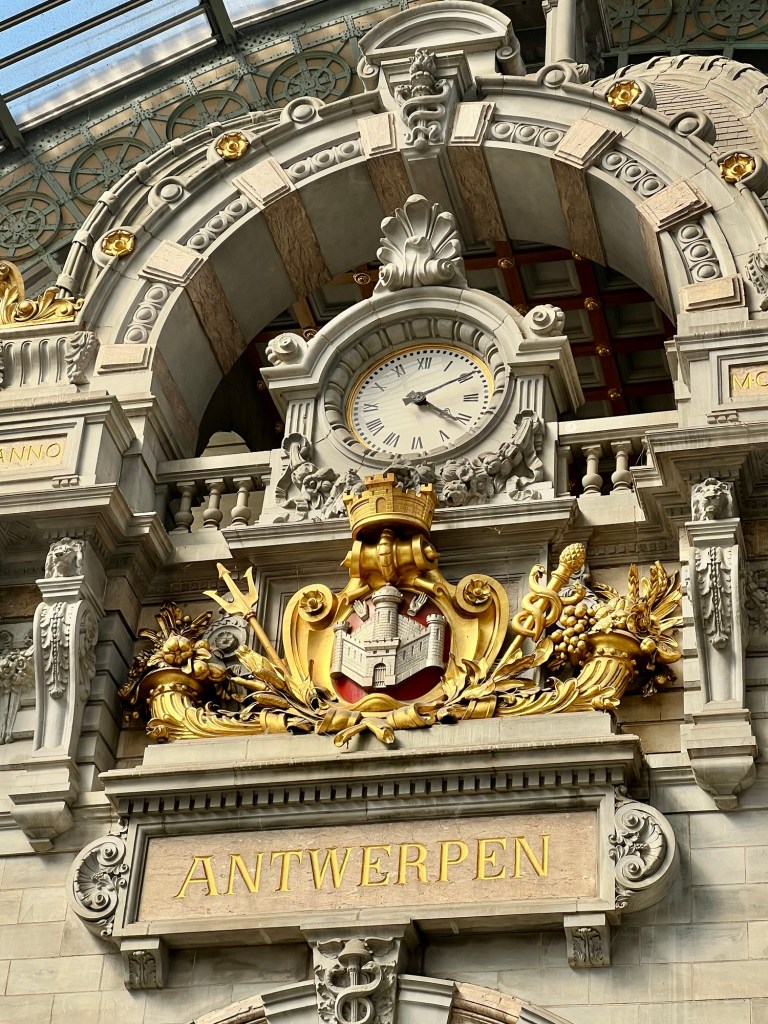
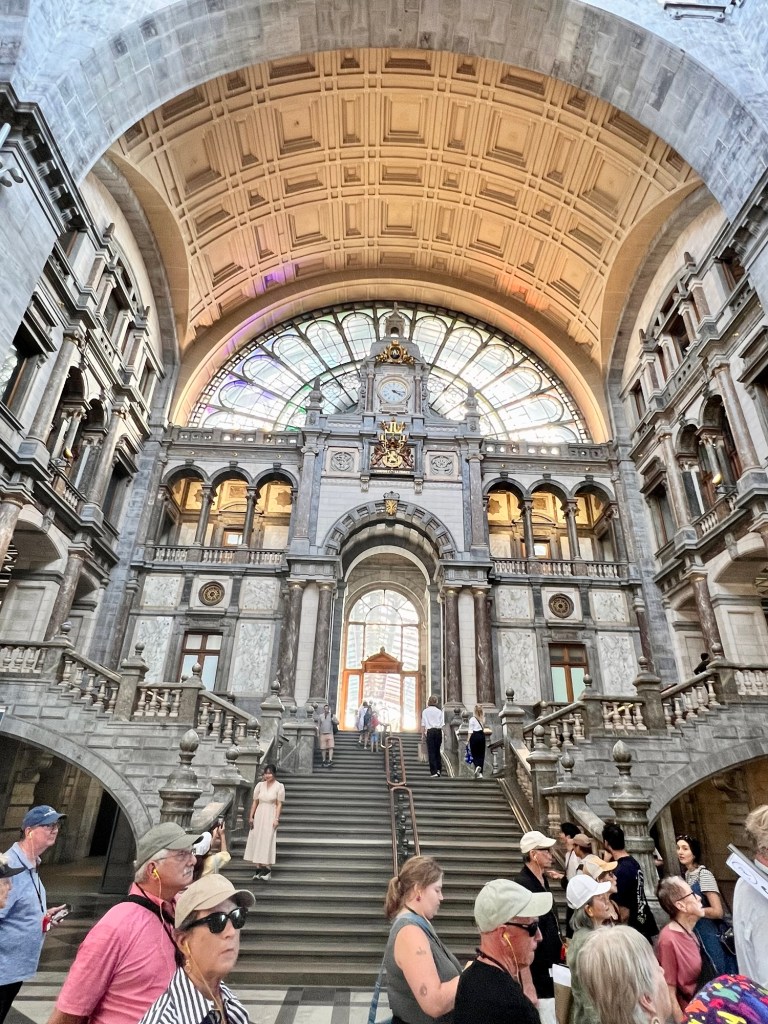
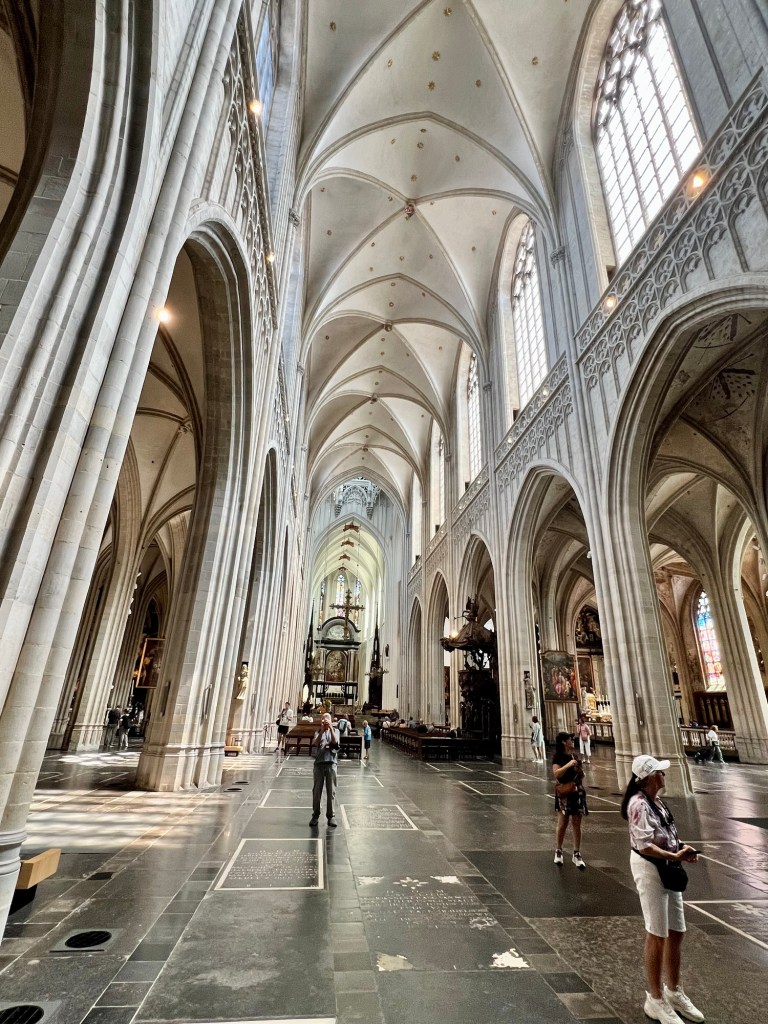
Antwerp is a large port city in Northern Belgium known for the Antwerp-Centraal railway station, a global diamond trade, and an artistic heritage tied to the works of Peter Paul Rubens, the Flemish Baroque painter.  Marcus showed us all of this, including the Cathedral of our Lady, where many of Peter Paul Rubens’ works are displayed.  It was a pretty interesting tour until Marcus got bogged down in the interpretation of Rubens’ paintings in minute detail.  Rubens’ voluptuous figures, Rubens’ vibrant shade of red, Rubens’ bold, dramatic brushstrokes. Uh, okay, Marcus, maybe take it down a notch.

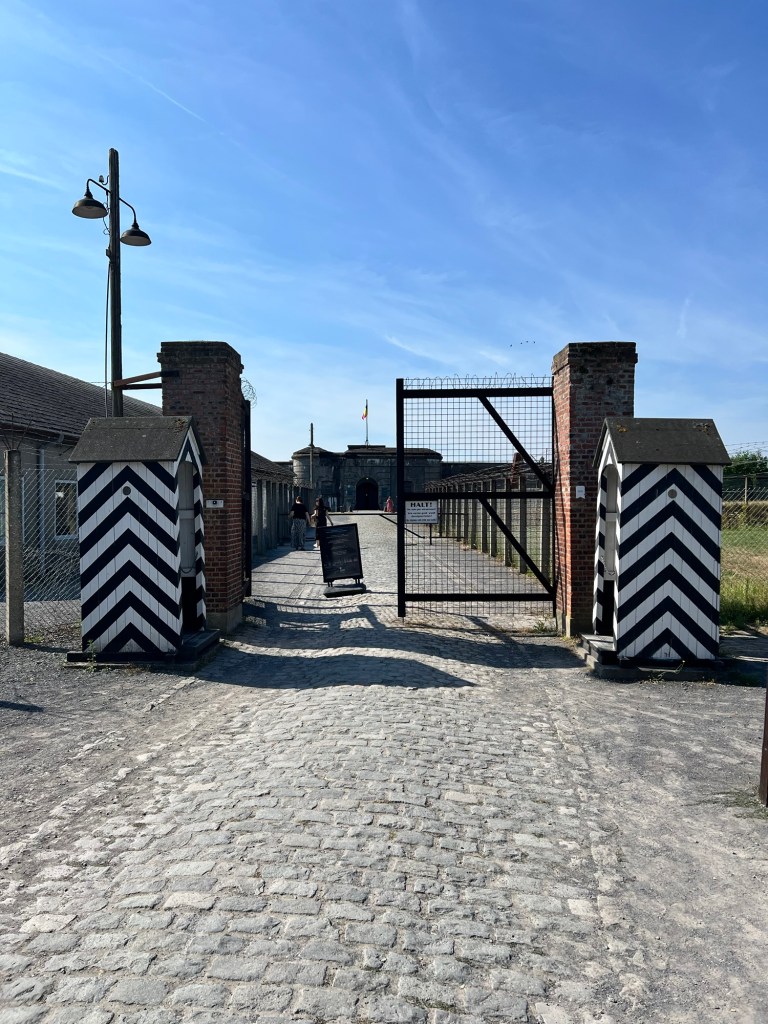
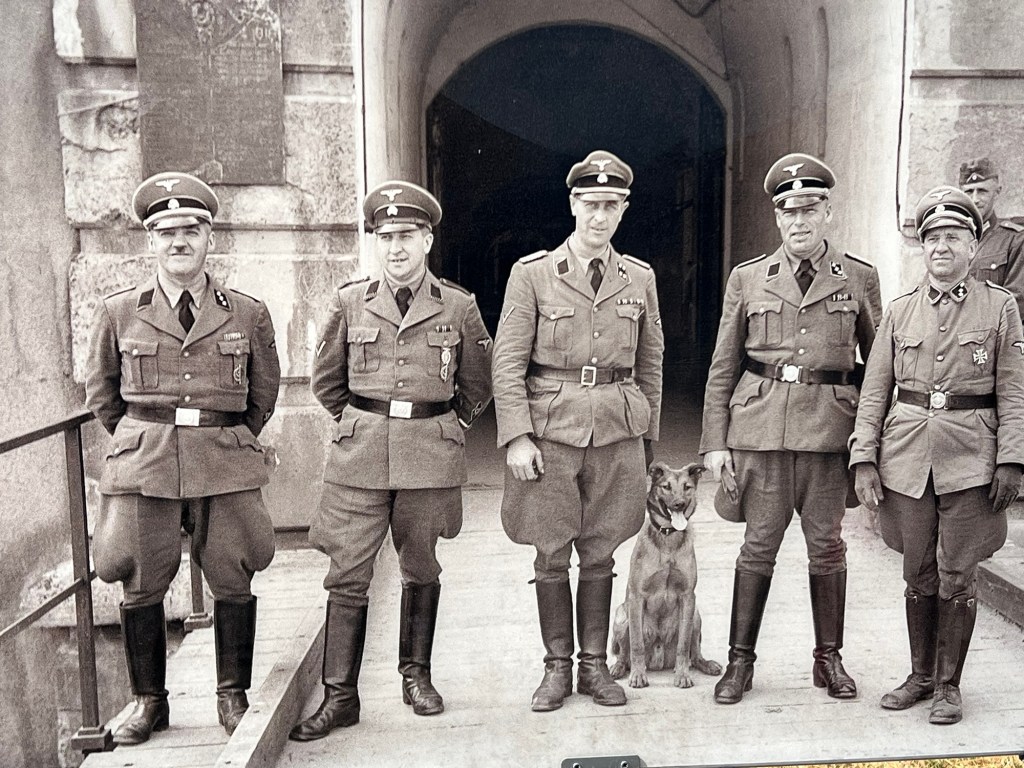
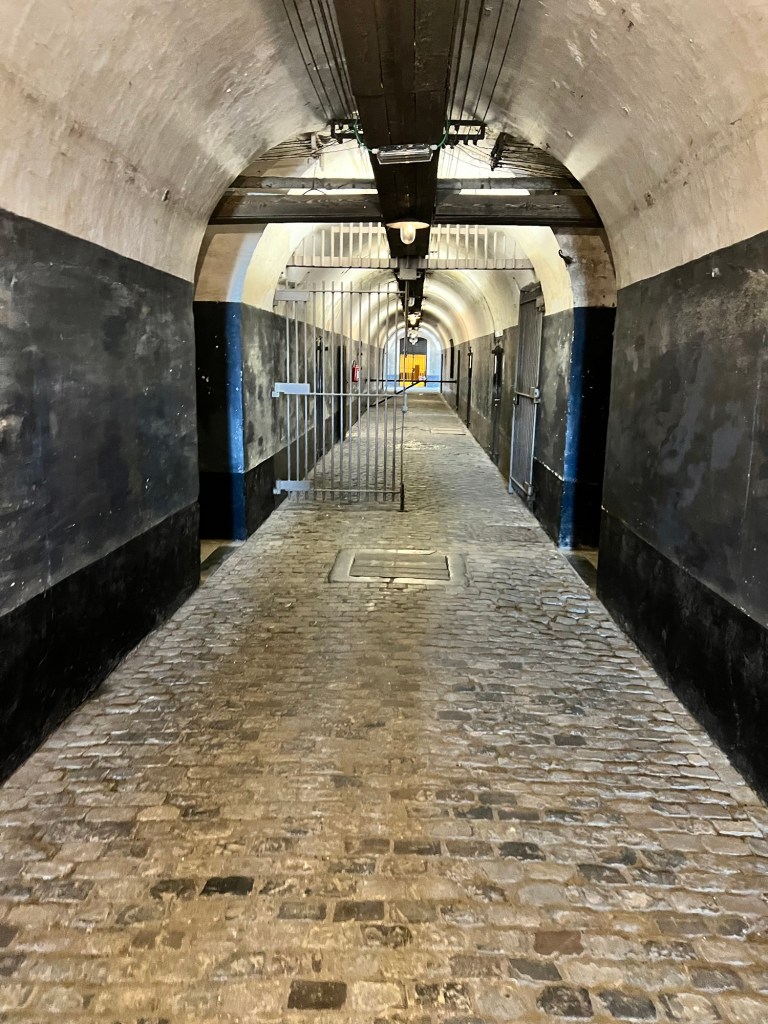
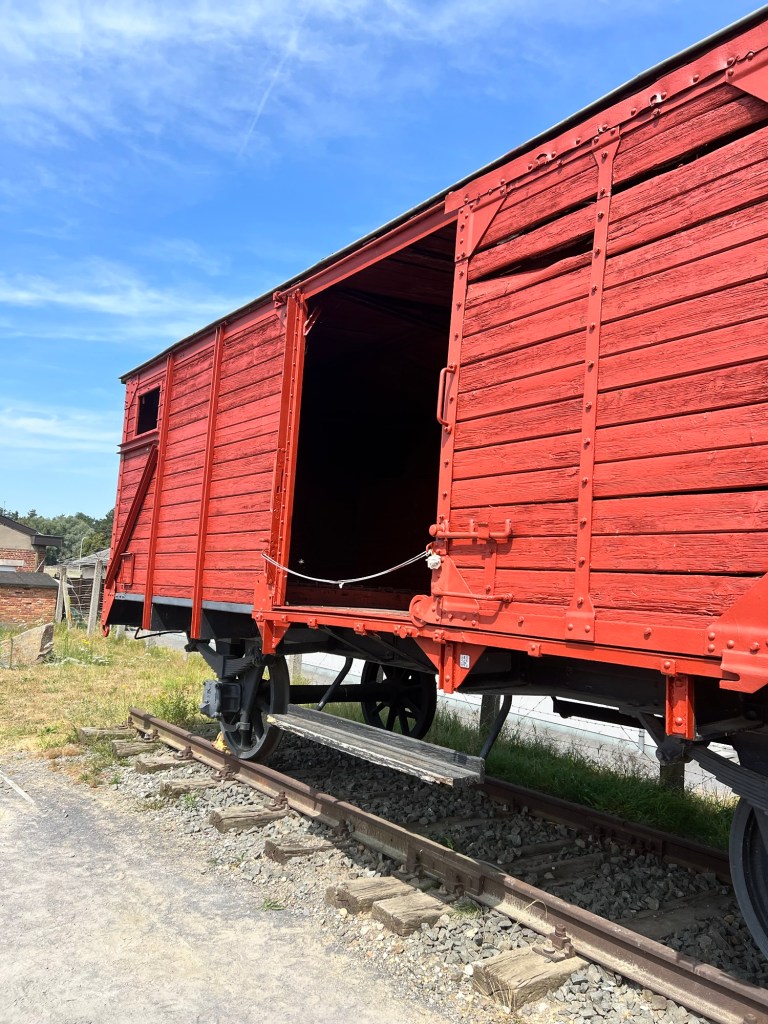
On the second day in Antwerp Doug went by himself on a tour of the Breendock SS Transit Camp, a Nazi prison camp from WWII.  I won’t go into detail here, because it has such a sad history, but if you are a WWII history buff, you might want to google it. Below are a few of the pictures Doug took, along with photograph of the SS agents who ran the camp.

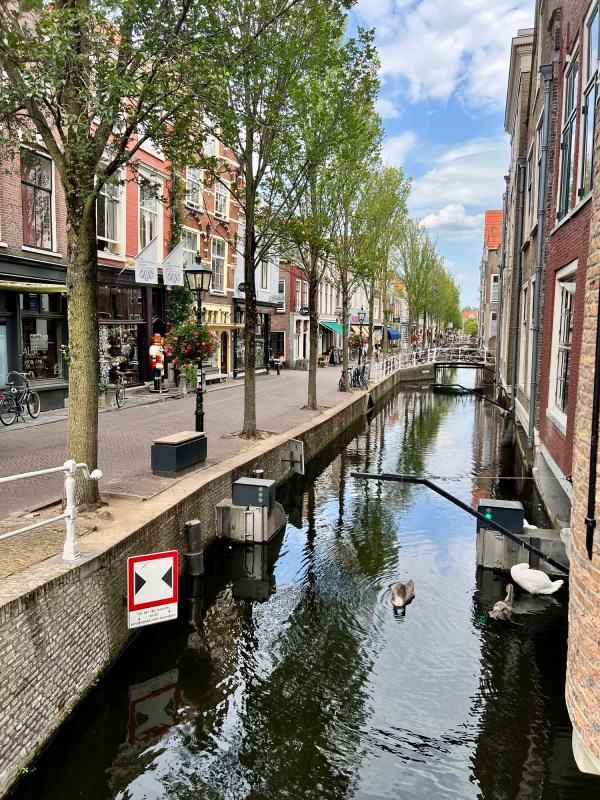
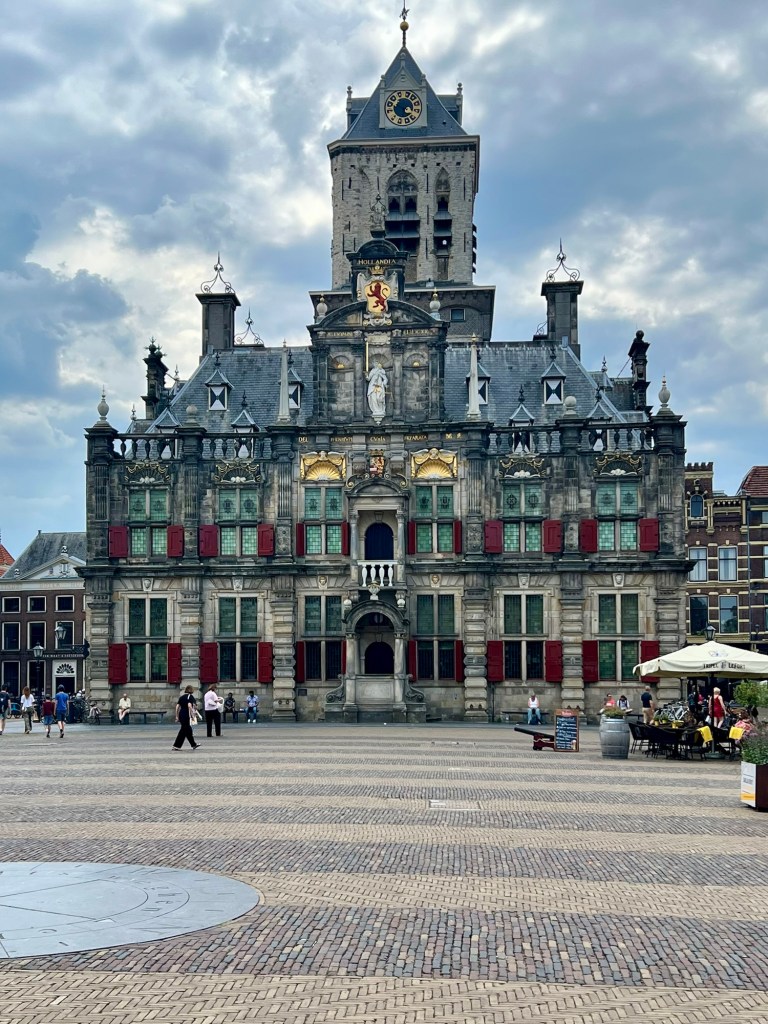
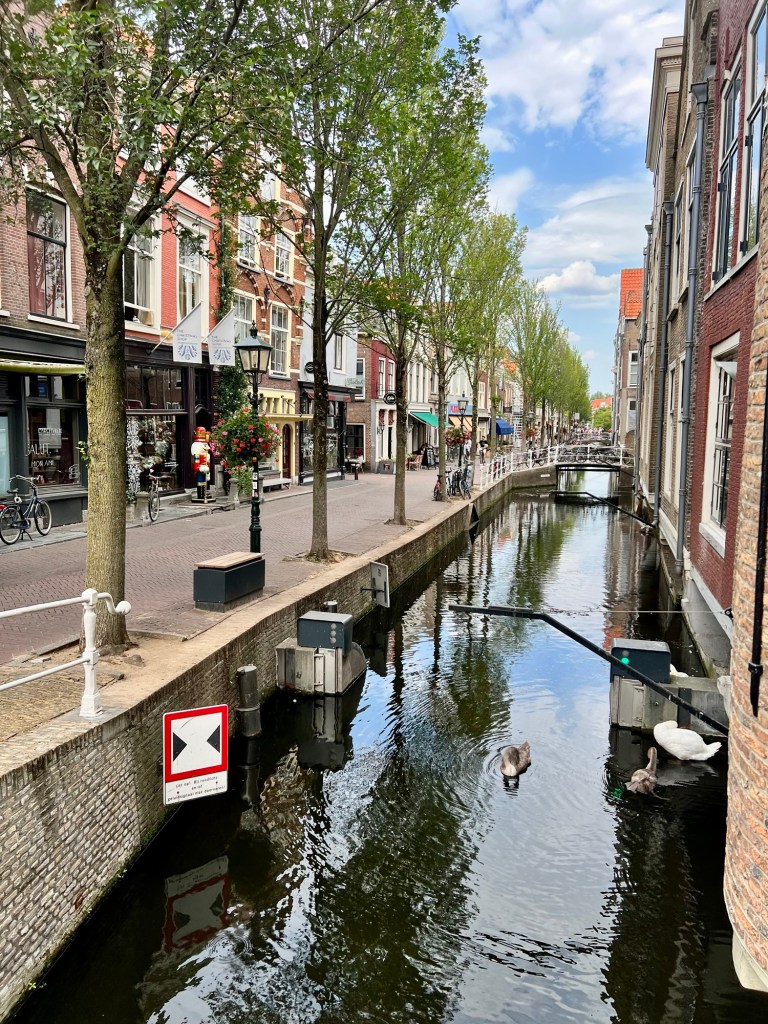
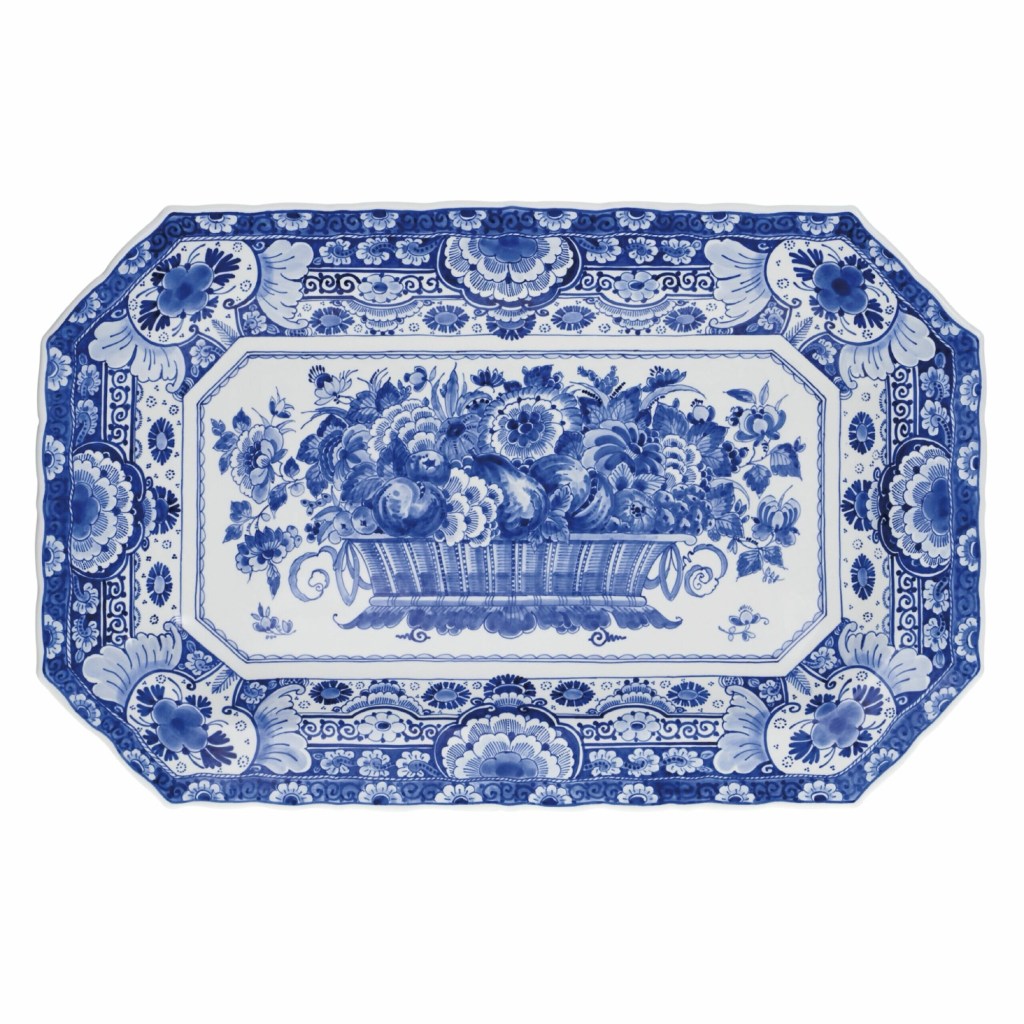
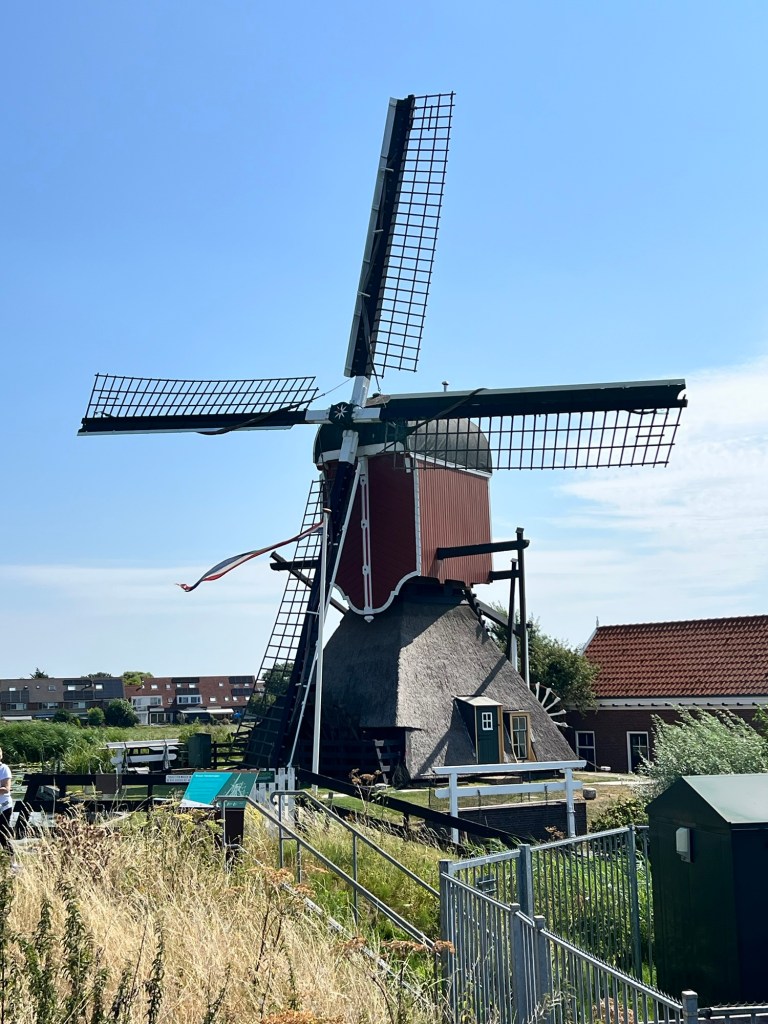
In Amsterdam we took a tour that seemed kind of weird at the outset: a countryside tour of windmills, the city of Delft, and The Hague. It was a long tour so I kind of dreaded it, but Delft was a beautiful little town with the Delft Pottery Works factory and a medieval town square with a church, federal building, and shops and restaurants.  Of the more than 30 pottery factories that were located in Delft and the surrounding area around the middle of the 17th century the one we visited, De Koninklijke Porceleyne Fles Delft, is the only one left.  We had lunch at a little outdoor restaurant called Het Konings Huy, where Doug ordered an Amstel beer. Amstel is brewed in Amsterdam but the waitperson, who was Dutch, said she had never heard of Amstel. Anyway, the tour turned out to be worthwhile. Sometimes a tour that is off the beaten path can be the most enjoyable because you see the countryside and towns that are more indicative of the actual way people live outside of the large cities.

Our cruise has roughly seven hundred people on board, with the majority being senior citizens, many of whom are single, often widowed.  For instance, when we flew into London we met a single widowed 80ish year old lady on the shuttle to the hotel who was going on the same cruise.  I sat by her and she talked my leg off, so I didn’t get a chance to ask her name—let’s call her Rosalind.  Anyway, Rosalind was nervous about going on a cruise by herself for the first time.  And I was a bit worried about her because we saw her in the hotel bar the first night, sound asleep on one of the banquettes.  Not to worry.  A couple of days ago at lunch we saw Rosalind cosily walking the deck with an older man and yakking her head off, so she has met a special friend after only four days.  It’s like the Love Boat around here.  I’m not sure how she hooked up with this guy, but they do have a Solo Travelers group who meet every night for drinks and dinner.  You don’t get Captain Stubing at your table, but you do get a nice young British woman who coordinates it and who has finally found the love of her life after several false starts.  I know, because I was sitting close by and I am an unabashed eavesdropper.  

By the way, WordPress is glitchy, so some comments I have received are anonymous.  I know all of the people on my list, so not sure how this happens, but if I don’t answer, that’s why.  Maybe just sign your name to your comments?  Stupid WordPress.  Tomorrow we will be in Lysekil, Sweden.  


August  1, 2026–Scandinavian Serenade, Part 1:  London, England to Honfleur, France

On Tuesday we flew into London, where we spent a couple of days sightseeing.  Then yesterday morning we were transported (I thought that sounded more elegant than bussed) to the Port of Southampton, where we boarded the Regent Seven Seas cruise called “Scandinavian Serenade.”  I know, dumb name but I think the Regent people were trying for an alliterative vibe and they missed the boat. (And I am not sure if I can stick with this idiotic title for the remainder of the cruise). Last night we crossed the English Channel and this morning when we woke up, we were at the mouth of the Seine in Honfleur, France.  

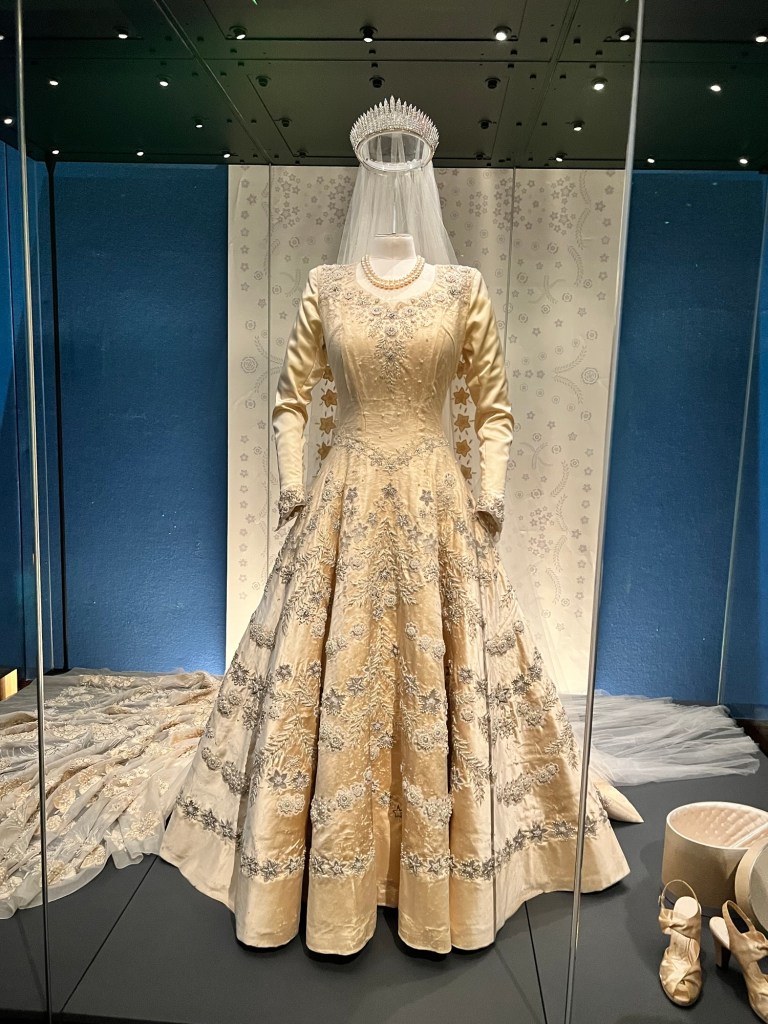
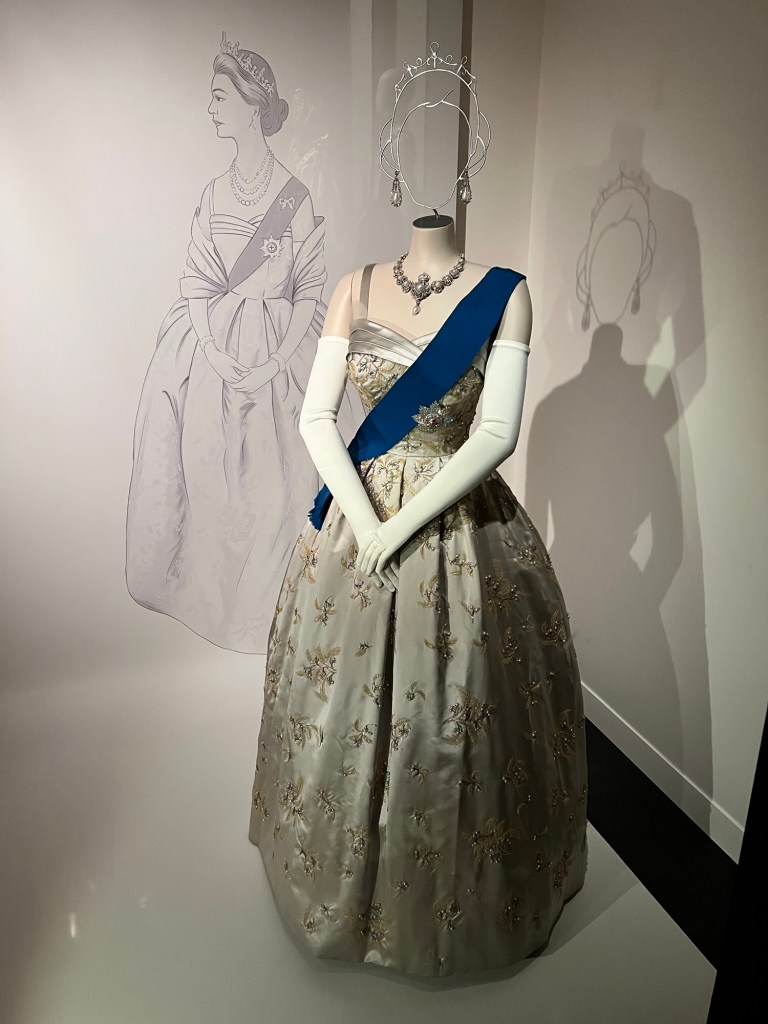
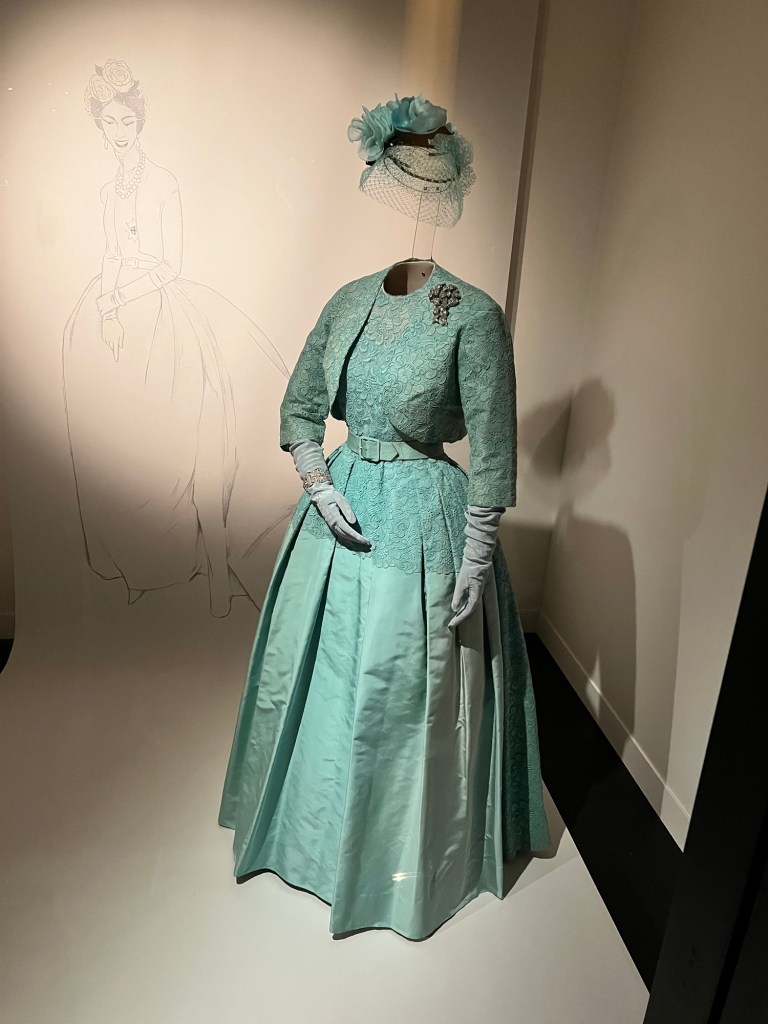
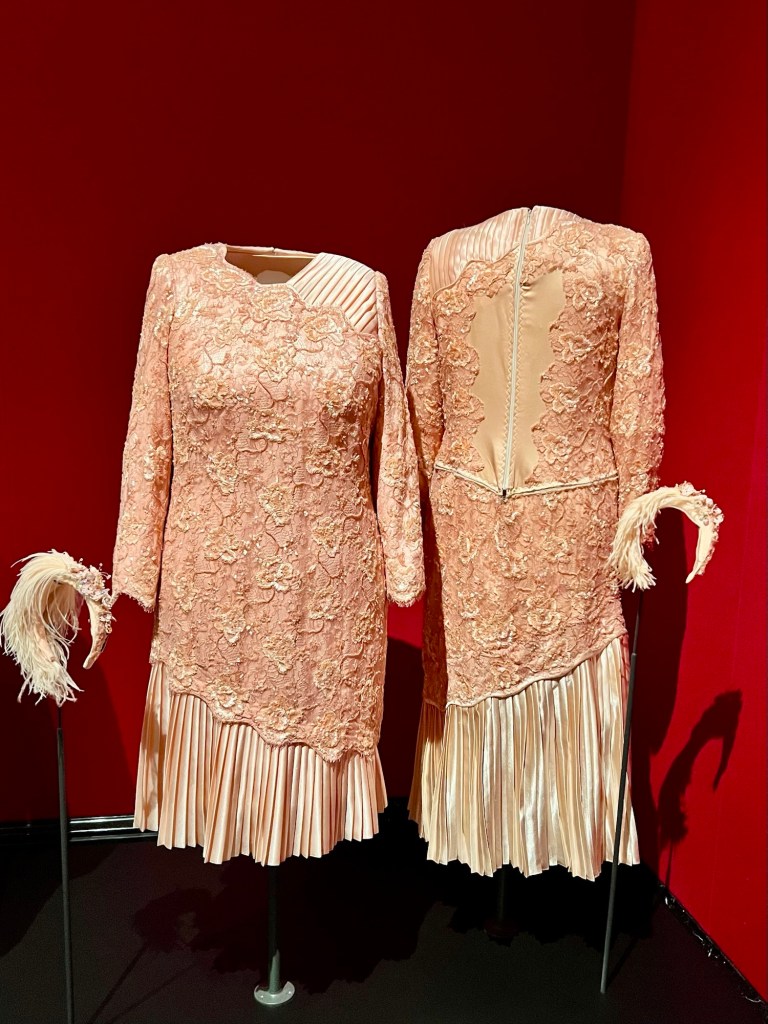
Since we had a couple of days in London before boarding the ship, I was excited to be able to see the exhibition, “Queen Elizabeth II:  Her Life in Style,” which is at Buckingham Palace this summer.  You might be thinking one of two things right now:  1.  Wow, Ann is a major nerd if she was dying to go to an exhibition of QE II’s clothing, and 2.  Did Queen Elizabeth II even have a style?  As for the first thing, I love period clothing so if that makes me a nerd, guilty as charged.  And yes, Queen Elizabeth had style.  When we think of her, it’s in her later years with the monochromatic pink coat, pink shoes, pink handbag and pink hat.  But when she was younger she was actually quite fashion forward.  And she was quite petite, by the way, not the matronly figure we now imagine. 

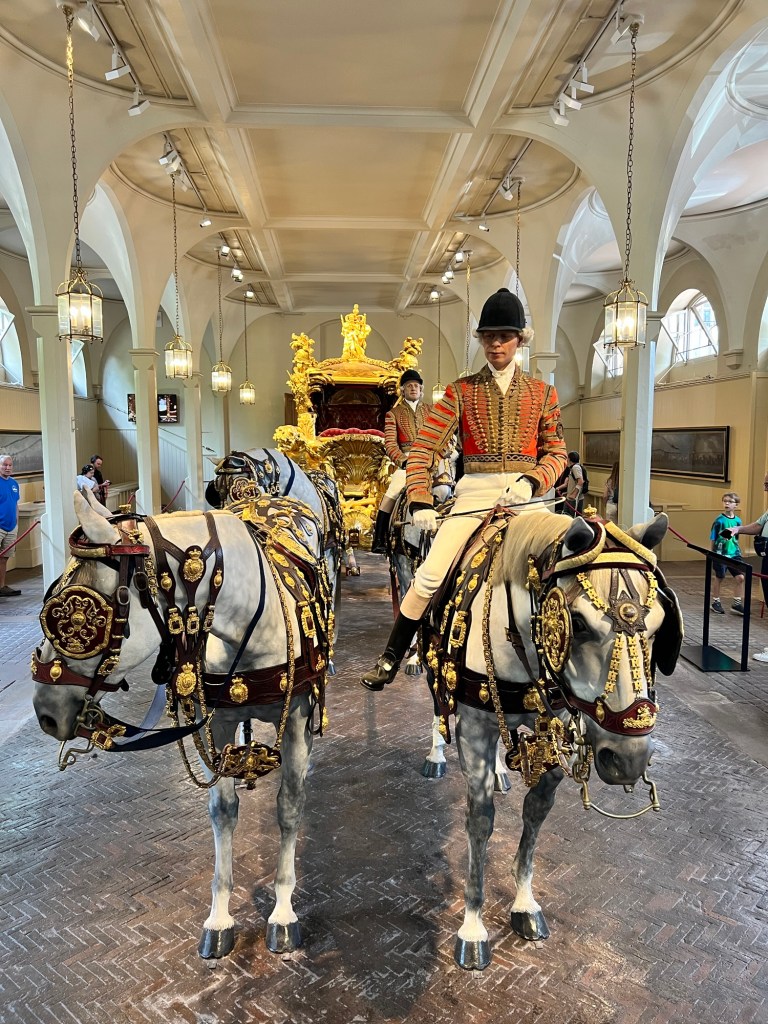
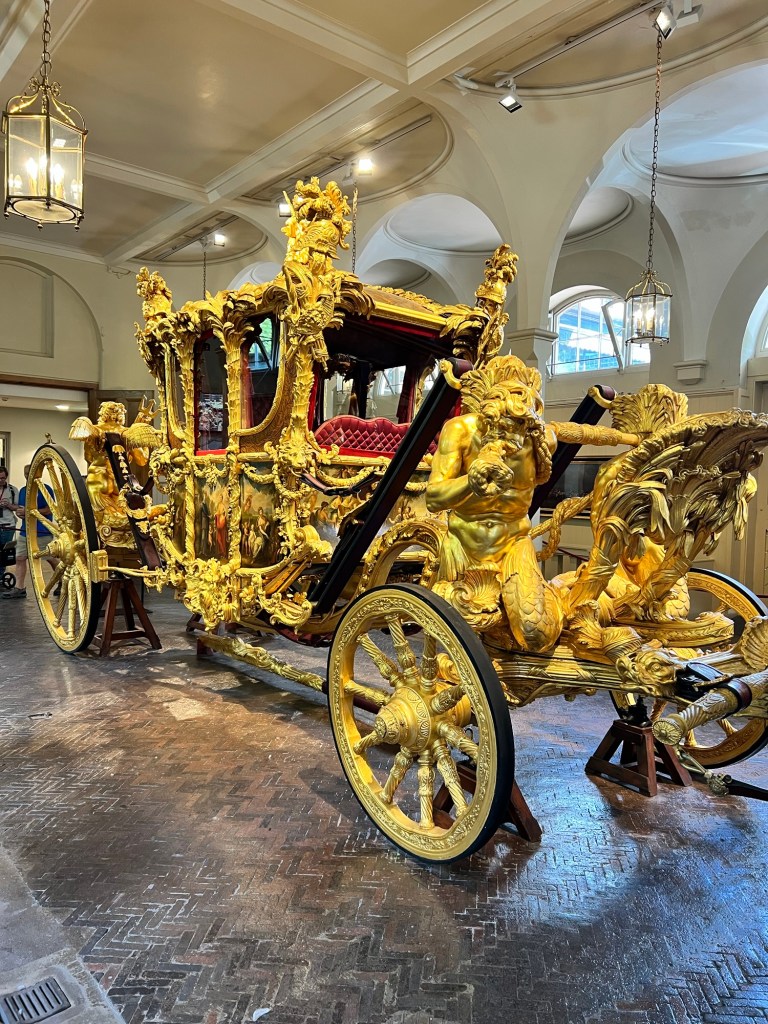
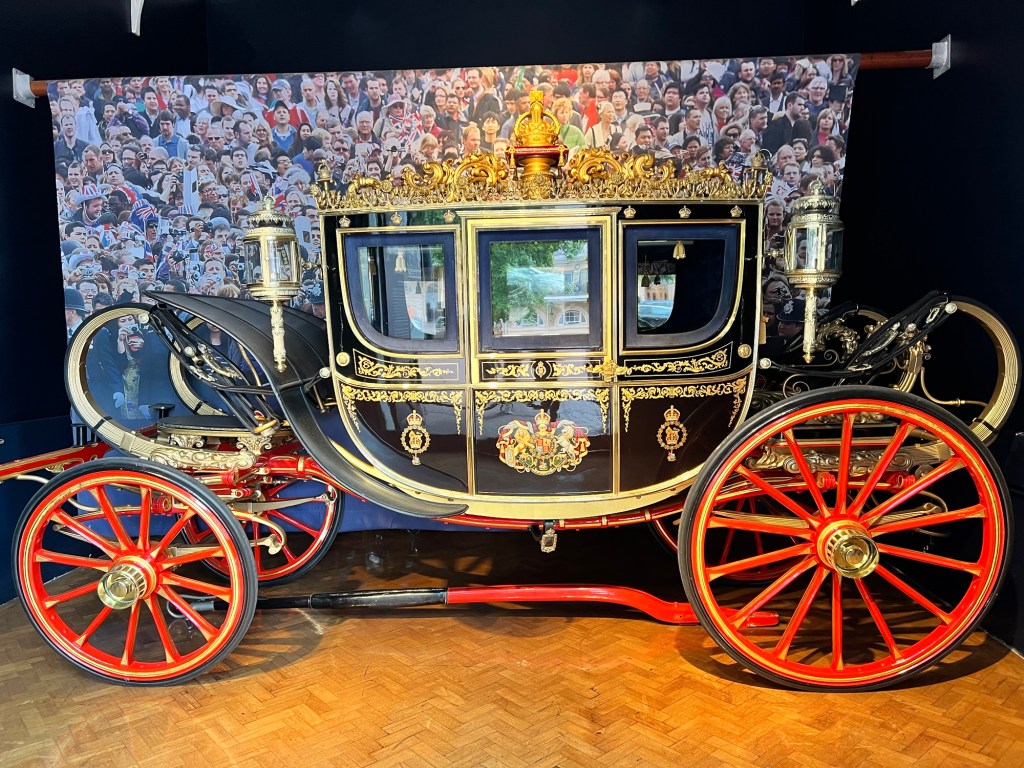
We also took a tour of the Royal Mews at Buckingham Palace.  The Mews is the working Royal transport headquarters that houses the sovereign’s historic horse-drawn carriages, state motor cars, and carriage horses.  The gold coach pictured below is the 260 year old Gold State Coach that has been used at every coronation since that of William IV.  It weighs four tons.  By the way, the horses and horsemen are statues. 

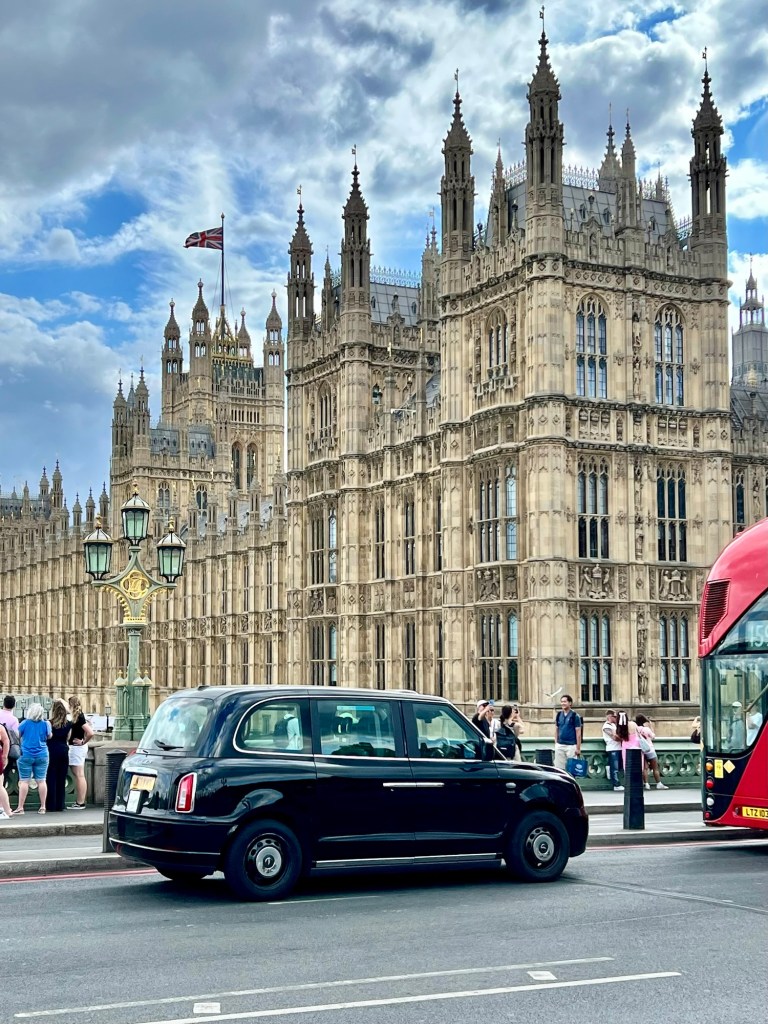
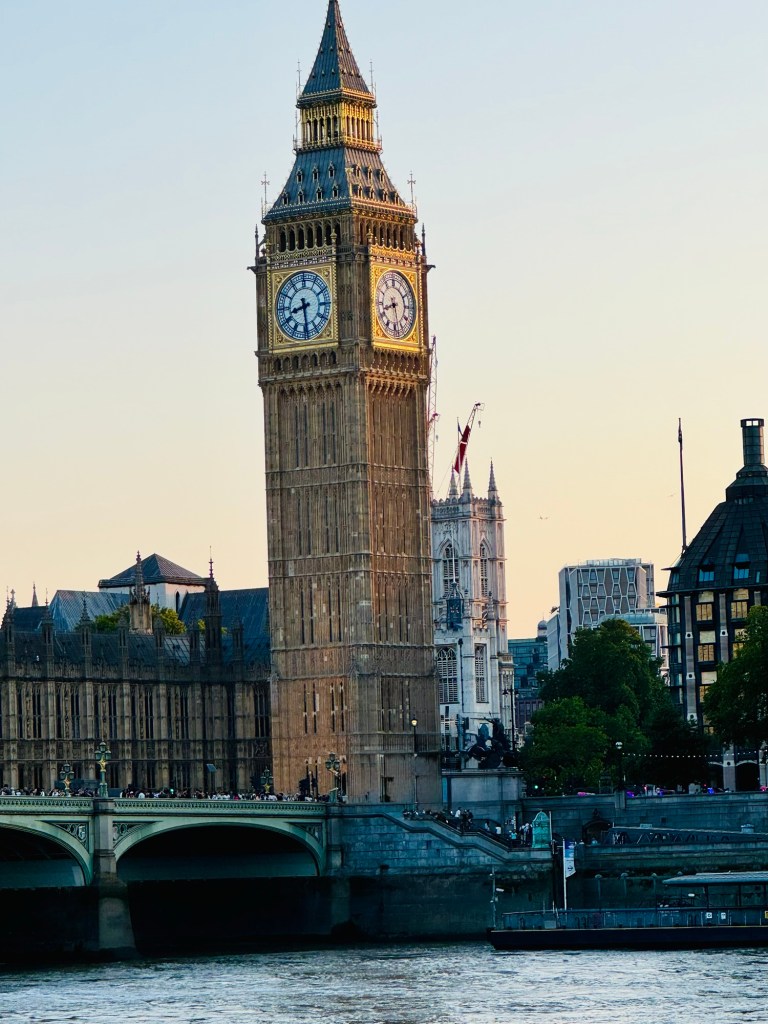
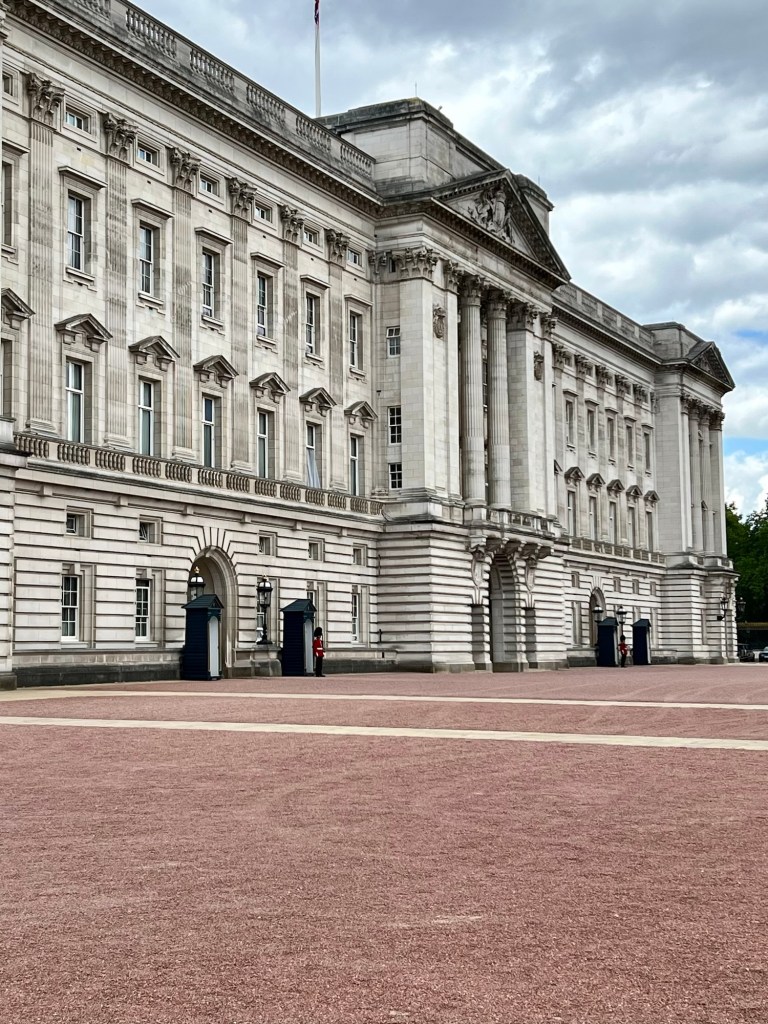
Other pictures from London:

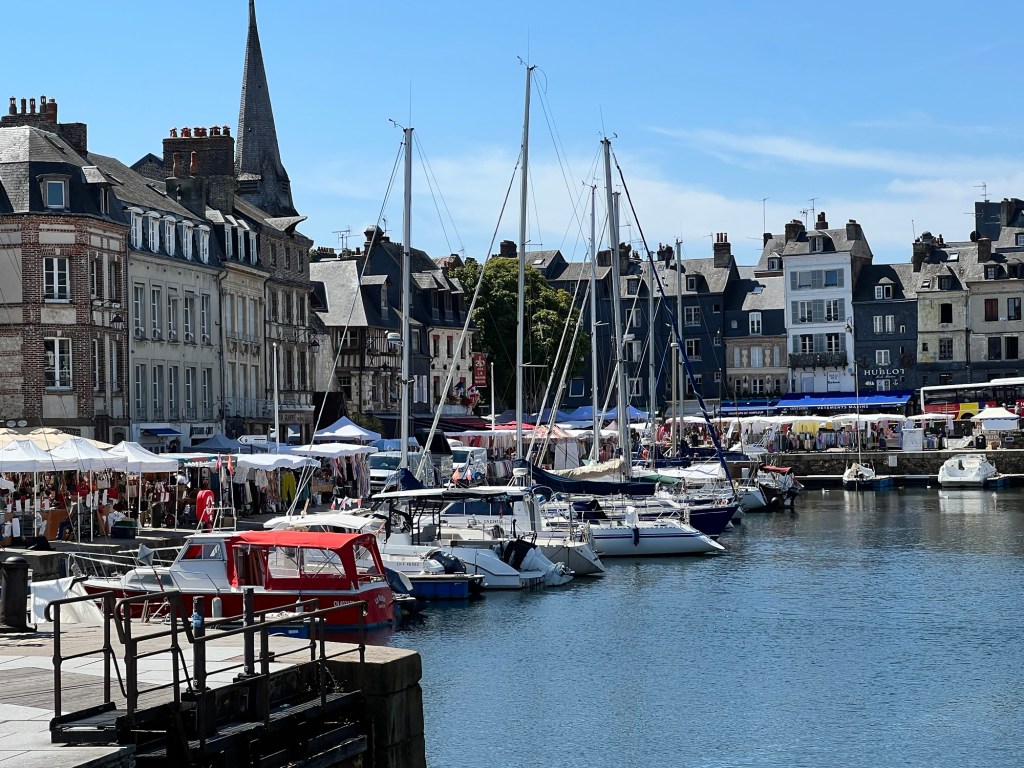
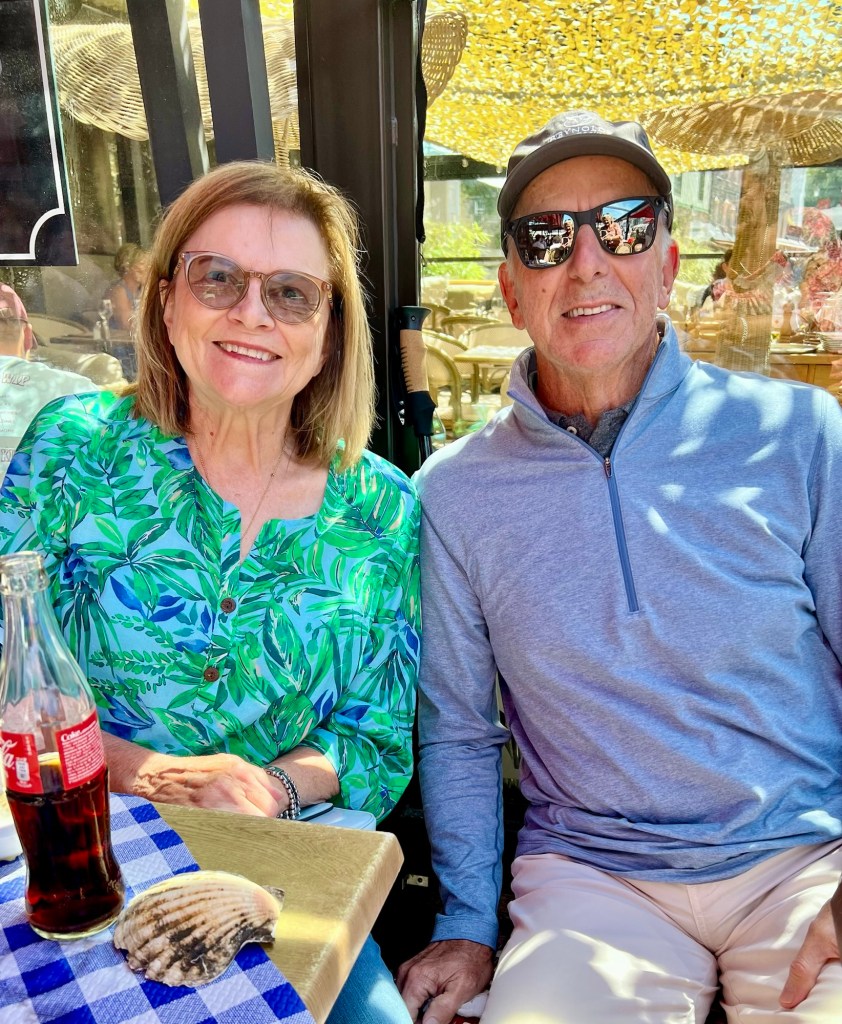
On our stop today in France there were several tours available, but we opted out because they all sounded exhausting.  One was called, “Paris on Your Own,” and involved getting up at the crack of dawn for a nine hour day. First a three hour bus ride to Paris where you were dropped off somewhere central (whatever that means) for three hours to explore on your own.  Then you got back on the bus for a three hour ride back to the ship.  Three hours to see Paris?  That’s insanity.  So, we stayed in Honfleur, where we spent a leisurely afternoon walking around, shopping, and stopping to eat crepes at a sidewalk cafe.  Honfleur is a historic port town in Normandy, famous for its Vieux Bassin (Old Harbour). If you think Doug’s sunglasses are weird, as I did, he informed me they are Oakleys.

It’s still too early to tell if we will meet cruise friends or cruise enemies (well, not enemies exactly, but at least cruise antagonists).  And anyway, cruise friends are like a summer romance: they bloom and fade.  I will keep you posted on that front. Tomorrow we will be in Antwerp, Belgium.  

June 18, 2026–Wild, Wild West Expedition:  From Moab to Glenwood Springs to Colorado Springs

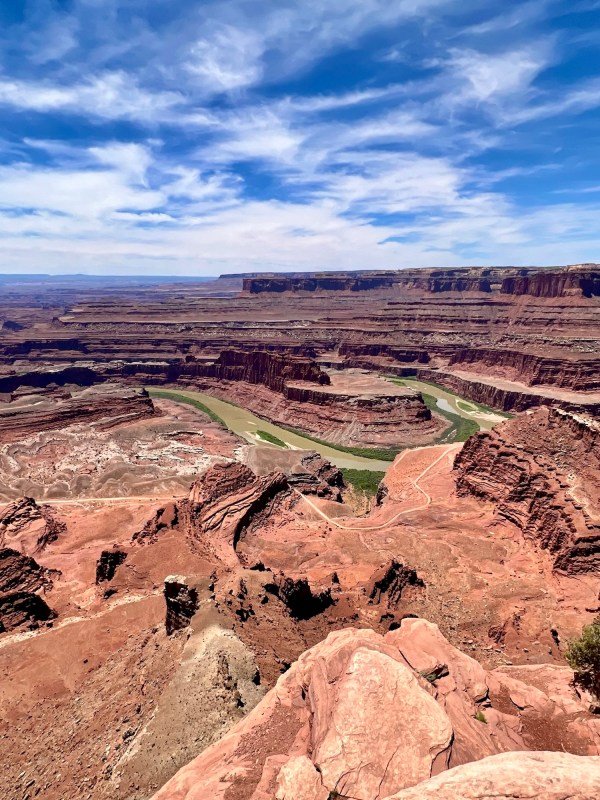
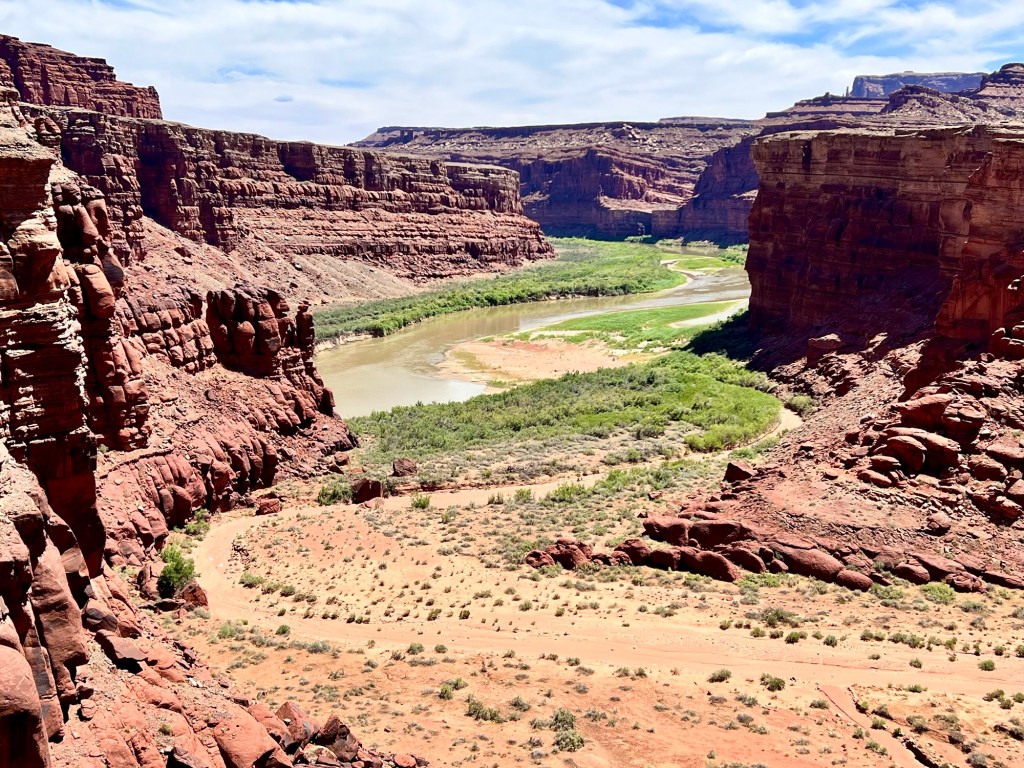
On Monday we moved on from Moab, Utah to Glenwood Springs, Colorado.  After that we were going to do a couple of nights of boon-docking, as they call it in the RV biz.  So no hookups or WiFi, but Vanna has WiFi, so no problem. Unfortunately, the Vanna WiFi quit working exactly one week after we left home.  To reset it, Doug has to climb up on a tall ladder and get on top of Vanna to push the reset button.  Not only is this dangerous, but Vanna doesn’t have a place to haul a tall ladder around the country.  Absolutely moronic planning back at the Leisure Travel Van factory.  So we spent one night and I said, “Yeah, right, I have had enough of boon-docking,” and we came on over to Colorado Springs yesterday.  No pictures of the ill-fated boon-docking, but a couple more of Moab.

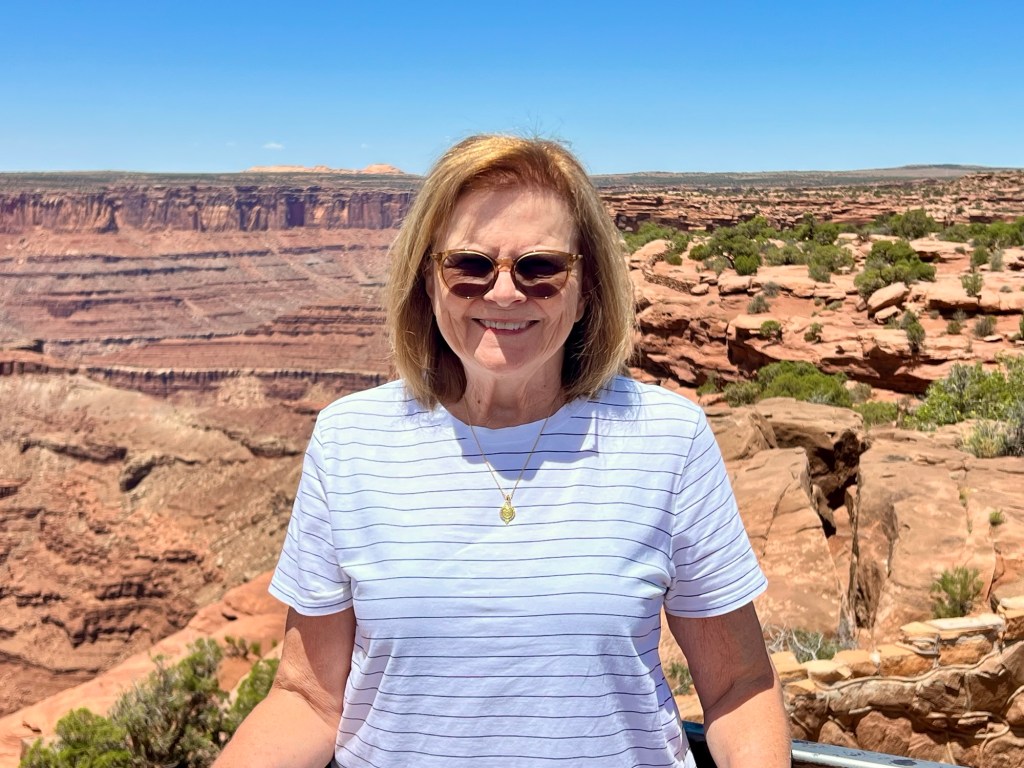
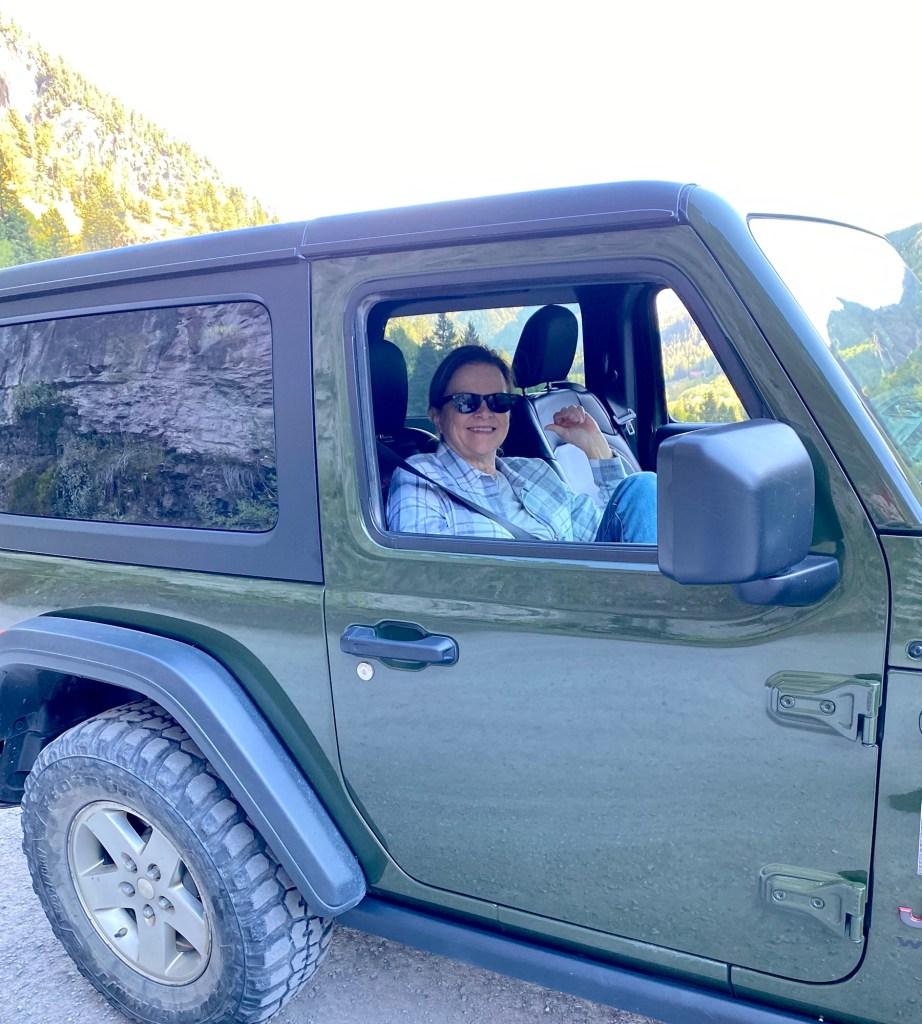
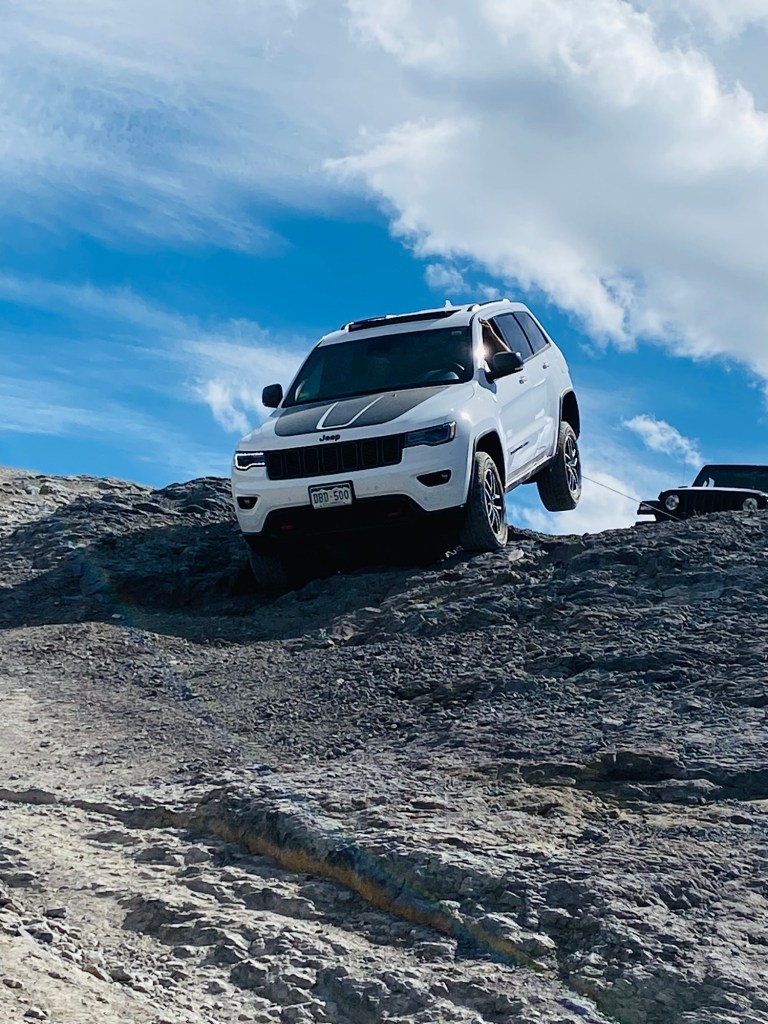
And I do have to redeem Doug regarding the high-centered jeep on the top of Imogene.  That was not our jeep.  We were taking the picture of another jeep that should never have been on Imogene because it wasn’t high clearance.  But Doug did trick me into going up there.  When we rented the jeep and said we were going up Imogene, I said clearly that I had been up Imogene and did not care to go back.  He said that I had not because he had only been up there with his brother Terry.  Well, I knew better, but he kept insisting I had not been there and I caved.  That, my friends, is called gaslighting.  Here’s a picture of the jeep we were actually driving.  I still look happy, so maybe it was at the bottom.

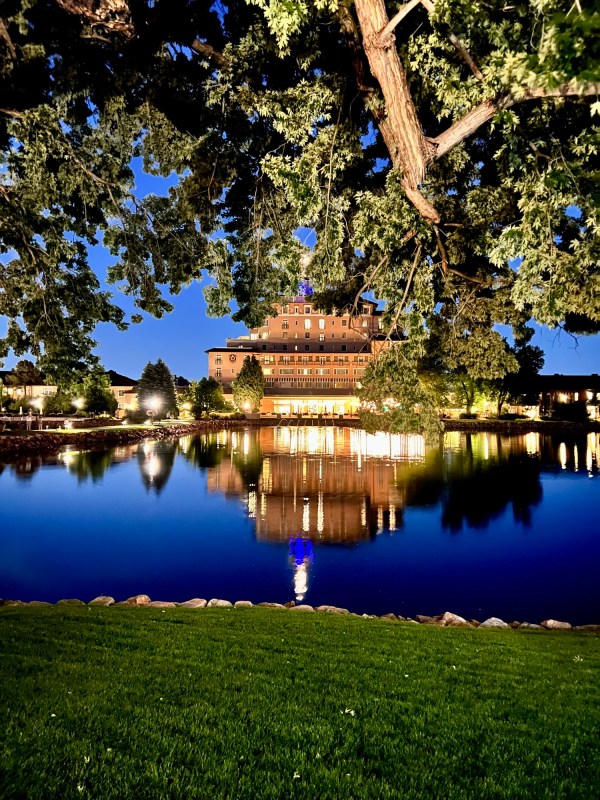
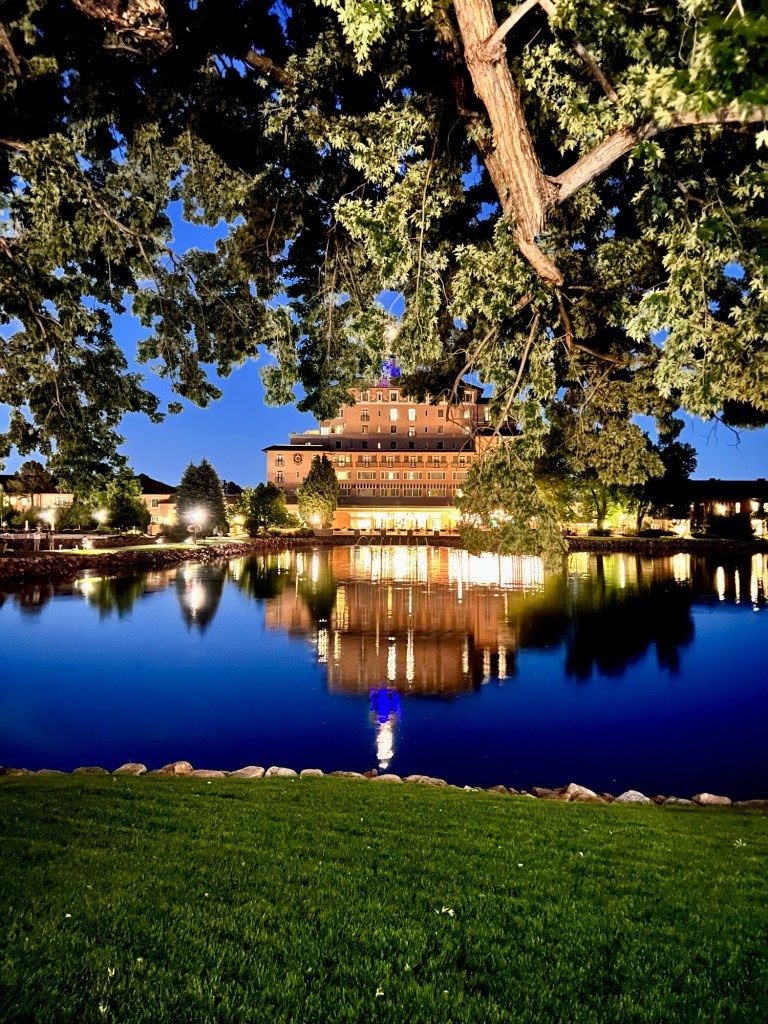
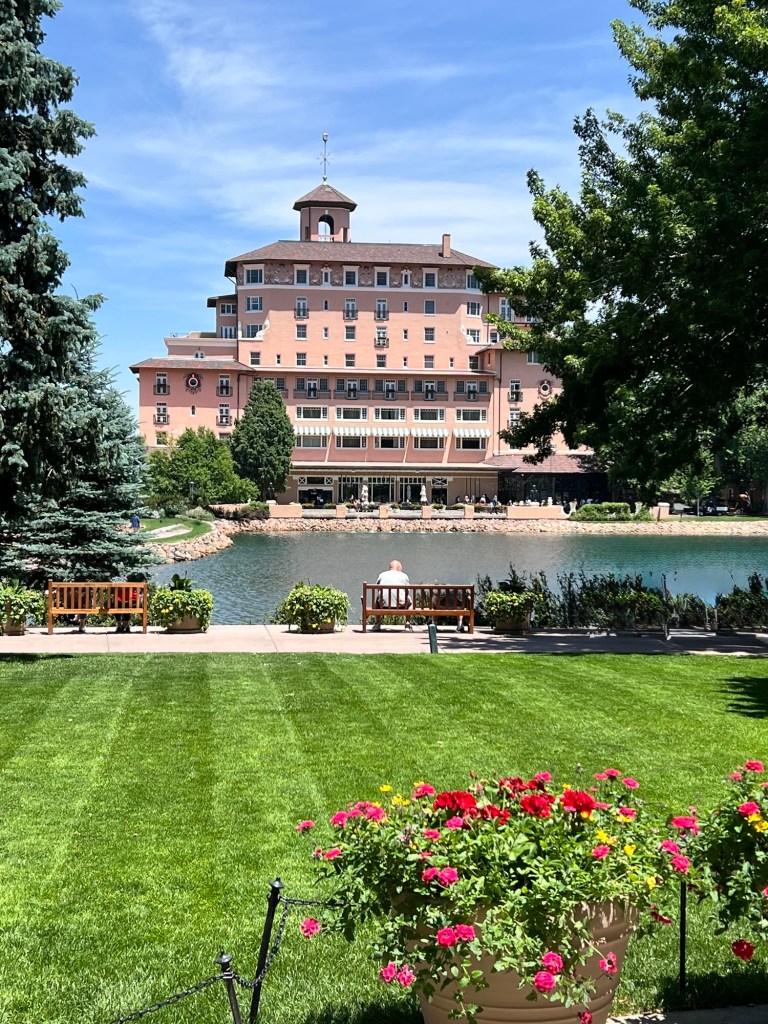
Anyway, back at the Broadmoor.  The Broadmoor was built in 1918 by the oil tycoon Spencer Penrose.  It sits at the foot of Cheyenne Mountain in Colorado Springs.  Absolutely stunning place.   

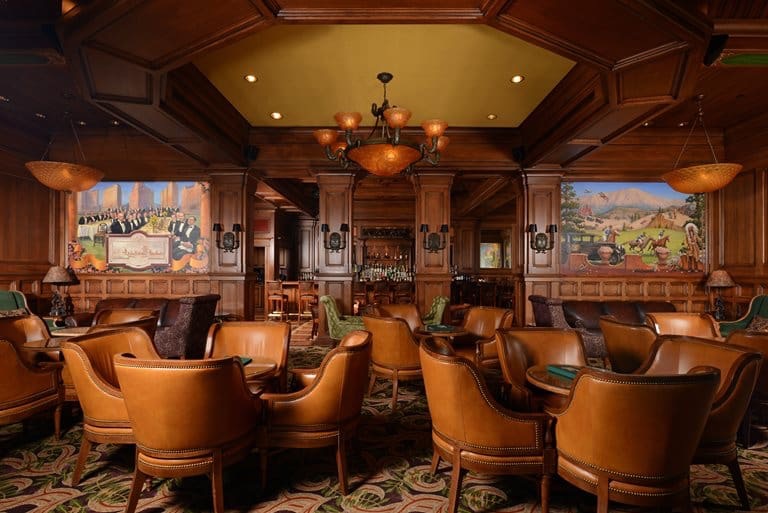
In 1920, Penrose invited about sixty wealthy hoteliers for a paid two week stay at the Broadmoor.  This group was dubbed the Hundred Million Dollar Club because that was their approximate net worth at the time (all sixty of them. Different times). Since most of them were from the east coast, Penrose paid for their train fare cross country.  This was during Prohibition, so he advised each man to bring five bottles of their favorite cologne, a euphemism for liquor at the time.  Penrose commissioned a special railroad car for the liquor, with the outside marked: “Flammable:  Gasoline.”  (When I read that I had to think what if some poor guy thought cologne really meant cologne and ended up sitting there reeking of some smelly stuff while having to watch everyone else sip fine bourbon for the next two weeks.). Anyway, at the original hotel bar where the group met there are several giant murals on the walls depicting the club.  Here are two of them in the room we ate dinner in last night (not my picture).  In the one on the right the men are playing polo, one of the activities.  

So this is probably it for now.  I’m blogged out and we are headed home on Saturday.  Traveling is fun, but it can also be tiring and inconvenient.  Yesterday afternoon when we arrived, it was 100 degrees.  Literally.  We pulled up at this nice hotel in Vanna, looking hot and bedraggled.  Doug explained to the bellman that our luggage was kind of strange because we had been in a travel van.  The bellman did not seem concerned, but I knew how Doug felt.  What are these RV people doing here with their mix of logoed nylon bags (not me) and free range hanging clothes?  But, hey, it’s America, and most Americans are fairly nonjudgmental about how you got here or what you have on when you arrive.  They just valet park your travel van and mind their own business.  I like that.  

June 13, 2026–Wild, Wild West Expedition:  Moab, Utah and Learning Your Limitations

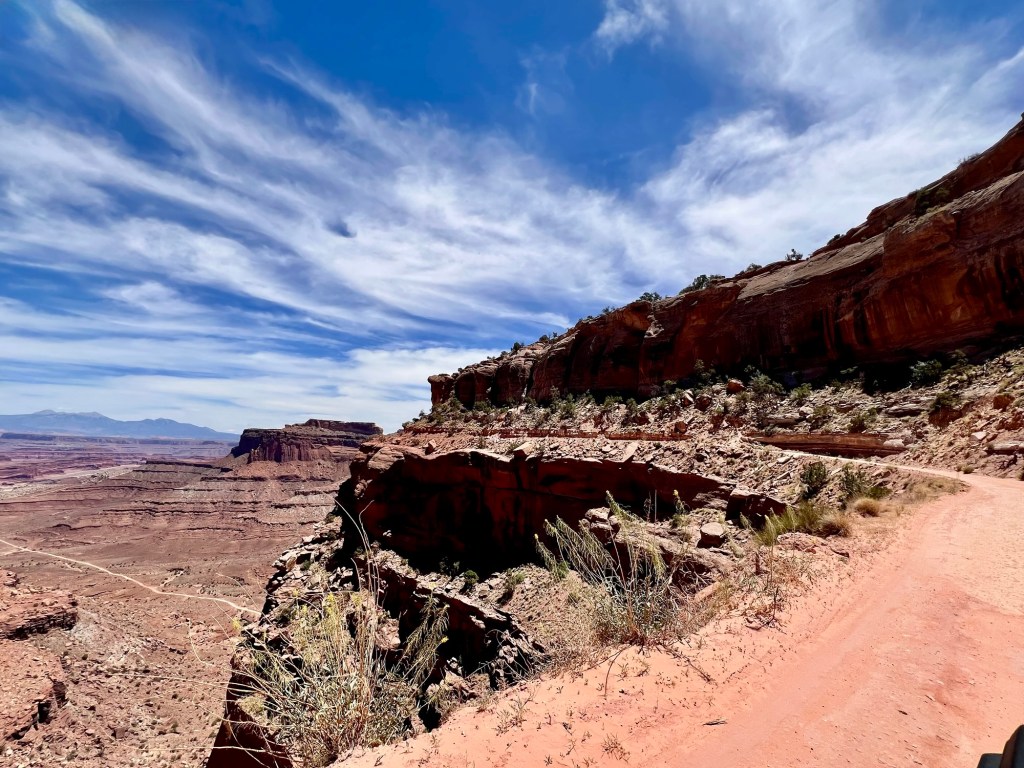
Well, it is official.  My off-road jeep days are officially over.  I’m turning in my Yeti cooler and rubber ducks (you might have to look the rubber duck thing up).  We rented a jeep when we got here on Thursday, so we could take some easy off road trails.  The trails around Moab are marked “Easy,” “Moderate,” “Difficult,” and “Extreme.”  The rating system was created by the local Red Rock 4 Wheelers Club:  Easy (1-3) is okay for high clearance vehicles and SUV’s; Moderate (4-6) requires high clearance 4WD vehicles; Difficult (7-8) requires heavily modified 4WD vehicles with large tires and locking differentials (whatever that means);  Extreme (9-10) are for expert drivers in specialized tough rock buggies.  Note:  Expect vehicle damage and 36 inch drops.  Yikes!  

So yesterday we took our jeep out on Schaffer Trail, which is rated “Easy.”  Remember, the Easy rating is 1-3.  So you can get a 1, 2 or 3 at different times and none of it is the promised “Easy.”  To sum up, it is still fun to do something when you cannot wait until it ends?  Like the kayak ride we took in the Bahamas with the cold, salty sea water slapping me in the face with every wave?  Or the ferris wheel ride I took with my younger brother Don at the Missouri State Fair in about 1964 when Don had just started on his favorite thing, a huge multi-colored cotton candy cone when it started to rain, leaving him crying brokenheartedly about the melty mess for the entirety of the ride, with both of us covered in rainbow colored goo?  

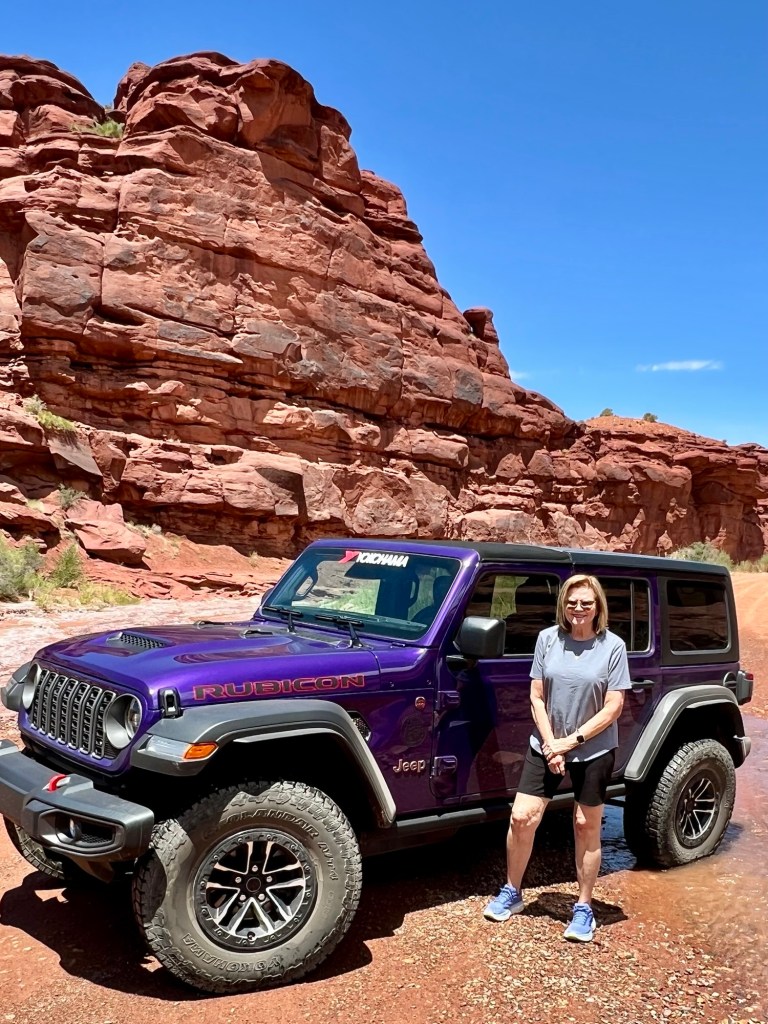
Anyway, this entire rant brought on by Shaffer Trail, which we were on two years ago when we were here.  Too rough, too scary, too long.  I have crossed the rubicon.  And Rubicon takes on a double meaning in the pictures I have grudgingly added below:  

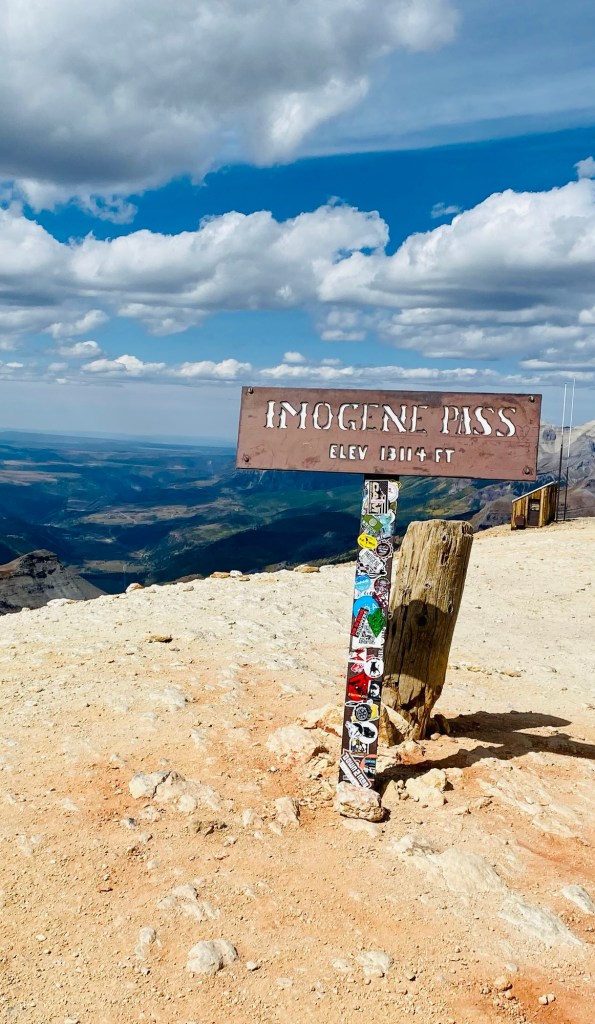
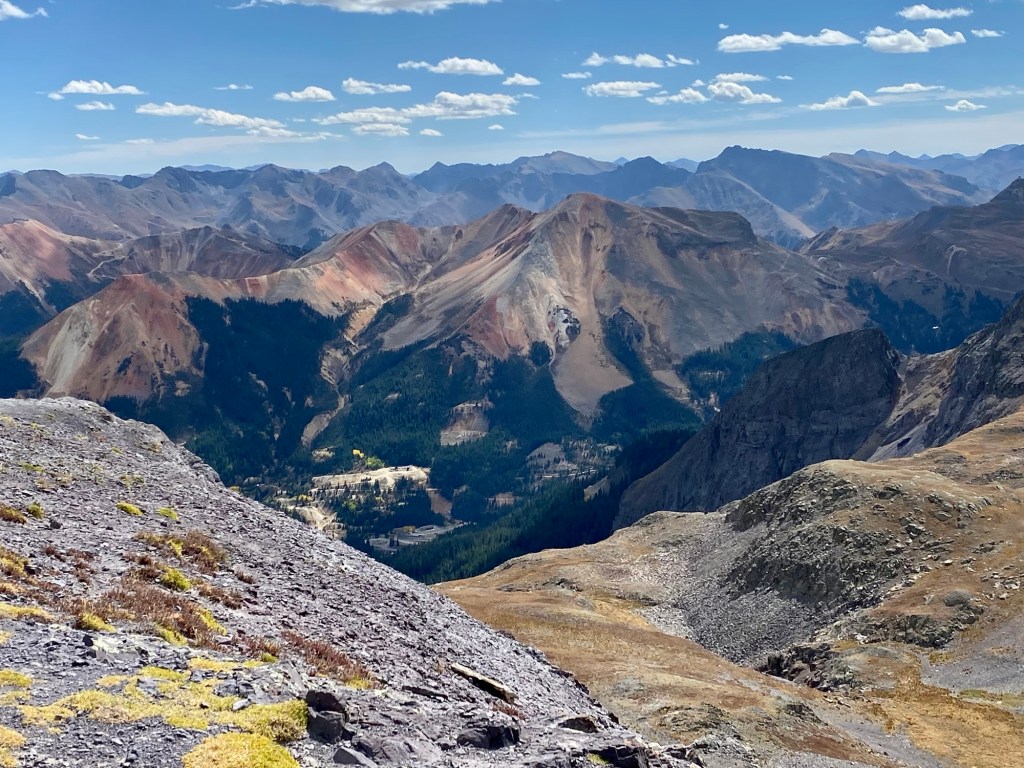
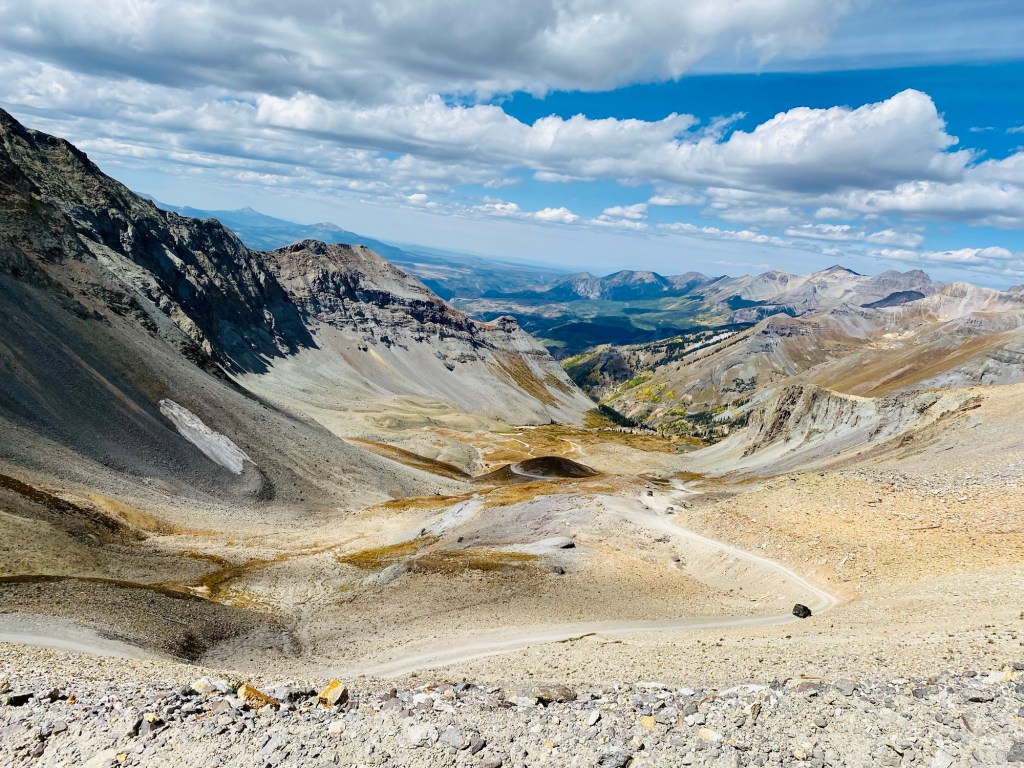
We did a lot of off-roading when we were younger, especially in Colorado, but I guess I was more resilient then.  In fact, we went over Imogene Pass in 2021, which is rated a 6 (Doug tricked me into that one. I will provide details if there is sufficient interest). To prove this I have added pictures of the Imogene trip below. The white jeep had high-centered and had to be wenched out.  Like that’s not scary.  (Colorado has basically the same rating system.)

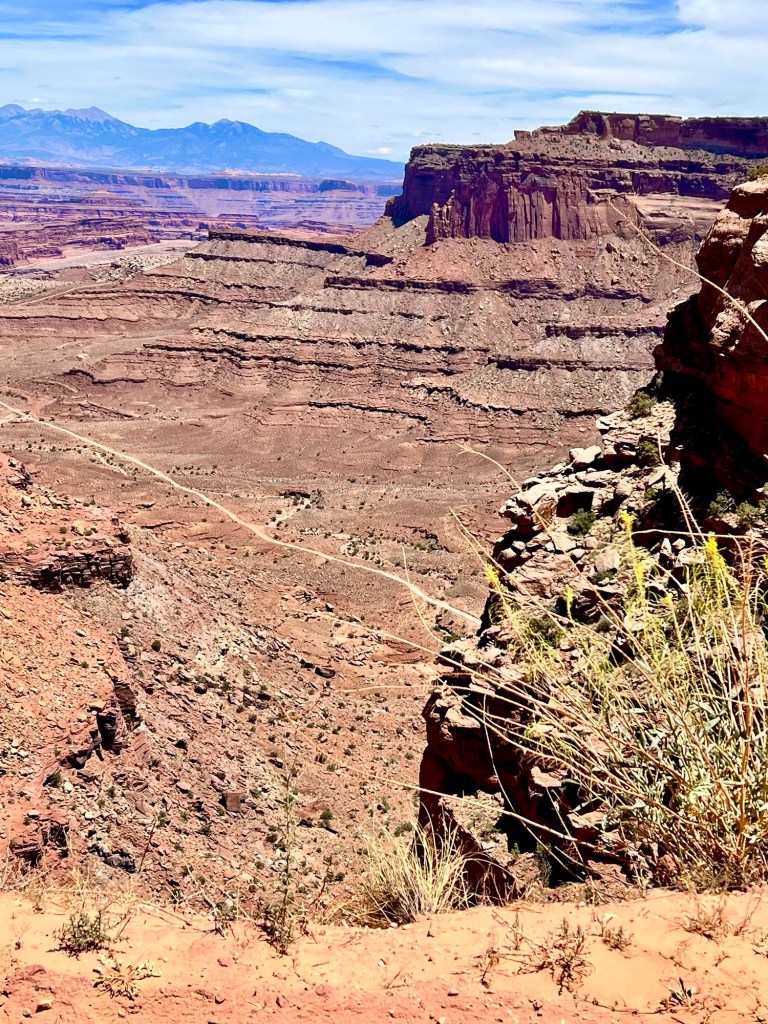
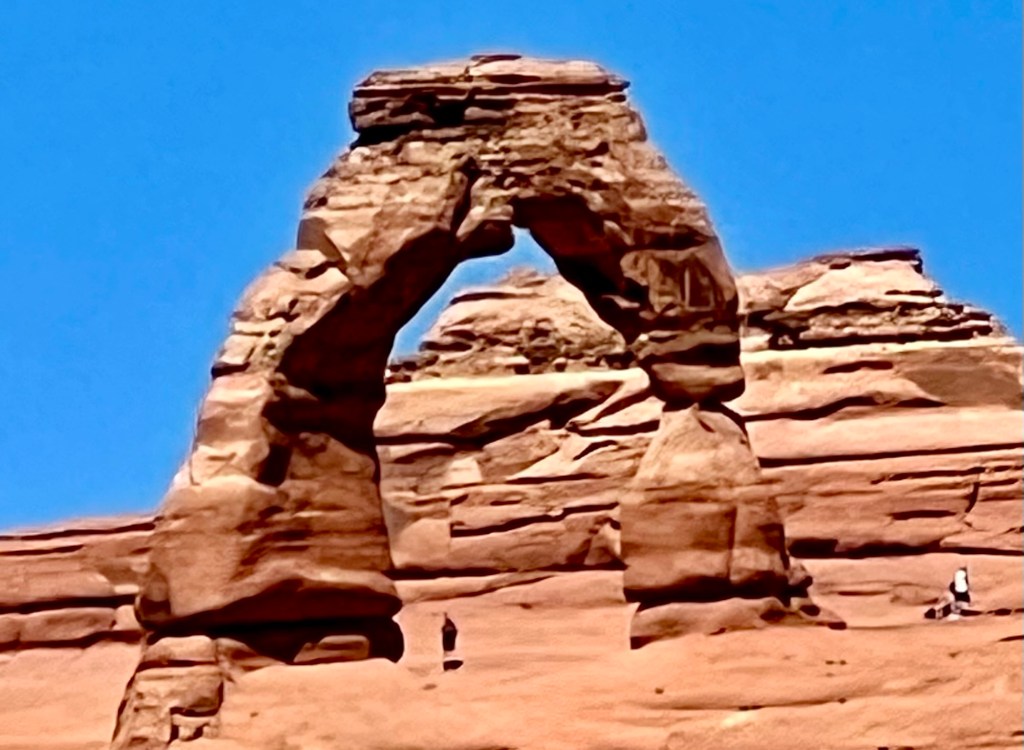
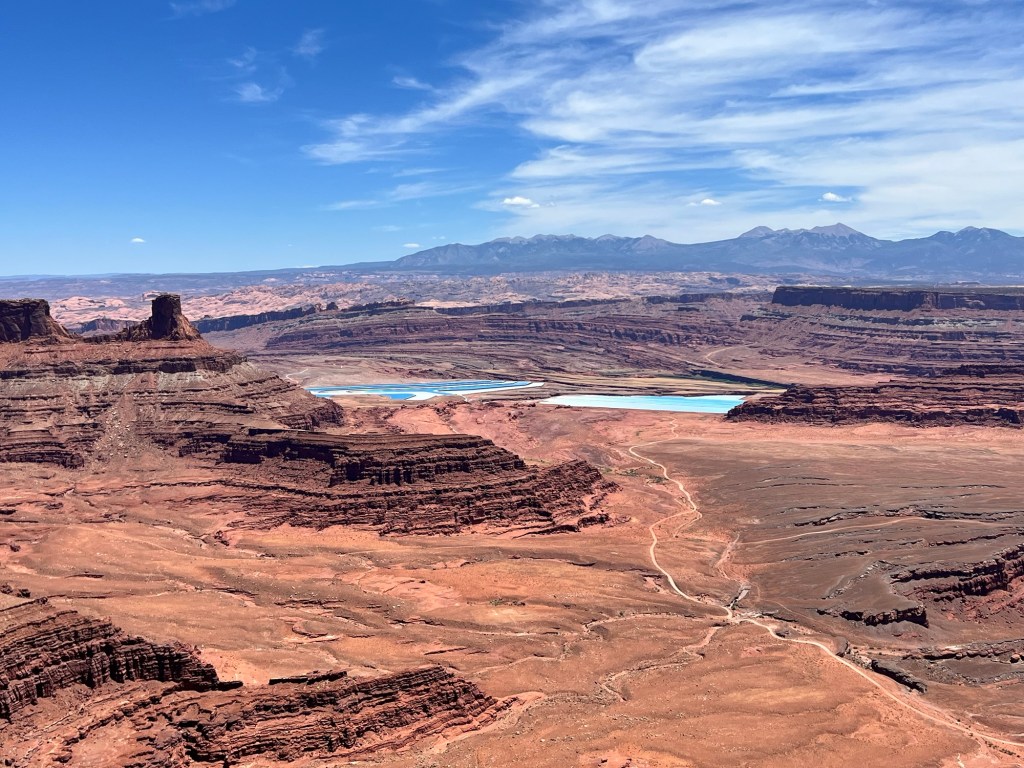
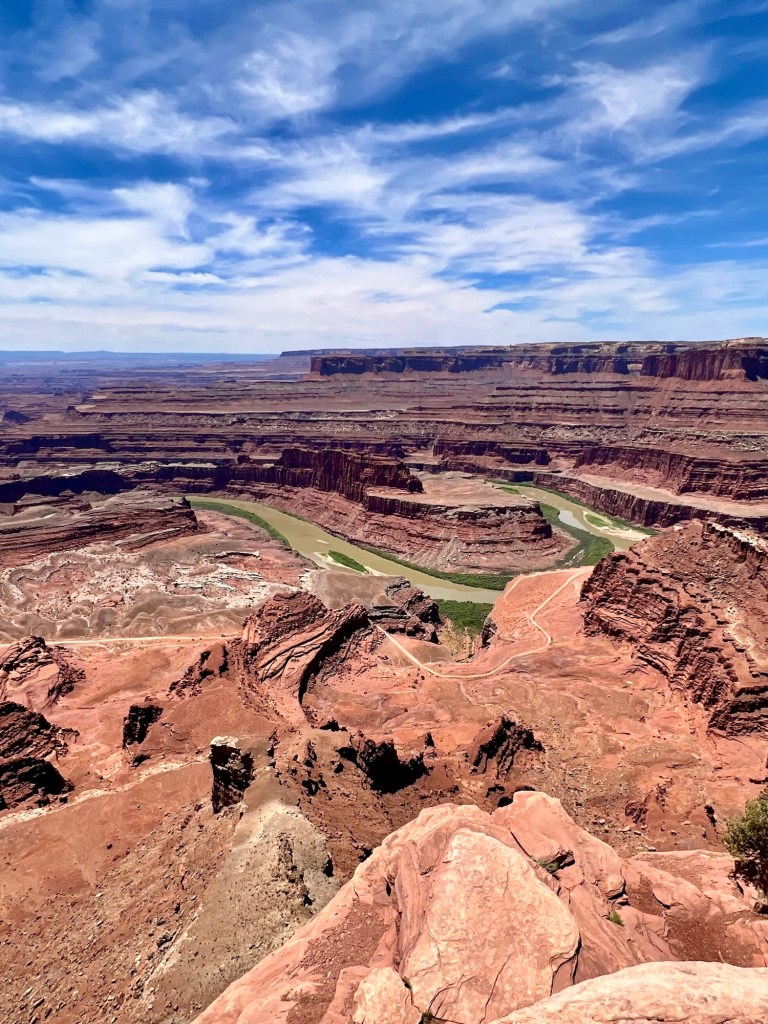
Today we did a jeep light day at the Arches National Park, one of the other places we were two years ago.  

Tomorrow, Doug is setting out for exciting solo adventures in the purple Jeep Rubicon while I stay in our air-conditioned hotel suite and enjoy the hotel pool.  Did I tell you that it’s hot as Hades here?  

June 11, 2026–Wild, Wild West Expedition:  Bryce Canyon National Park and the Hoodoos

We have been in Bryce Canyon National Park for the past couple of days, which is another of our early eighties camping van destinations.   In case you are wondering why we traveled out West so extensively then, we lived in mid-Missouri and the West was both accessible and fun for young marrieds on a tight budget.  

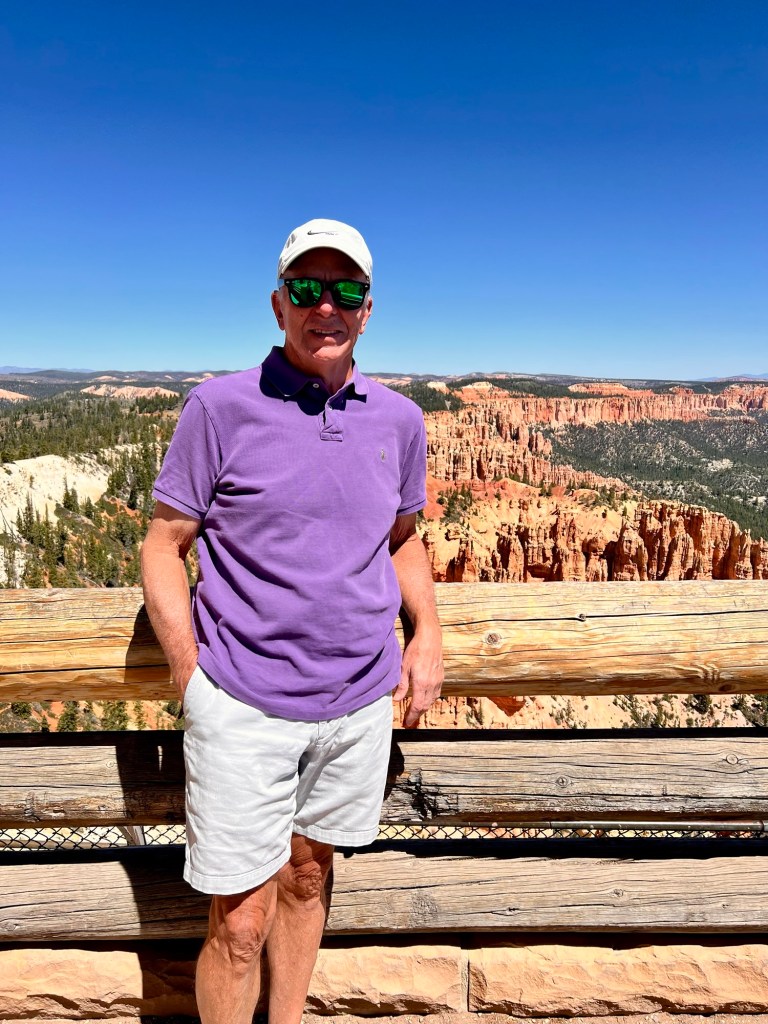
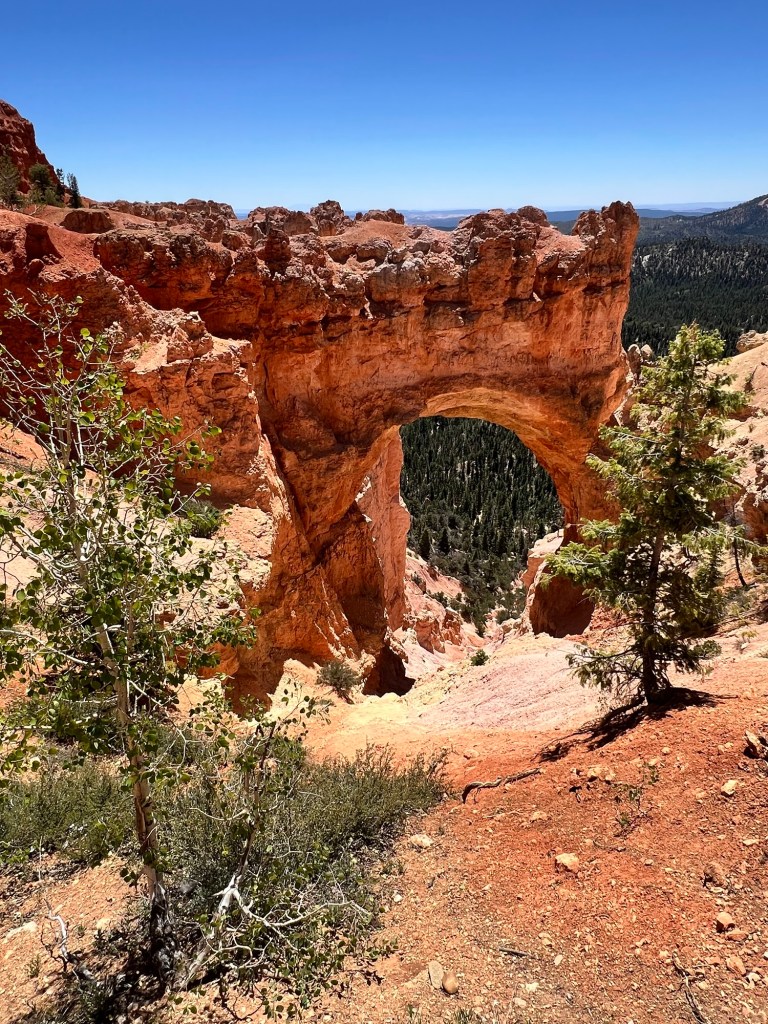
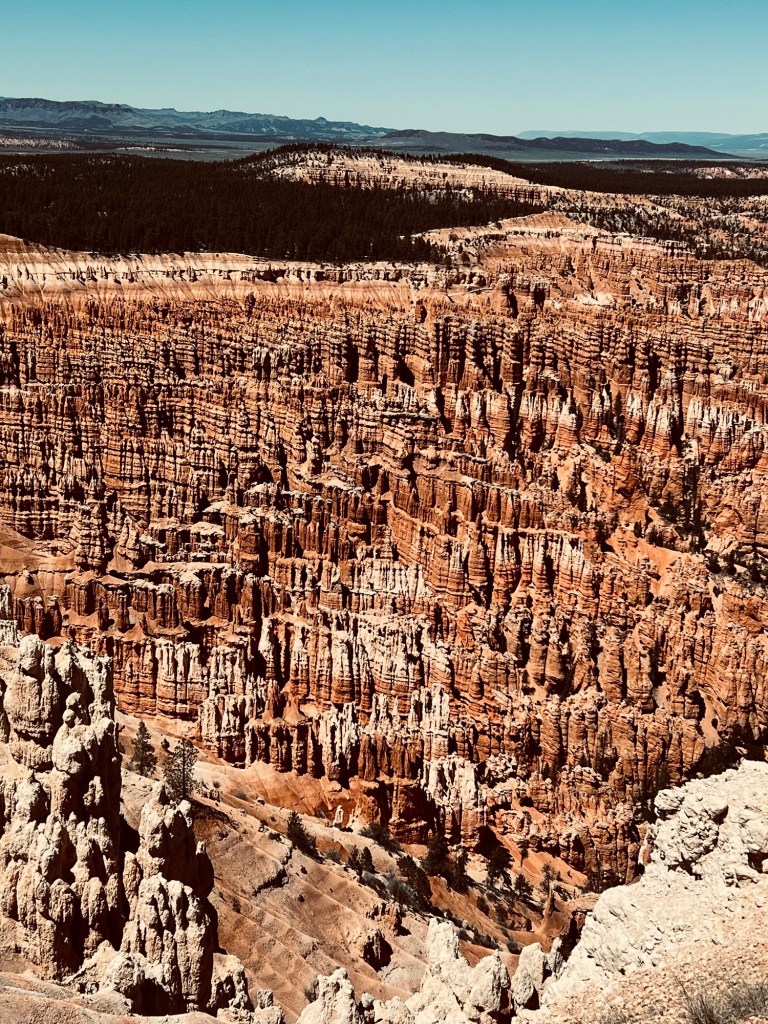
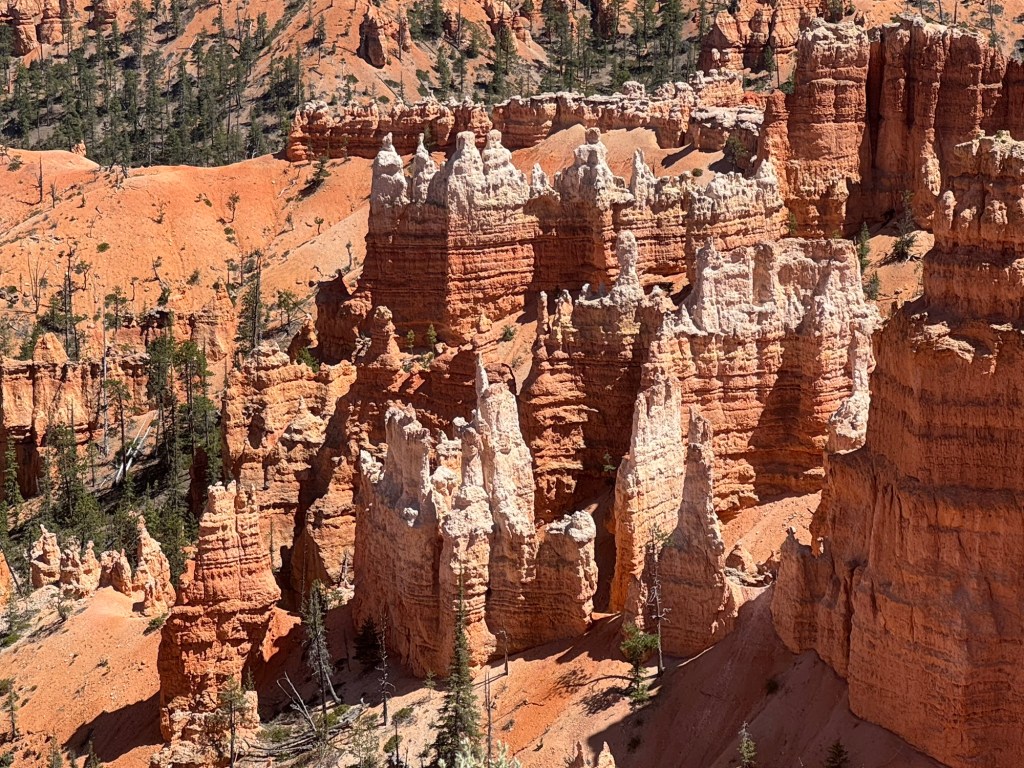
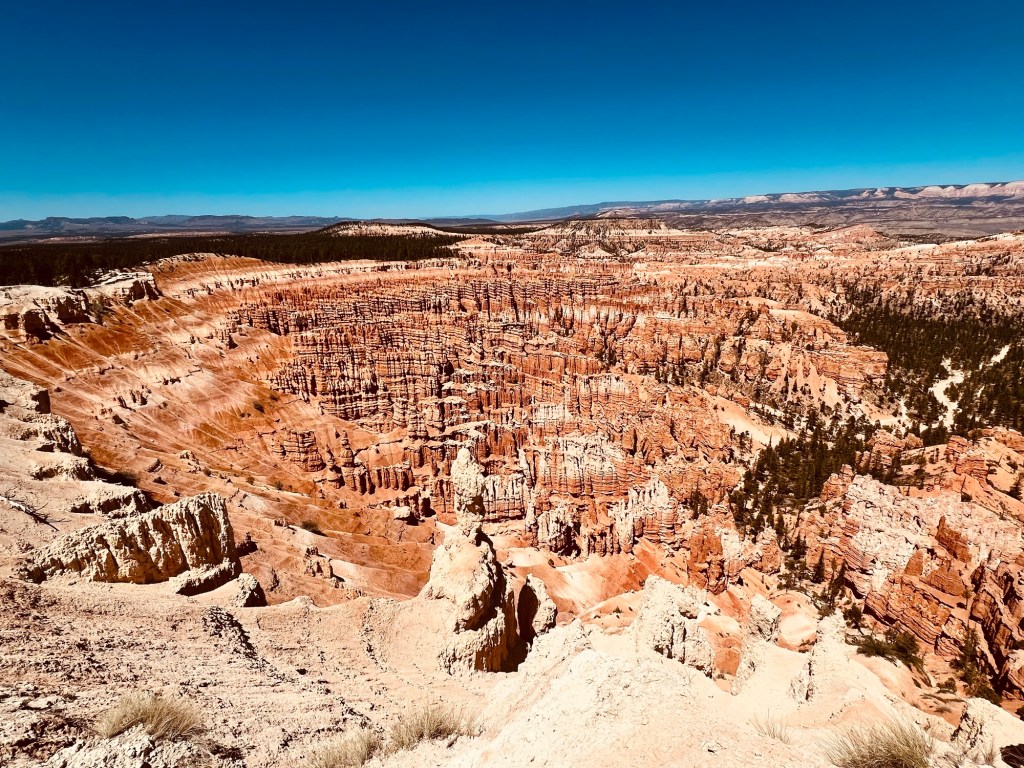
Bryce is nice.  That’s all I’ve got.  Just kidding.  It’s pretty and quite distinctive due to geological structures called hoodoos, tall, thin spires of rock formed by frost weathering and stream erosion of the river and lake bed sedimentary rock.  Bryce is much smaller and sits at a much higher elevation than nearby Zion.  The rim at Bryce varies from 8,000 to 9,000 feet.  Bryce Canyon is not technically a canyon but a collection of giant natural amphitheaters along the eastern side of the Paunsaugunt Plateau.  By the way, Doug has bought a series of strange looking sunglasses at places like Buc-ee’s as we have traveled across the country. He is wearing the latest in the picture below. Also, the purple polo shirt could be circa 1999. Anyway, that’s my best guess.

So back to the Hoodoos.  Bryce Canyon has the largest concentration of Hoodoos on earth (just in case you were wondering where have all the hoodoos gone. Note: vague reference, almost never picked up by anyone under 65, unless you happen to be Julie). Native Americans, the Paiute tribe in this case, thought the hoodoos were “Legend People,” who were turned to stone by the coyote god for bad deeds.  They do kind of look like people, with their stone bodies and heads. Also, you can see in the pictures below why Bryce is called an amphitheater.

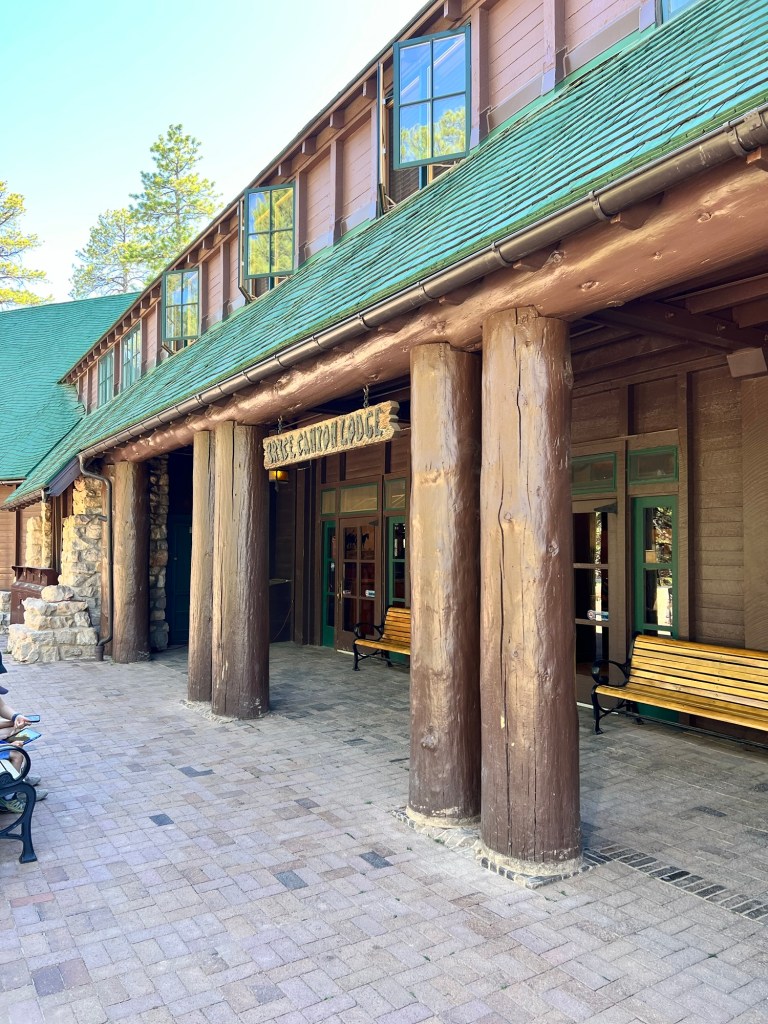
The lodge at Bryce was built in 1926 by the Union Pacific Railroad. It’s lovely, but again not at the level of Old Faithful Lodge or the Glacier Lodges. The picture below is of the original front, but now you enter from the back because the road and parking have changed. It’s weird, because it’s so underwhelming when you arrive. Our room is just over the middle of the green overhang. No air conditioning or television, but the running hot and cold water were a nice amenity.

Tonight we are in Moab, Utah. More on that later.

June 9, 2026–Wild, Wild West Expedition:  Zion National Park

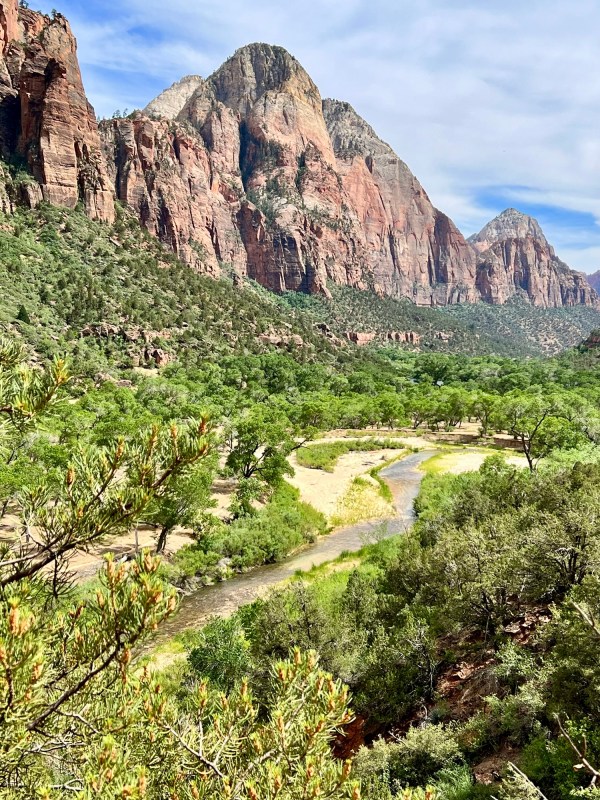
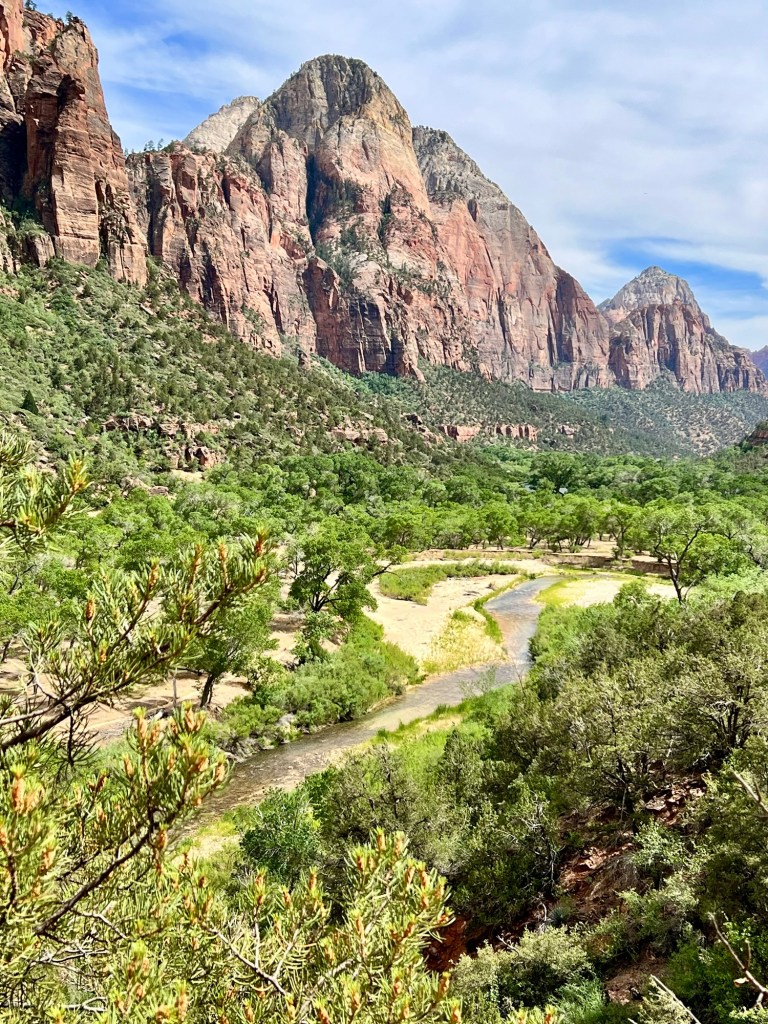
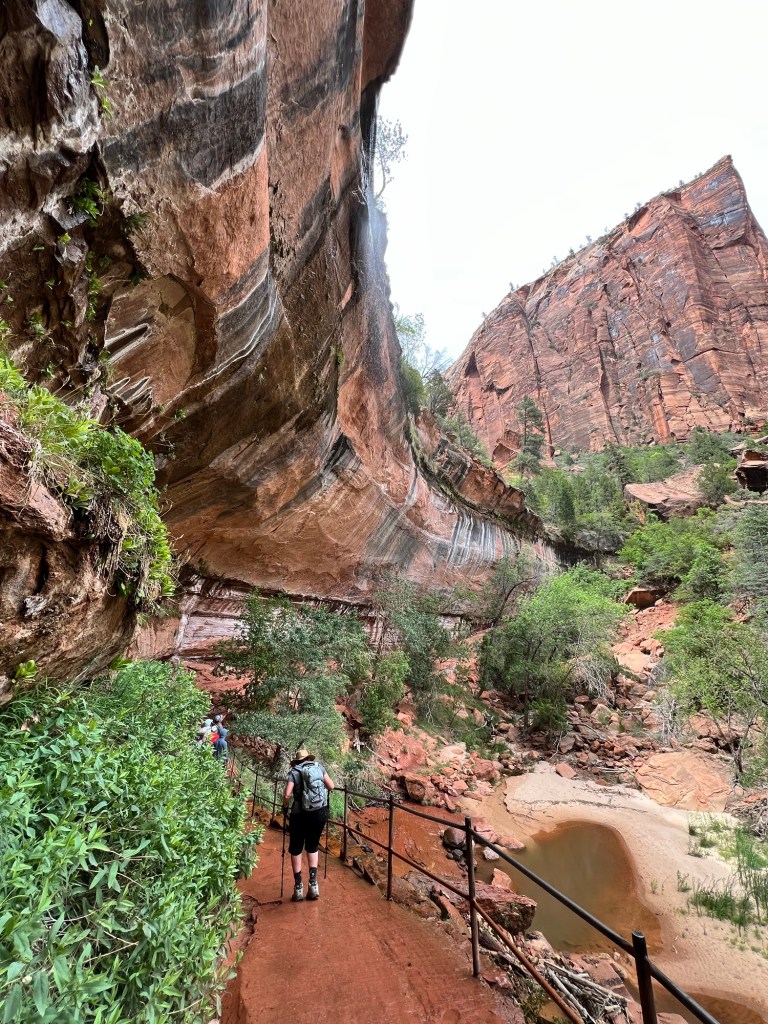
We spent the last couple of days in Zion National Park at Zion Lodge. We have been to Zion before, but it was probably in the late seventies or early eighties so we don’t remember much about our time here, except that we camped.

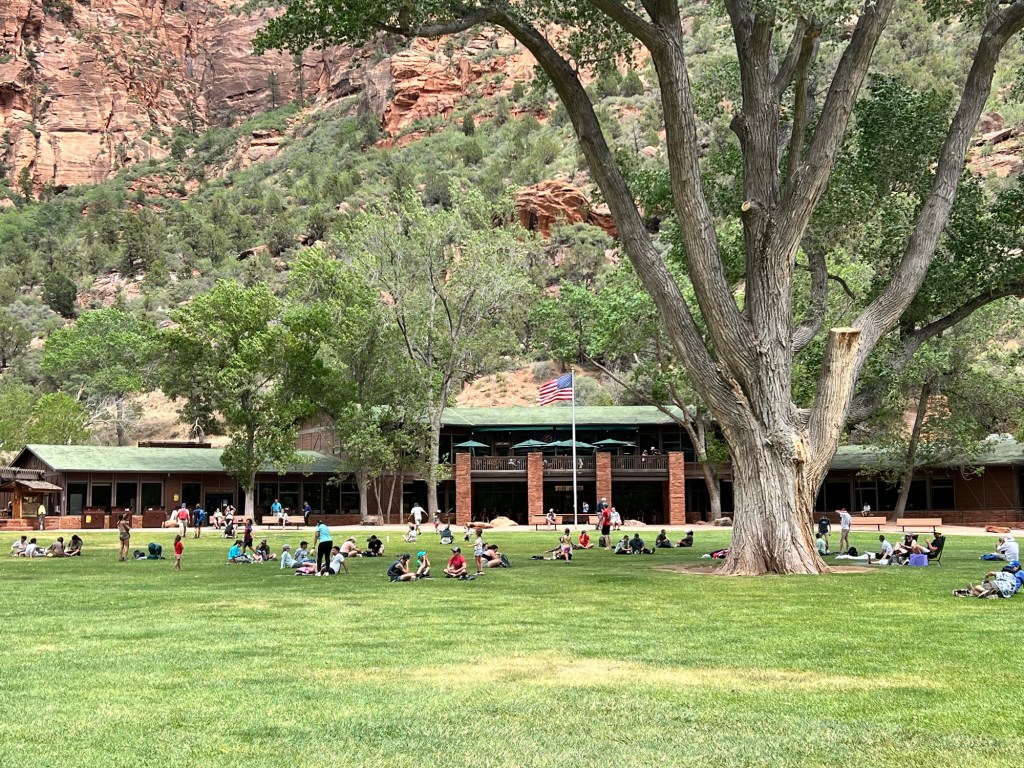
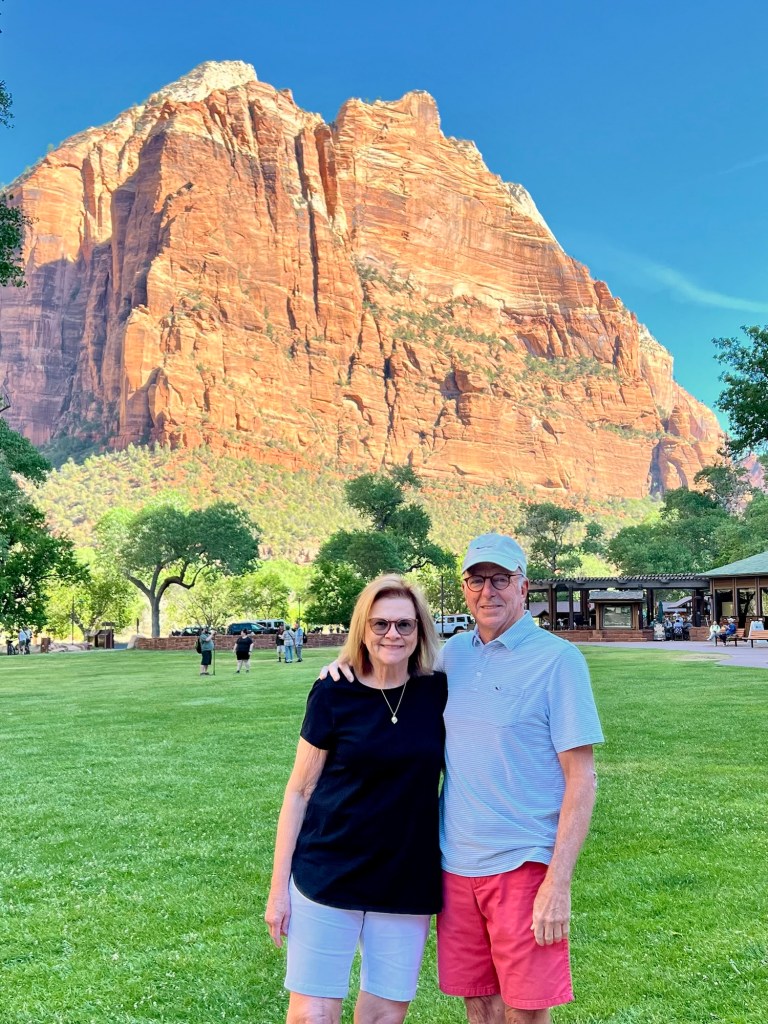
I have mentioned this previously, but after the National Park Service was created in 1916, railroad companies built rail lines to bring visitors to America’s new national parks, as well as constructed some of the first hotels in the National Park System.  At Zion, the Utah Parks Company, a subsidiary of Union Pacific Railroad, ran a spur line as far as Cedar City, Utah (about 30 miles from the park) and established a lodge in Zion Canyon.  Zion Lodge was built in 1926, but burned in the sixties and had to be rebuilt, so it has none of the charm of Yellowstone or the Glacier Lodges. Part of the lodge is in the background here:

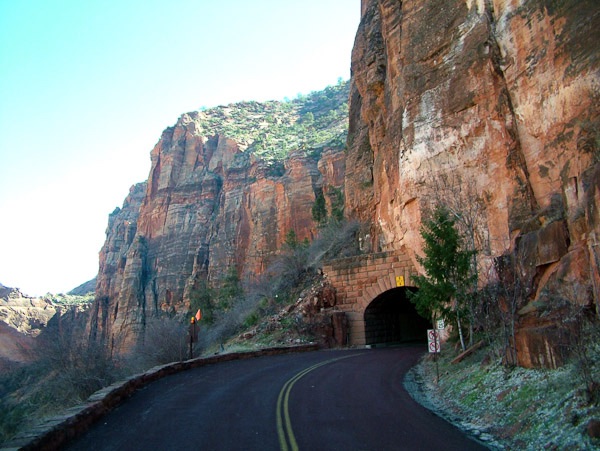
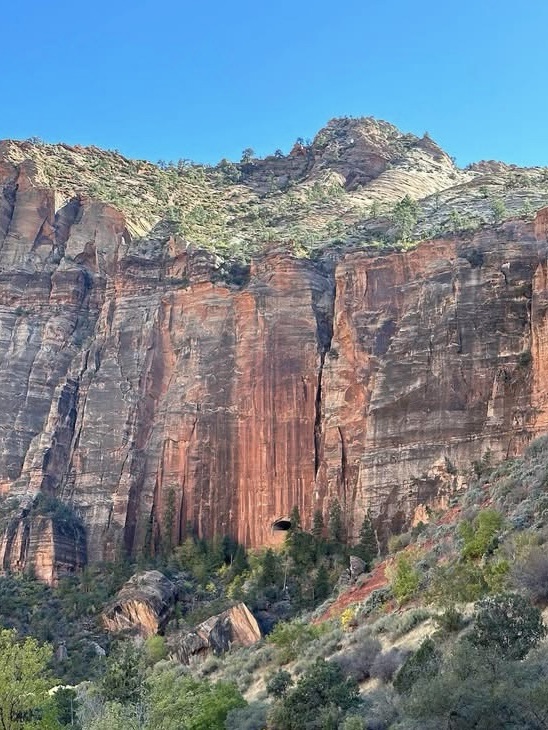
Like a lot of National Parks, cars are more restricted than they used to be, so although you can drive through Zion, parking is limited and some of the park can only be reached by taking a park bus.  When we came in, the ranger at the fee office had to come out and measure Vanna to make sure she could pass through the historic 1.1 mile Zion-Carmel Tunnel built in 1926. For once, Vanna made the cut, but we were kind of freaked out when we started through it. It was narrow and dark and lit only with six giant window like openings.  But we made it.  Not my original pictures below because we couldn’t stop and take one. The first is of the entrance and the second is a distant view of one of the “windows” (look to the left of the four taller trees towards the bottom).

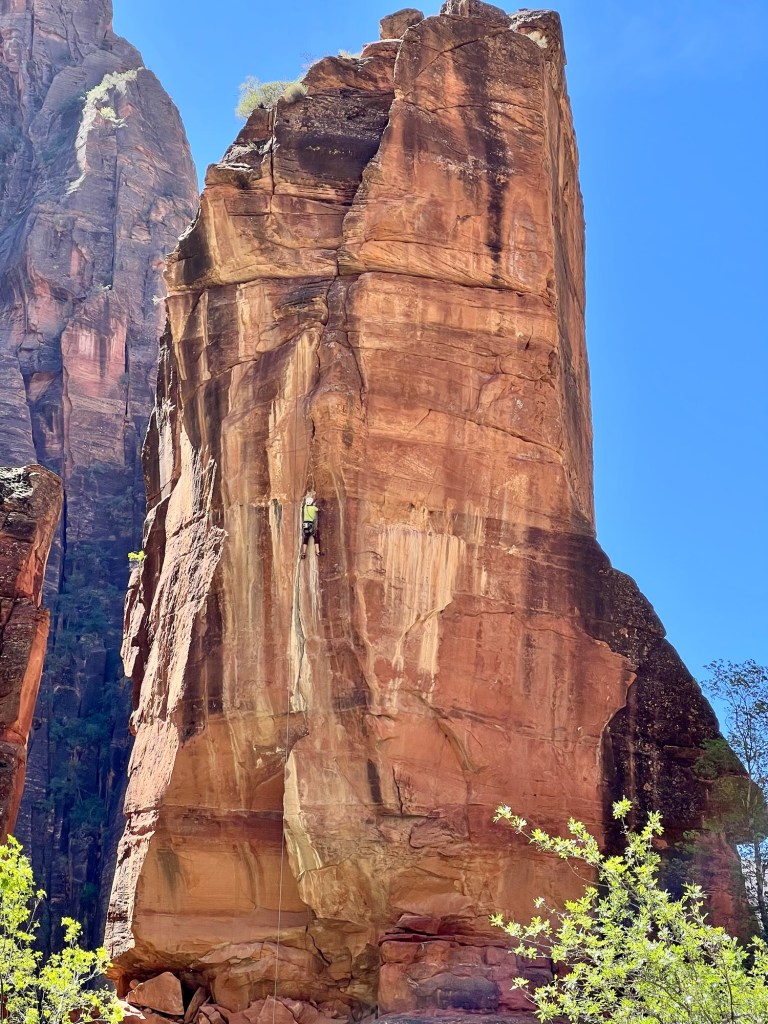
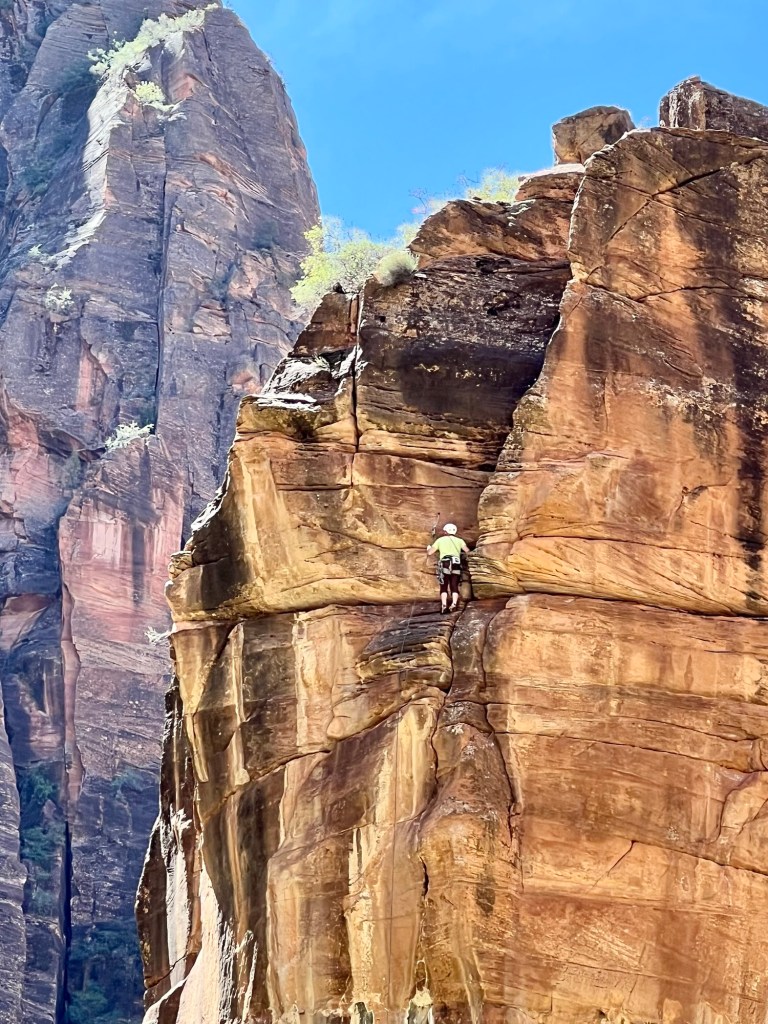
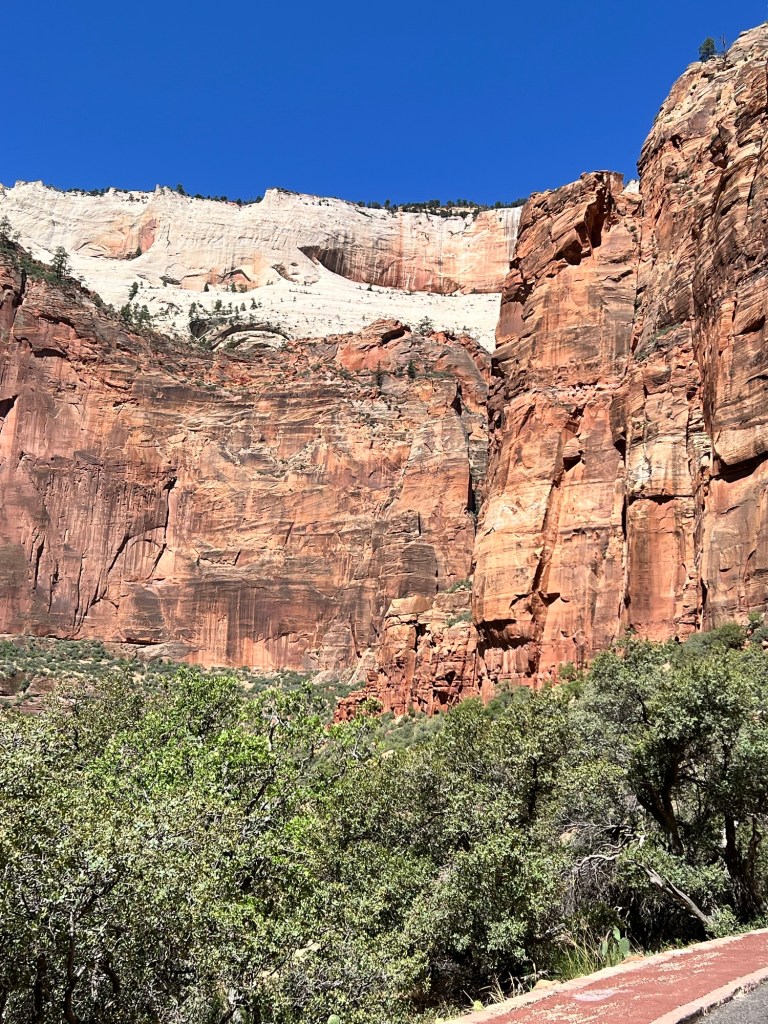
We went on a short tour yesterday morning im a tram-like vehicle to see the part of the park that’s not open to cars. Our guide, John, was a regular comedian. He said that he is a life long bachelor (he was probably in his late forties?) but he’s trying to figure out how to become an eligible bachelor. It was a weird joke. Rock climbing is a big thing in Zion, and we saw the the guy in the first two pictures below make this much progress in the five or ten minutes we were stopped here. Notice the dark spot with a little ledge way above him in the first picture that he climbed to in the second picture. Not for the faint of heart.

Back in the late seventies when we were camping in places like Zion we traveled in a conversion van.  Well, more a DYI van because Doug converted it himself.  In the back of the van we had a mattress up on a plywood platform, and then all of our luggage, camp stove, lanterns, etc. were stowed underneath the platform.  We have a lot of memories, but one in particular that we still laugh about is the Dinty Moore beef stew night.   We got to the campsite late that day and it was cold, so we heated up a can of Dinty Moore stew.  We were about half way through the meal, and Doug suddenly stopped eating and said he was full.  A couple of days later he told me that he had found a piece of hide in the stew.  Well anyway, he said he hoped it was cow hide and not from a rat.  I screamed, “Why didn’t you tell me?”  And he said, “Are you kidding?  You would have freaked out.”  Why, yes, I would have been most horrified.  

Tonight we are in Bryce Canyon National Park.   

June 7, 2026—Wild, Wild West Expedition:  Lake Powell and Antelope Canyon 

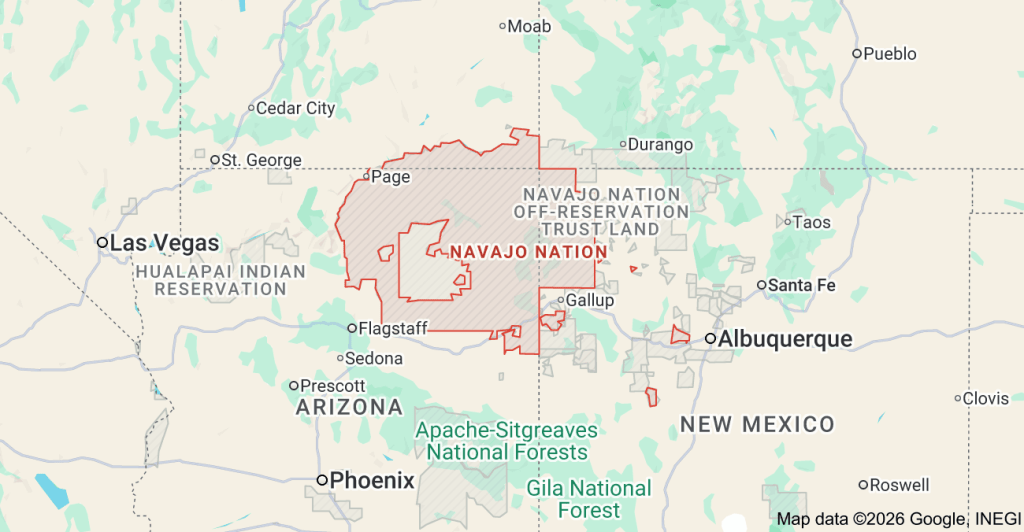
We spent the last couple of days in Page, Arizona, which is part of the Navajo Nation and is just right over the border from Utah.  The Navajo Nation is the largest Indian reservation in the United States, covering a total of 27,000 square miles and stretches across northwest New Mexico, northeast Arizona, and southeast Utah.  I looked it up and it’s roughly the size of West Virginia.  

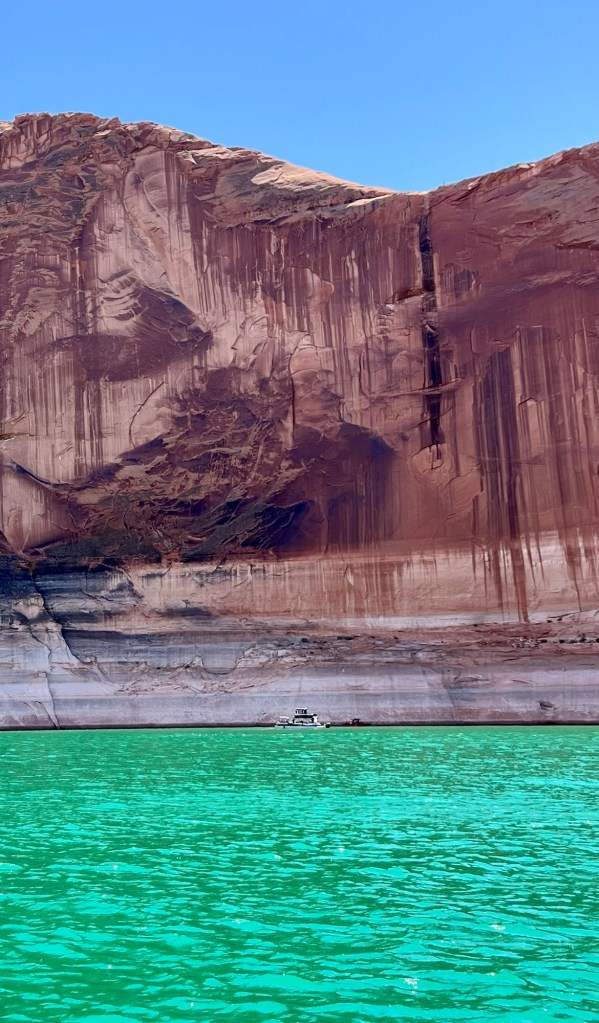
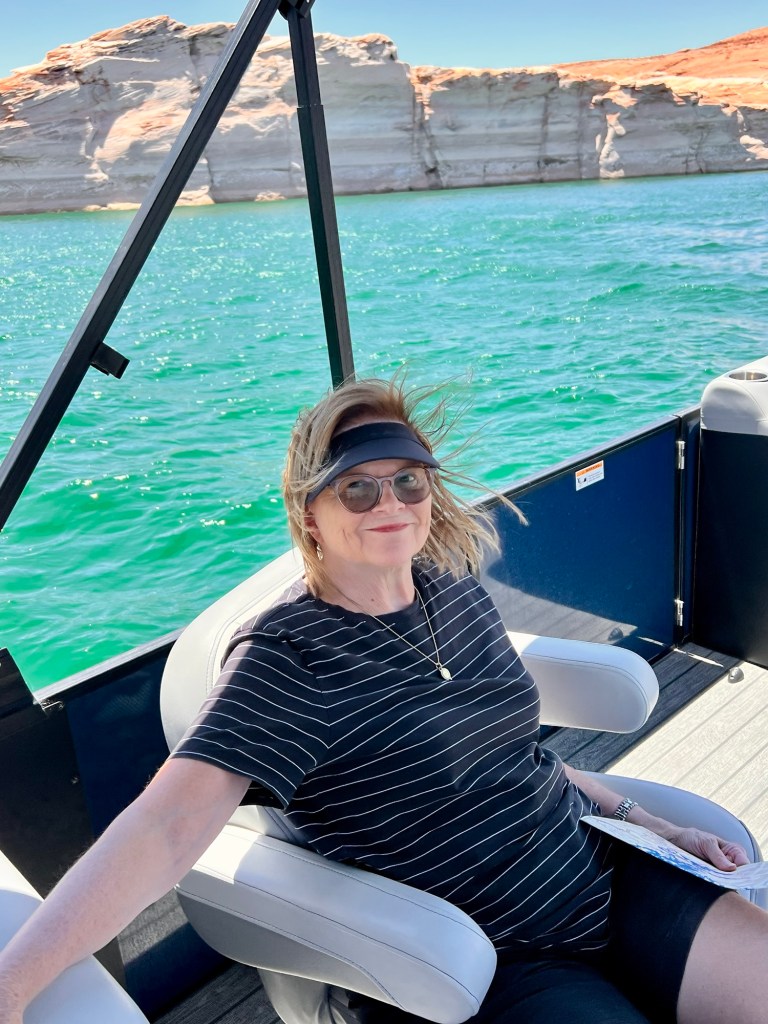
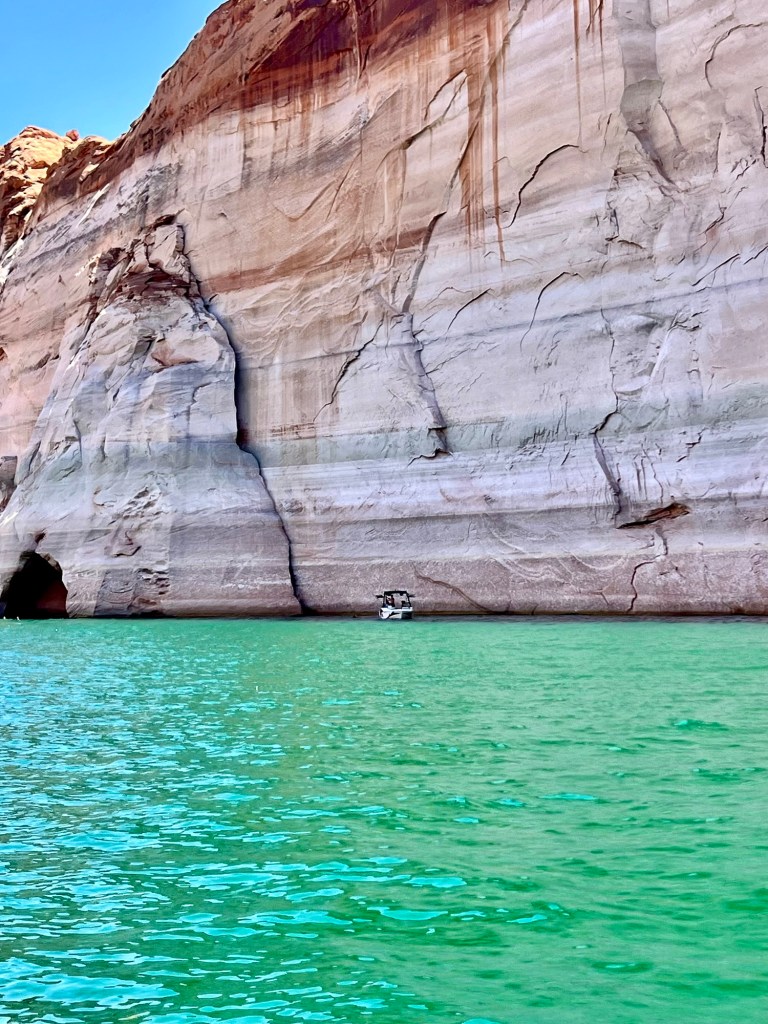
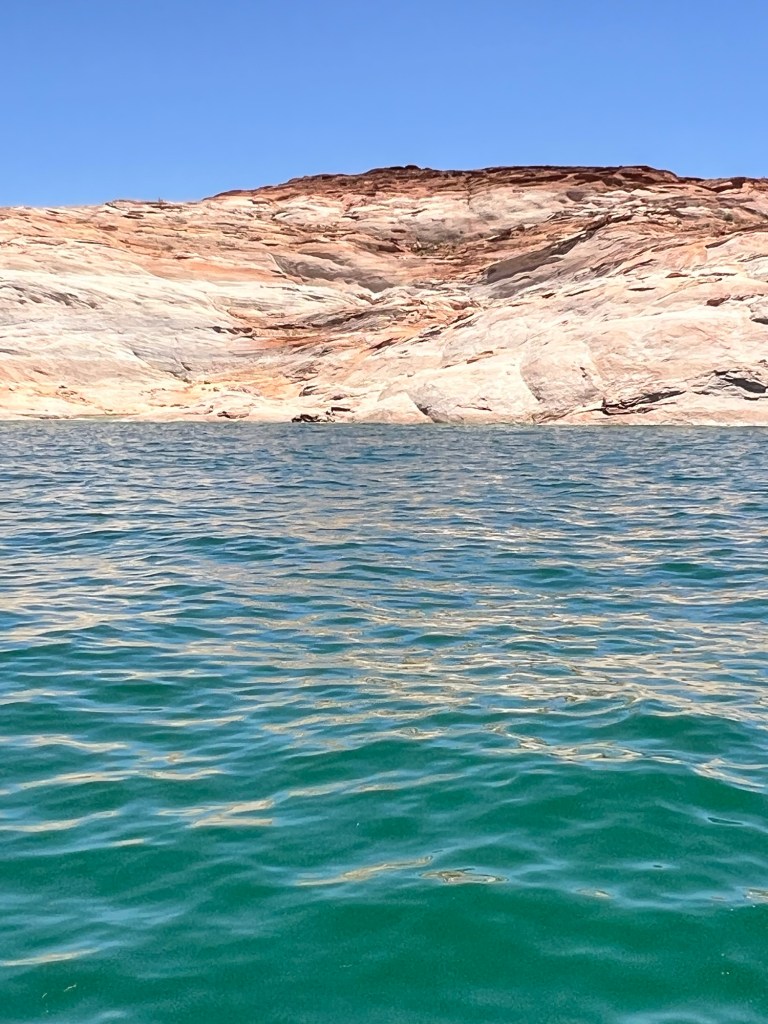
Yesterday we rented a pontoon boat and took a ride on Lake Powell.  Lake Powell was created by the 1972 construction of Glen Canyon Dam, which backed up the Colorado River into Glen Canyon. The building of the dam and creation of Lake Powell led to the Glen Canyon National Recreation Area, a popular summer destination of public land managed by the National Park Service.  The lake is huge, weaves in and out of both Utah and Arizona, is about 256 square miles, and is quite spectacular.  It was so hot!  

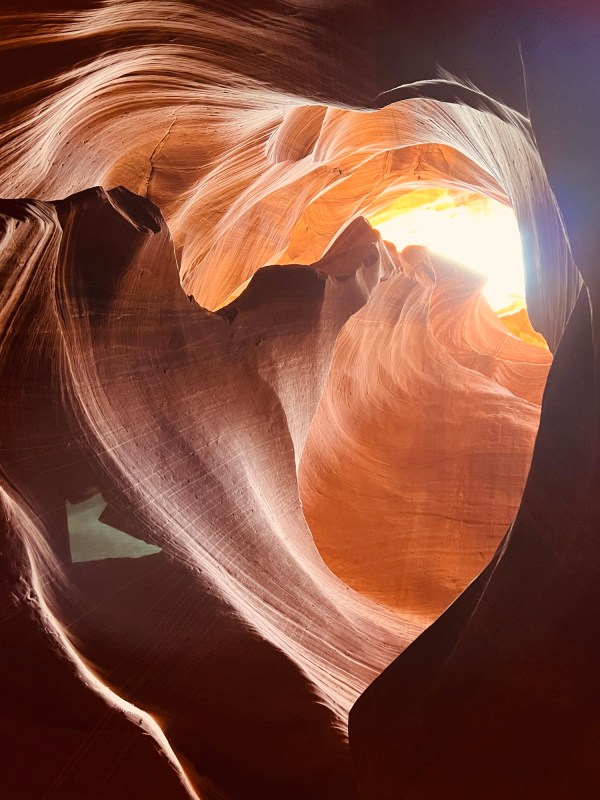
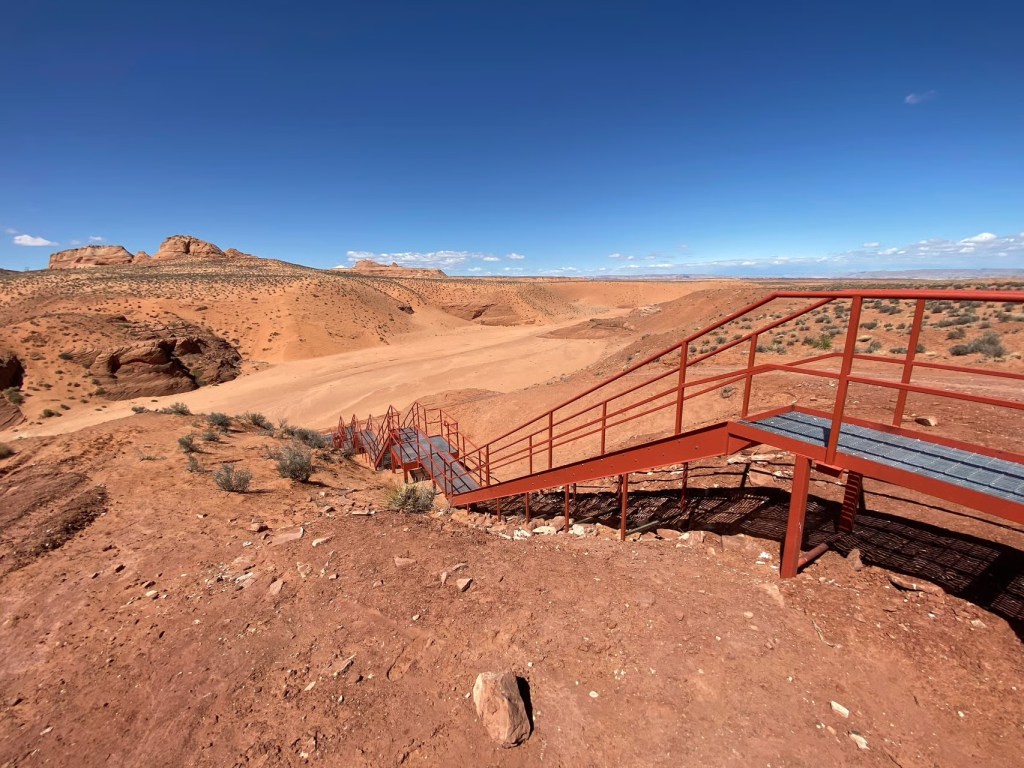
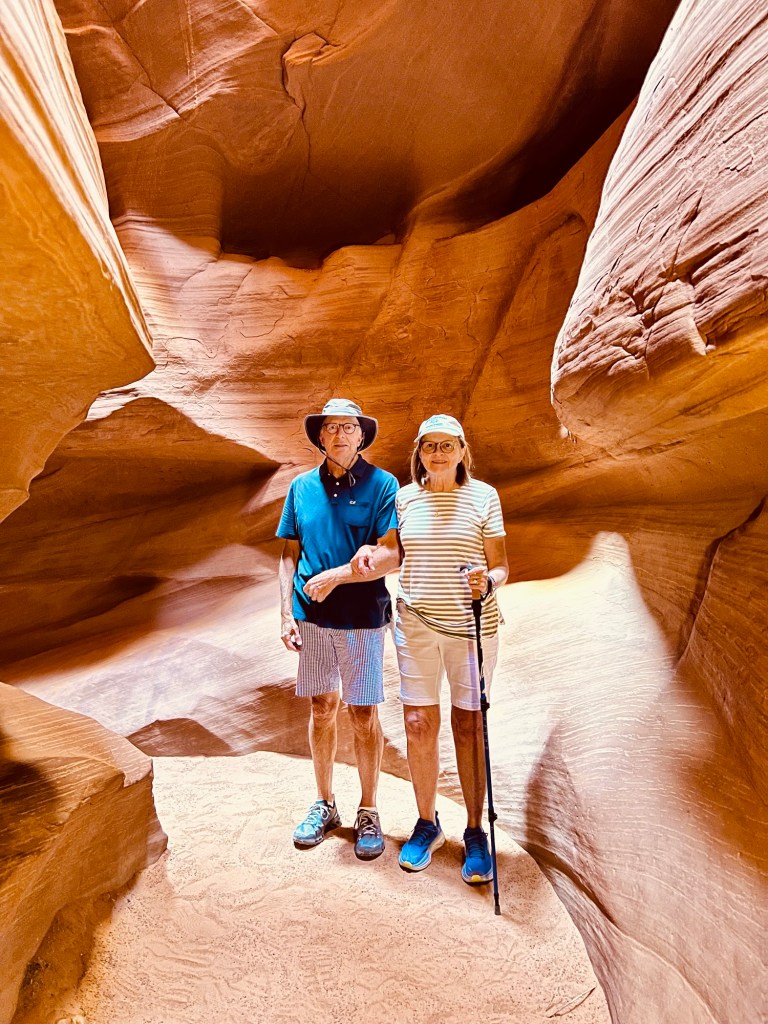
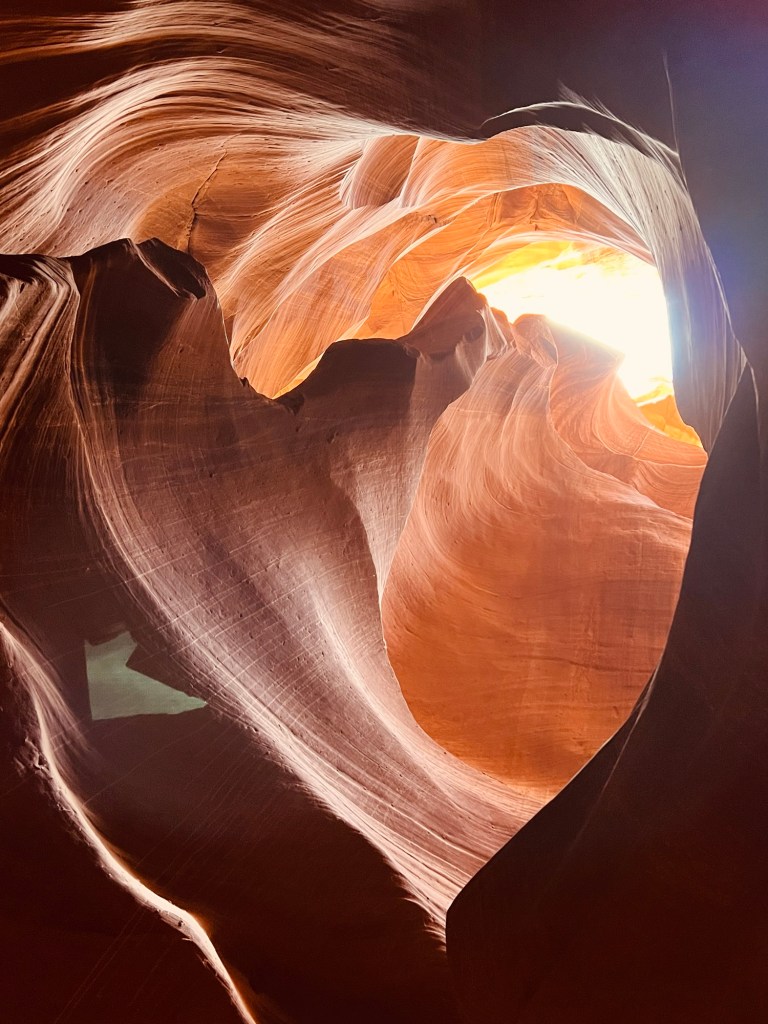
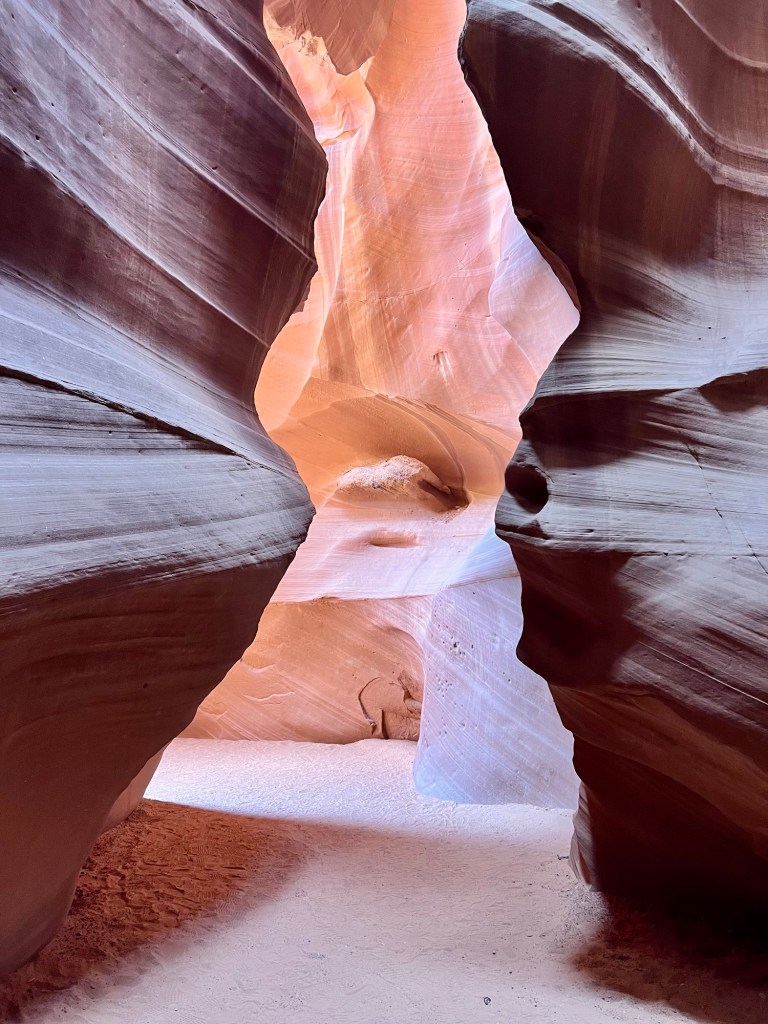
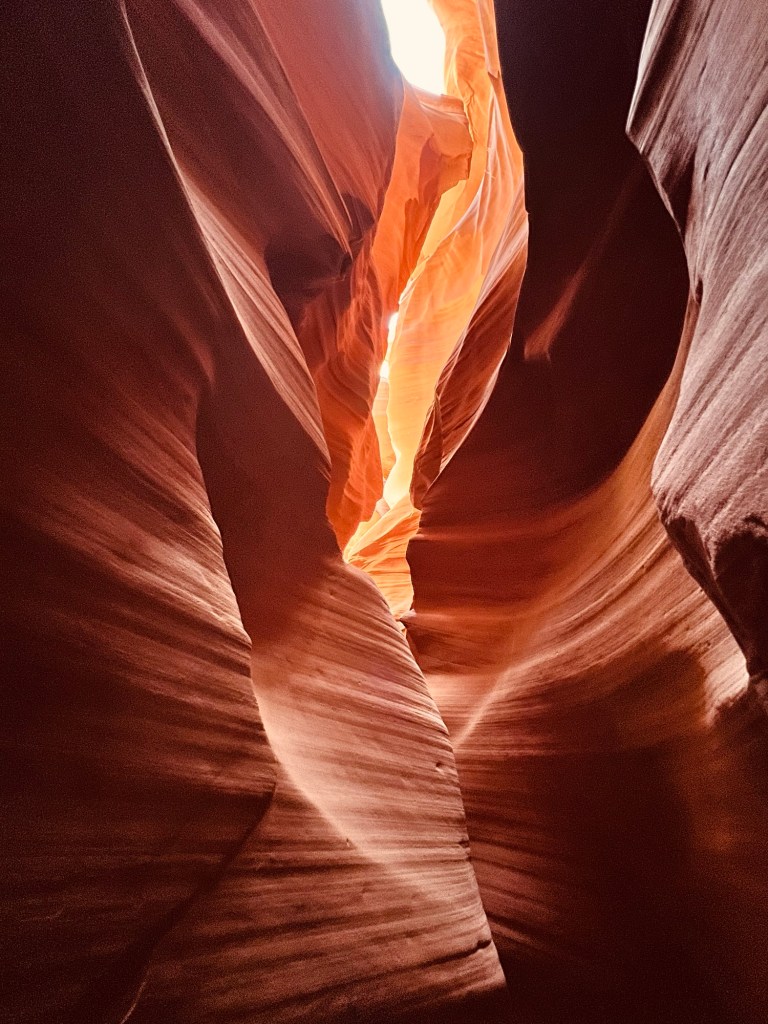
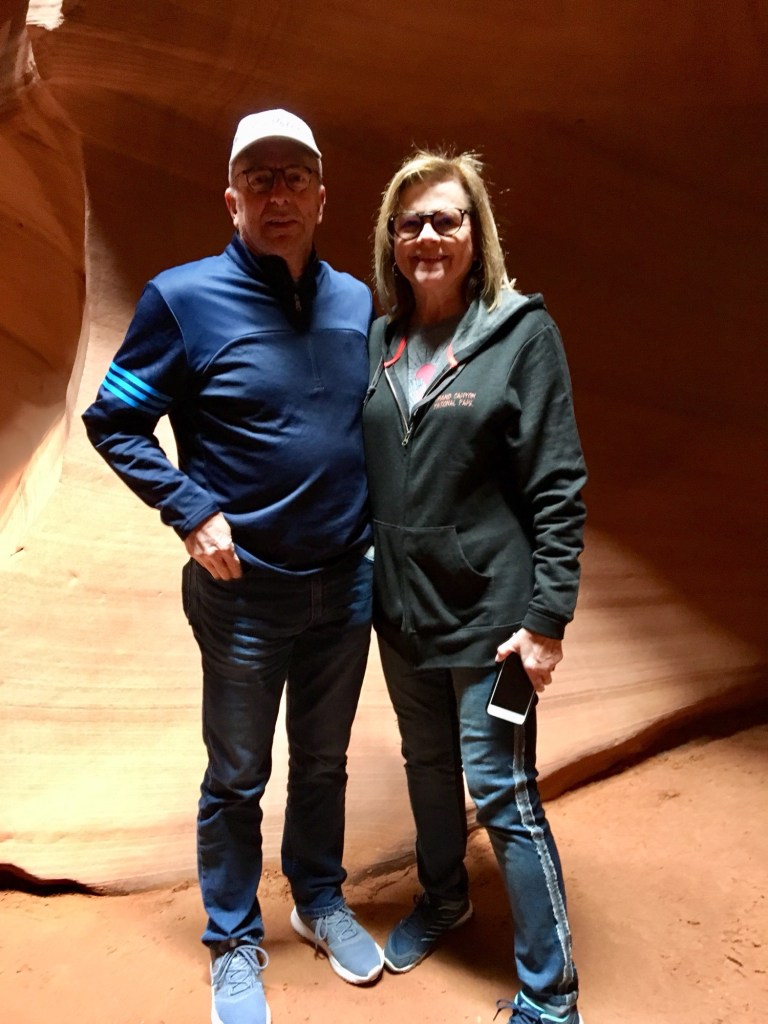
Today we went on a guided tour to Upper Antelope Canyon, albeit with mixed results.  We had been there in 2019, and the walk was fairly flat on the way in and then you went back out the same way.  It’s a little narrow in some sections, but okay if you aren’t claustrophobic.  Well, much to my chagrin, they changed the exit in 2021 without notifying us. First you had to scramble up some small sandy hills and big rocks to reach a giant metal covered walkway across the top of the canyon, and then scramble back down about a million stairs to the parking lot.  It was hot as Hades and sand was blowing from all directions. People with a bad knee can’t manage that stuff.  I made it up to the walkway, but it wasn’t pretty.  So Carson, our understanding guide, took us back down to the canyon and we walked through it against the grain to get back out.  Don’t worry, I apologized to our group and informed them that it is “hell getting old.” Everyone, including the sweet family of four from Tennessee, were quite sympathetic. But not the two German guys.  Oh, well.

The Hellish Way Out

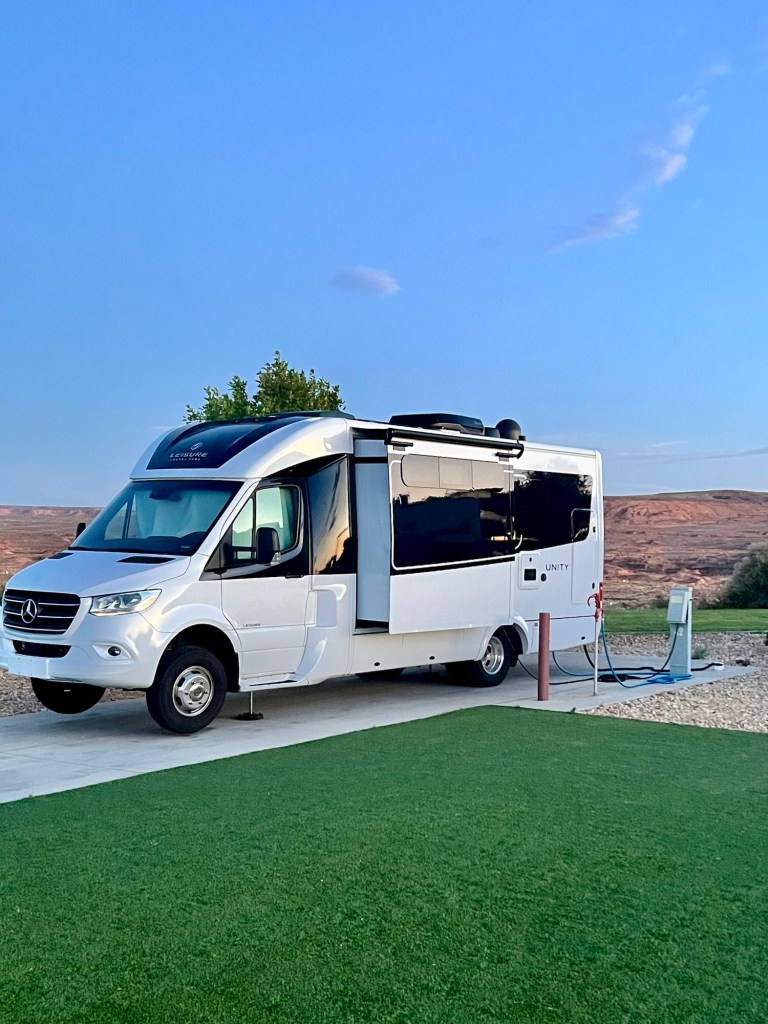
And just in case you need to know that Vanna is still in the picture, here’s a picture. The grass is astroturf, so not real.

Tonight we are in Zion National Park at the lodge.  My knee is sore, but uninjured.  And incidentally, my physical therapist told me to stop calling it my bad knee, but I can’t think of a better way to refer to it without swearing. Any ideas?

Blog at WordPress.com.

Up ↑