January 5th, 2025–Lima, Peru and the Silver Ray

Yesterday we flew from Cusco to back to Lima.  When we arrived at the airport, we boarded a bus and headed to Museo Larco (Larco Museum) for lunch and a tour.  I didn’t do any research ahead of time, but later I googled the website, and part of the blurb says “This major collection of pre-Columbian erotic art offers a different and interesting perspective on ancient Peruvian sexuality.”  Wait, no one told us that!  Of course, not all of the artifacts were erotic, but some of them were pretty vulgar.  Lunch was good, though, and the gardens were beautiful.   (We took pictures of the gardens, but not of the erotic art.)

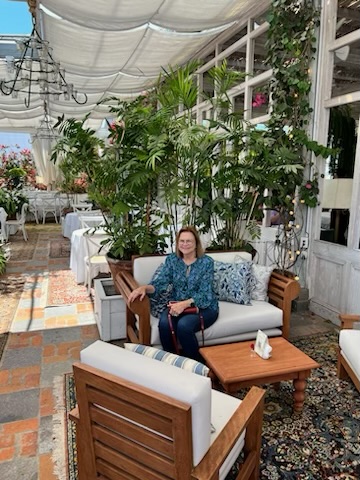
After that, uh, interesting experience we boarded the Silver Ray, a cruise ship from the Silver Sea Cruise Lines.  We cruise for the next couple of days until we arrive at our next stop, Guayaquil, Ecuador. After that we transit the Panama Canal and stop in Panama City.  Then we move on to Cartagena, Columbia and Aruba, with our final destination as Fort Lauderdale.  Pictures of our room:

If you are wondering, our excursion to Machu Picchu was a Silver Sea pre-cruise option.  We usually don’t do the pre-cruise or post-cruise tours, but we decided if we were going to be this close, it would be a shame to miss Machu Picchu.  And although it was fast-paced and exhausting, I’m glad we made that choice.  Our tour group to Machu Picchu consisted of 22 people from all over the US and the world: California, Massachusetts, Washington DC, Missouri, Rhode Island, Florida, Australia, Canada, Portugal, and Belgium (these are just the places I remember).  It was a diverse group of people for sure.  Over the course of 4 days, we were thrown together constantly, which can be a lot, especially for us introverts.  However, it actually worked pretty well.  No complainers, everyone was polite and friendly, and we had only one lady wander off the trail in Machu Picchu and get lost.   

In case you are wondering about the lost Machu Picchu lady, let me tell you about it.  First of all, we were split into two groups of 11 to hike in Machu Picchu.  Each group had a guide.  As, I have mentioned it was rainy and the stone steps were steep, slick and treacherous.  Heather, an older lady from Canada (maybe about my age, haha), seemed to be having trouble navigating the trail. At some point on the way  down, someone in our group said, “Hey, where’s Heather?” Roger, our Spaniard hating tour guide, counted only 10 people and then immediately leapt into action.  We were on a flat spot with several buildings around, so he said, “Look around here and I will go back to look for her.”  As he ran out of sight, I almost screamed, “But, Roger, it’s pouring down rain, we are soaking wet and there’s no shelter!”  But, I refrained. After a few stunned seconds, some people wanted to revolt and hike down immediately, while others thought we should wait.   I said, “Why don’t we give it until 4 PM, and then we will hike down if Roger is still gone?”  It was 3:45 then, so we waited.  Roger showed up at 4 PM sharp.  Heather seemed to have vanished into thin air, so we proceeded with our hike.  Then voila, she showed up several hours later at dinner.  Nancy, the outspoken Australian, asked, “Heather, what happened to you?  We had to stand there in the driving rain for 20 minutes while Roger went to look for you!”  Everyone at the table looked at Heather.  She said in a defiant voice, “Well, I got a little behind.  But I’m an adult and I can take care of myself.”  Really, Heather?  

So, here’s my theory on Heather’s disappearance.  The last time any of us remember seeing her was somewhere at the beginning of the trail.  I think Heather lagged behind unnoticed, then turned around and went back to the Sanctuary Lodge and hid until dinner.  My evidence is that we walked very slowly and stopped often.  And when we did stop, Roger’s lectures were long and detailed.  No one can make me believe she was back there somewhere unless she was crawling.  She just didn’t want to admit deserting the group and inconveniencing everyone, so she gave a defensive non-answer.  She will probably go home and tell all of her friends that she did the hike and it was fabulous.  The nerve.  
January 3, 2025–Machu Picchu, Peru

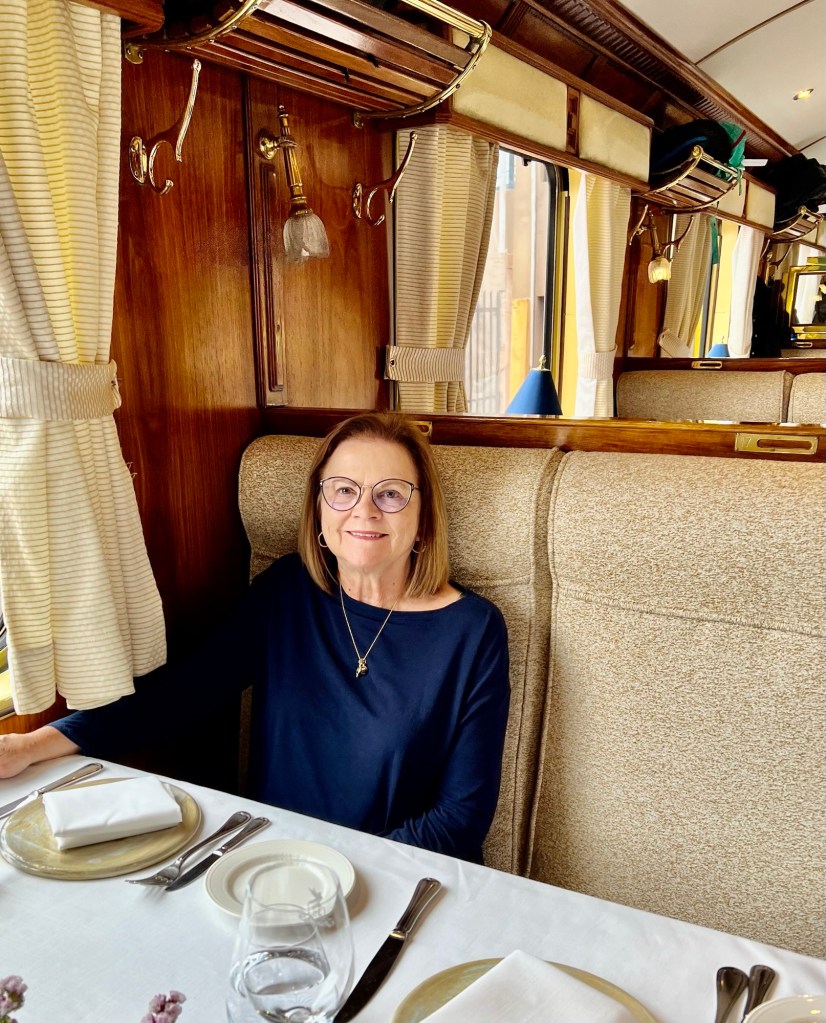
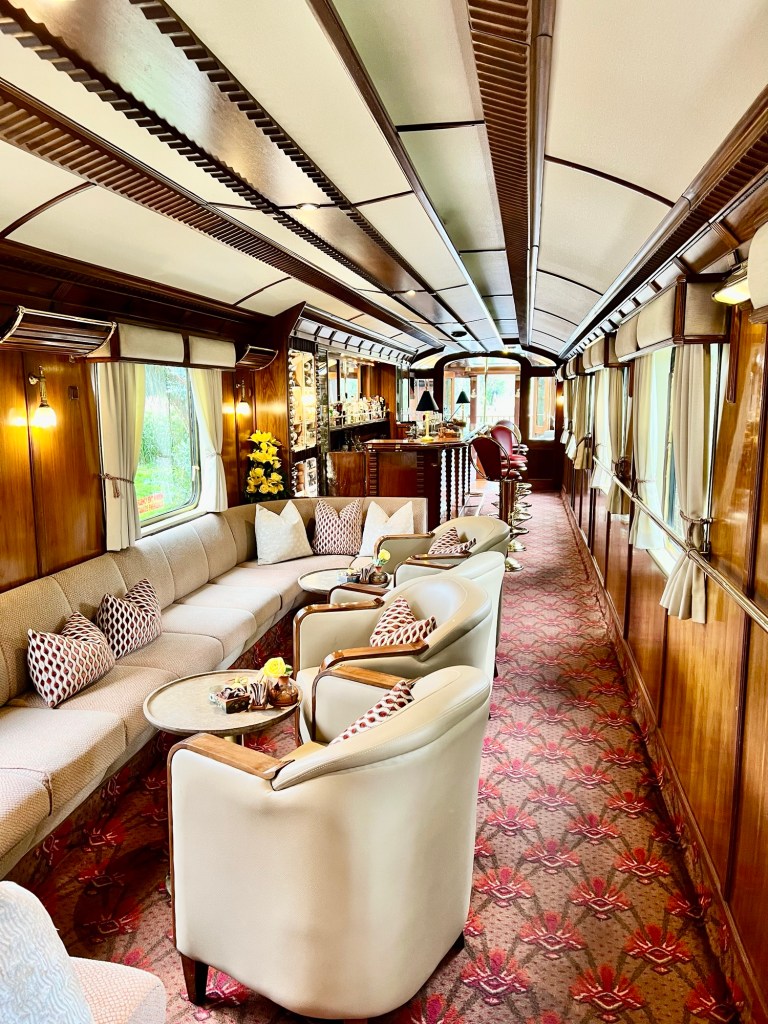
Yesterday we got up at the crack of dawn to travel to Machu Picchu.  The first part of the trip was an hour and a half bus ride from Cusco to the Poroy Train Station where we boarded the historic Hiram-Bingham Luxury Pullman Train. The Hiram-Bingham train follows the Urubamba River through the Sacred Valley of the Incas.  The two hour trip includes brunch, complimentary cocktails and live music.  Pretty cool. 

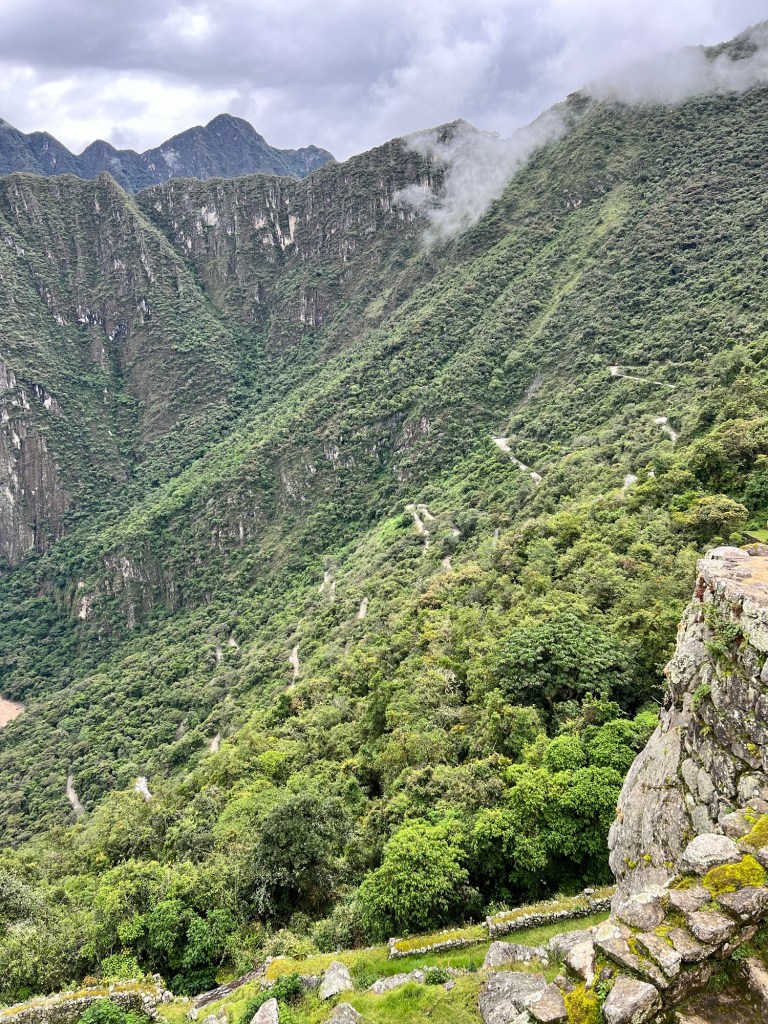
When we arrived at the Machu Picchu Station, we jumped in a bus to travel for about 30 minutes up 13 switchbacks to finally reach the Sanctuary Hotel where we stayed last night.  The Sanctuary Hotel is walking distance to the entrance of Machu Picchu. 

Switchbacks

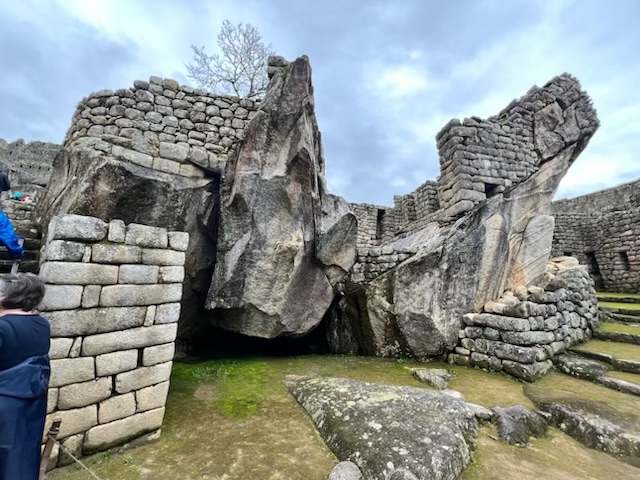
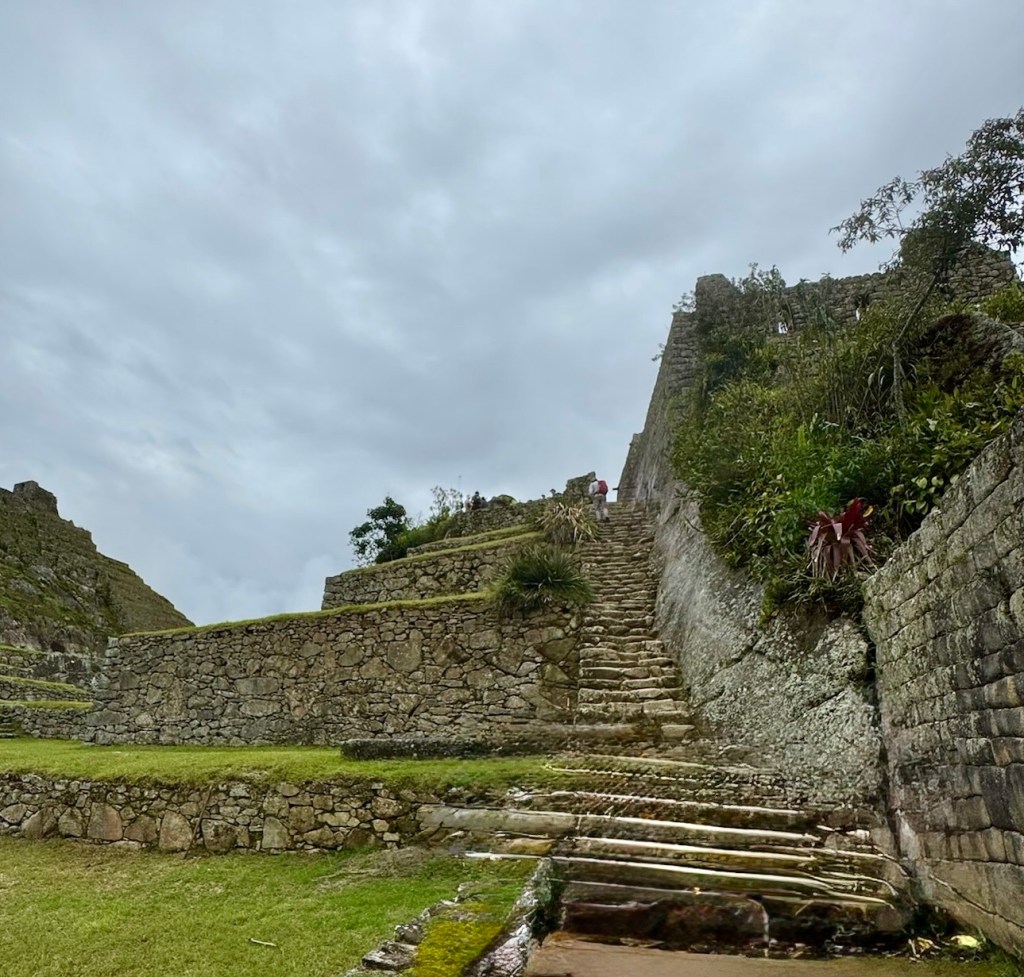
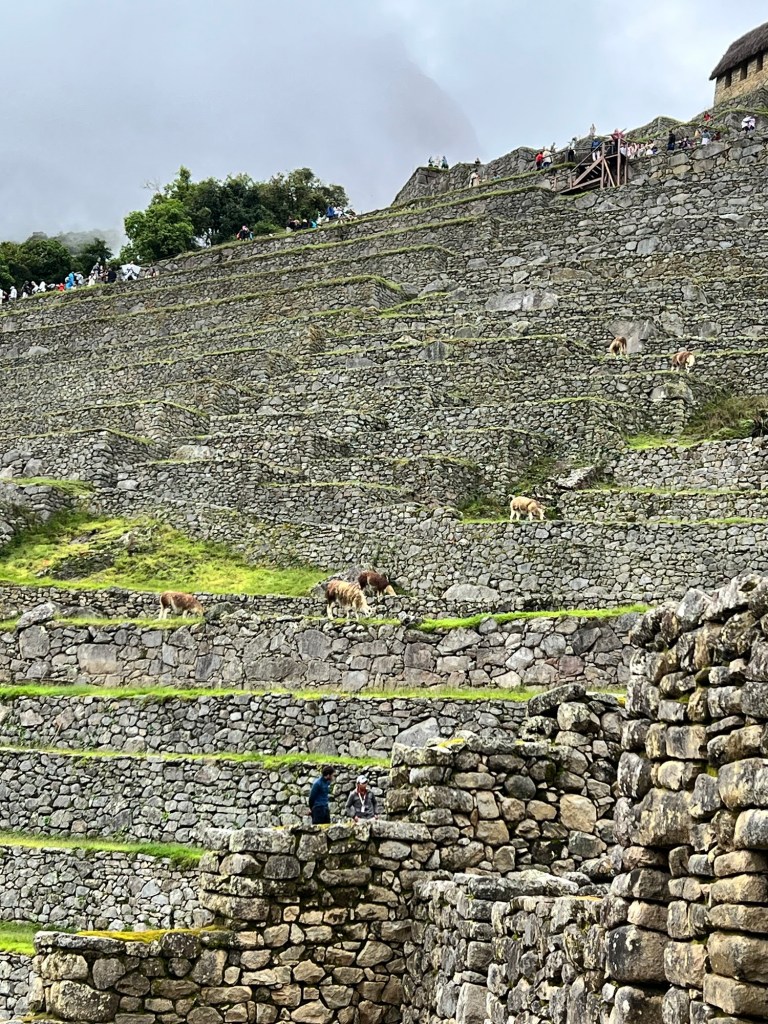
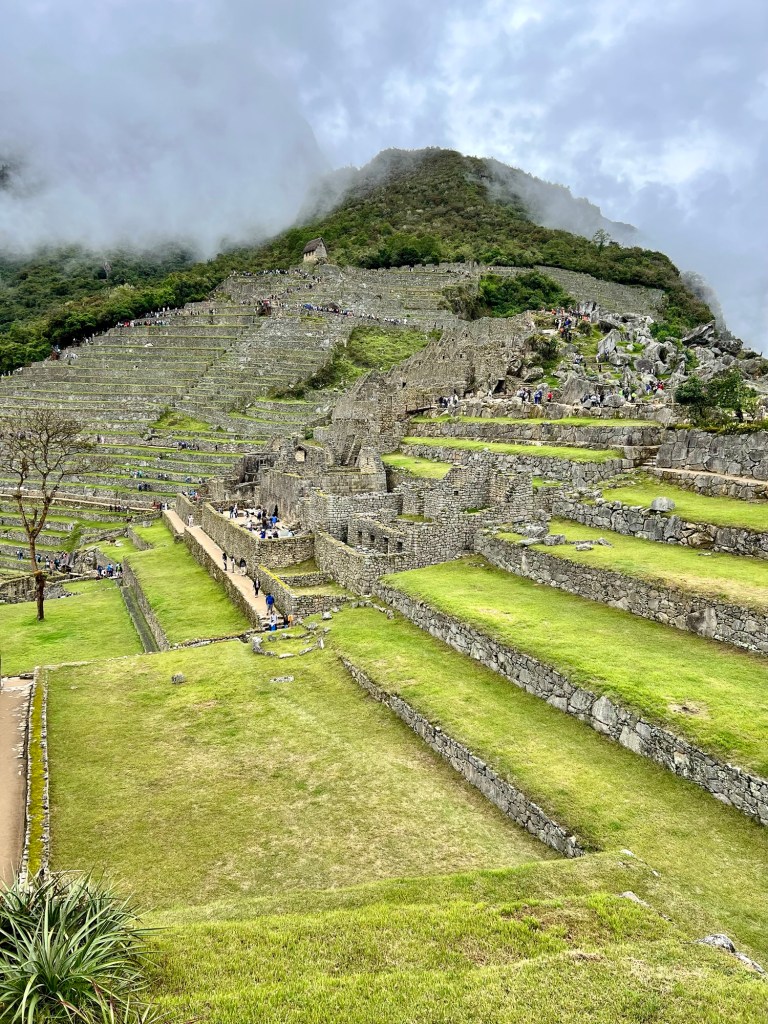
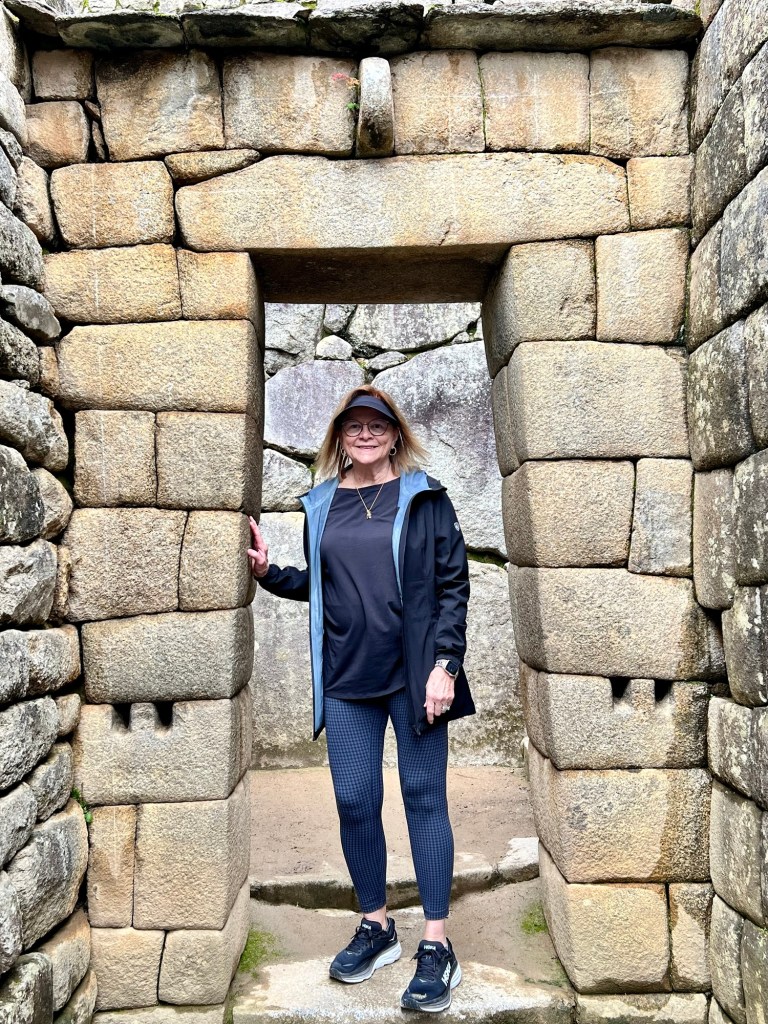
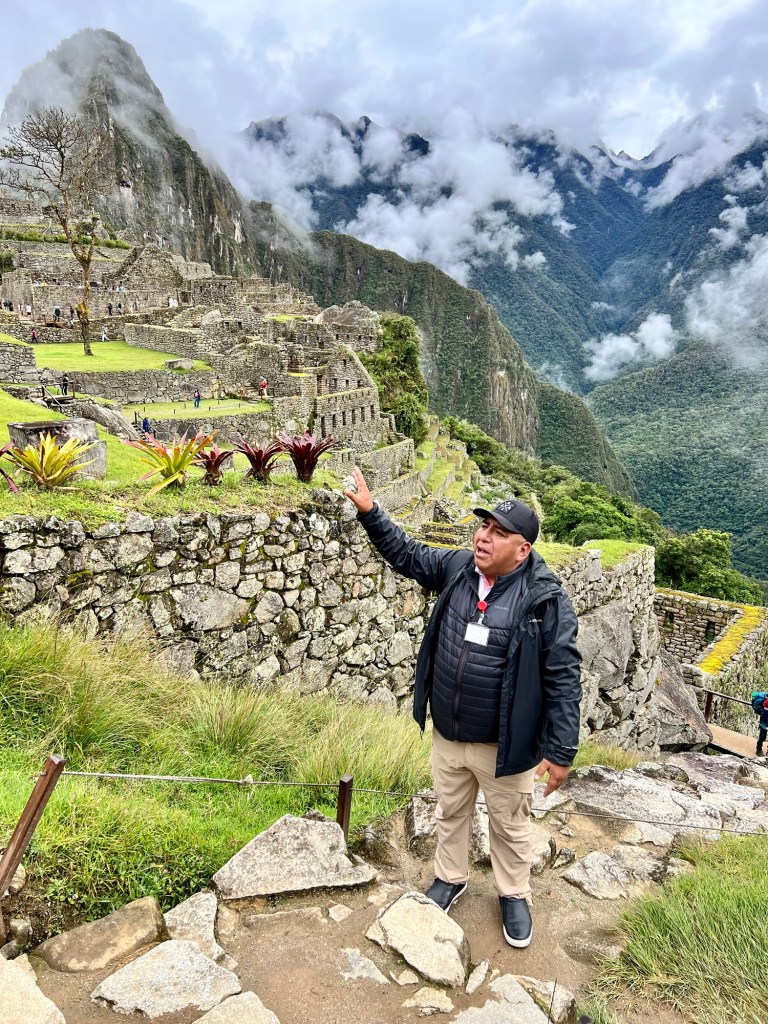
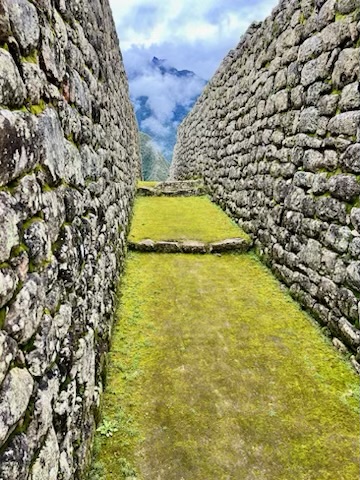
When you finally arrive after all of the traveling, you walk about 100 yards around the corner through the entrance and there it is:  Machu Picchu, one of the most amazing places I have ever seen.  Only pictures can tell the story. 

Roger was in full form with his lectures yesterday, as well as still really mad at the Spanish conquistadors.  He knows his stuff, though.  The history of Machu Picchu is so complicated that I can’t begin to fill in the entire story here.  Basically, the Inca civilization was powerful from 1438 to 1532.   The Incas had no written language, only oral tradition, so there are only theories of why they built Machu Picchu.  Roger said that one of its main uses was probably that of a royal estate for the Inca emperor Pachacuti and his family. The emperor may have used it to host feasts, perform ceremonies, and manage the empire.  Secondly, it is believed that it was a place for religious pilgrimage and sanctuary for the Inca people.  A third theory is Machu Picchu’s location between the Andes and the Amazon jungle may have allowed the Incas to observe astronomical events. The Temple of the Sun and the Intihuatana stone may have been used to observe astronomical phenomena that governed the Incas’ calendar, agricultural seasons, and society.  
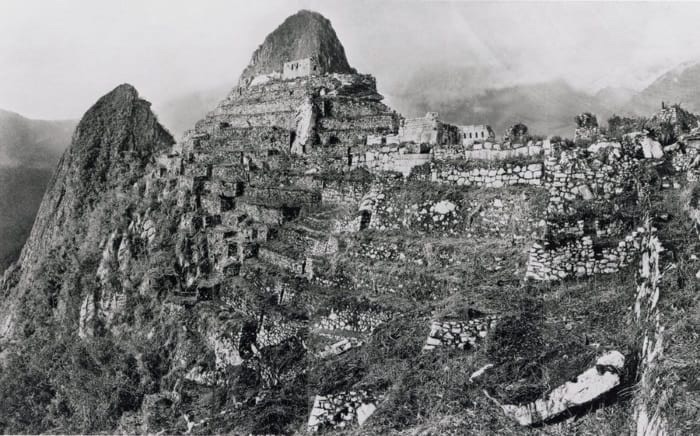
When the Incas were conquered and had to retreat to the jungle in 1532, they destroyed the part of the Inca trail that led to Machu Picchu so the Spaniards could not find it and loot or burn it.  There it sat unknown until Hiram Bingham, a Yale University professor of Latin American history, rediscovered Machu Picchu on July 24, 1911.  Bingham was led to the Inca city by locals and was amazed by the temples, palaces, and fountains he found. He called it the “Lost City of the Incas.”  It had been hidden for close to 400 years.  It was covered with vegetation and the thatch roofs were gone, but the stone work is so perfect that the buildings have stayed largely intact. 

Picture Bingham Took in 1911

Of course the human element in this story is that although it was warm and sunny when we left the Sanctuary Lodge to hike in Machu Picchu yesterday, it started to rain somewhere up the 745 stone steps (our fellow traveler, Stacy, counted the steps, but that did not include the ramps).  At first it was a light rain, then it turned into a heavy rain.  It was muddy, slick and heavy going.  Also, we were at 12,000 feet and not acclimated.  Brutal.  We were asked to bring only light luggage up there, so we had one pair of pants, one jacket, one pair of shoes, a clean shirt and a clean pair of socks and underwear.  By the time we got back to the Sanctuary Lodge at 4 PM, we were all soaked and cold.  We put on the terry cloth robes in the room and hung our soaking wet clothes up.  They didn’t dry at all after a couple of hours, so I used the blow dryer to get them as dry as possible so we could go to dinner.  Miserable.

This morning we visited Machu Picchu again, and tonight we are back in Cusco after a long reverse version of the trip up. 

December 30, 2024 to January 1, 2025:  Atlanta, Georgia to Lima, Peru and on to Cusco, Peru

Well, once again I am determined to write a travel blog to chronicle our latest travel adventures.  I have to get in blog mode and actually force myself to write this thing, but once I get in the groove, it becomes a little easier each day.   Or anyway, I hope so.  A side note to my mostly appreciative audience: Comments are nice. I know WordPress can be difficult to comment on, but if you find it trying, you can always text me. No pressure.

Now onward and upward! On Monday we flew to Lima, Peru from Atlanta, Georgia, a direct flight on Delta Airlines of just under seven hours.  We spent the last couple of nights in a hotel in Lima to rest up and prepare for our trip early this morning to Cusco, a city in the Peruvian Andes that was once the capital of the Inca Empire.  To get to Cusco we had to take another flight from Lima, because the drive would take about 19 hours and the flight is just over an hour.  Then tomorrow morning we board a train, which takes us the last 74 miles or so to Machu Picchu, the “Lost City of the Incas.”  To be truthful, I came into this trip knowing very little about the Incan civilization or Mach Picchu, so I’m a novice.  

New Year’s Eve in Lima

Roger, our guide for today in Cusco and for the next two days in Machu Picchu, is of Incan descent.  Roger understandably has a giant axe to grind with the Spanish conquistadors who conquered the Incas back in 1532, and most notably with Francisco Pizarro, who was the lead conquistador.  Yes, Roger is still mad after 500 years, and I can’t say that I blame him.  Apparently, Pizarro sprang a trap on the last Incan emperor, Atahualpa.  He befriended him, lured Atahualpa to a feast in the emperor’s honor and then opened fire on the unarmed Incans.  With fewer than 200 men against several thousand Spaniards, the Incans never had a chance.  

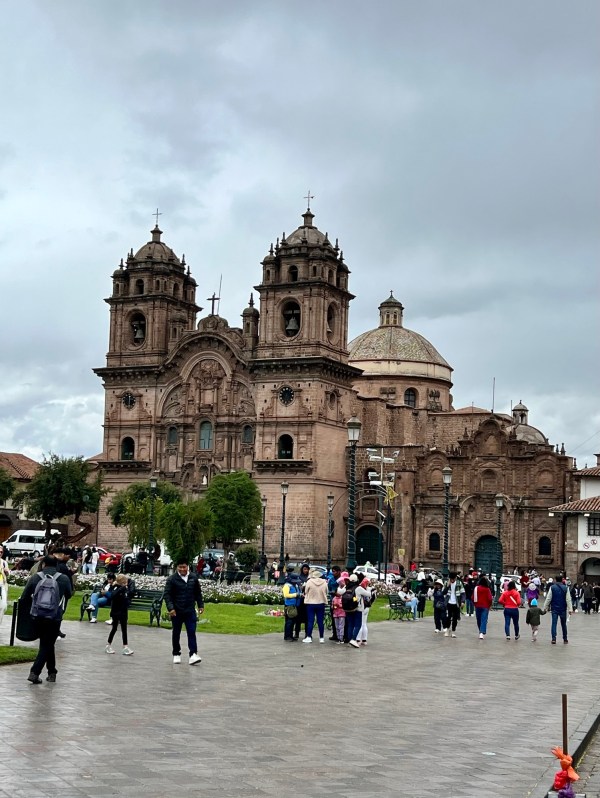
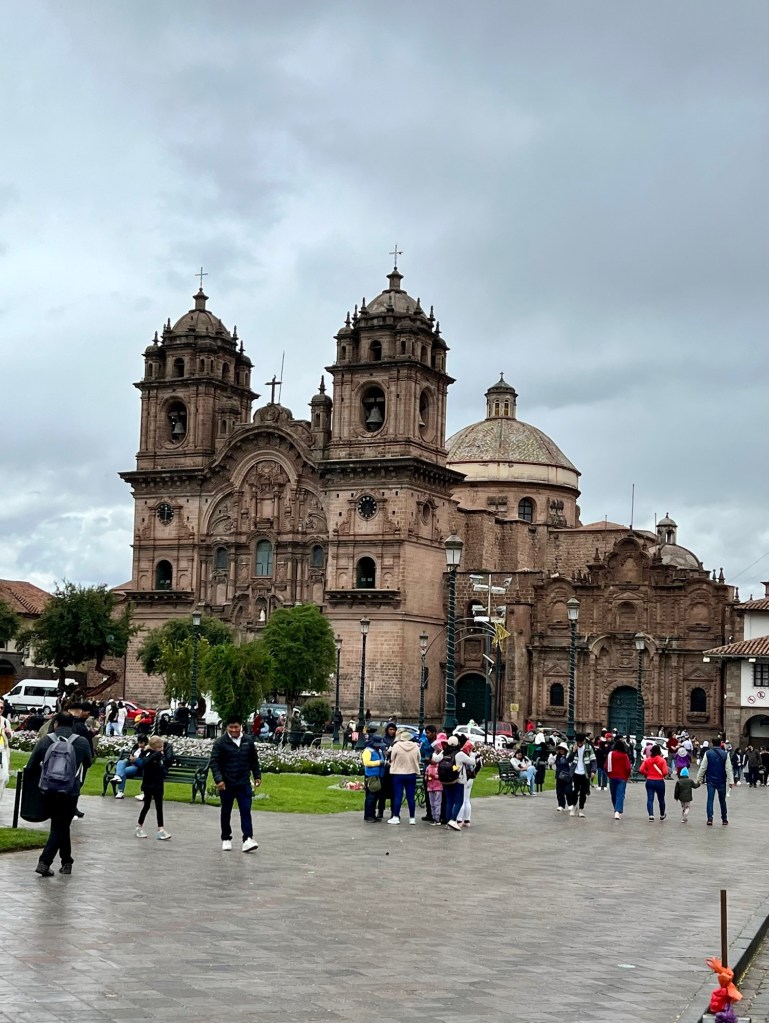
Today, we toured the city of Cuscos.  Roger’s accent and his flare for drama were a little difficult to follow at times, but we did learn some stuff.  First we visited the Plaza de Armas, the central square in the old city, with arcades, carved wooden balconies and Incan wall ruins. Then we toured the Temple of the Sun, or Qoricancha, which was the most important temple in the Inca Empire.  Most of the temple was destroyed after the 16th century war with the Conquistadors (another beef of Roger’s) because the Spanish settlers took it apart to build their own churches and residences.  However, much of the Inca stonework was used as the foundation for the seventeenth-century Santo Domingo Convent that was built in 1538 by the Dominicans, so there’s still evidence of the early Incas.

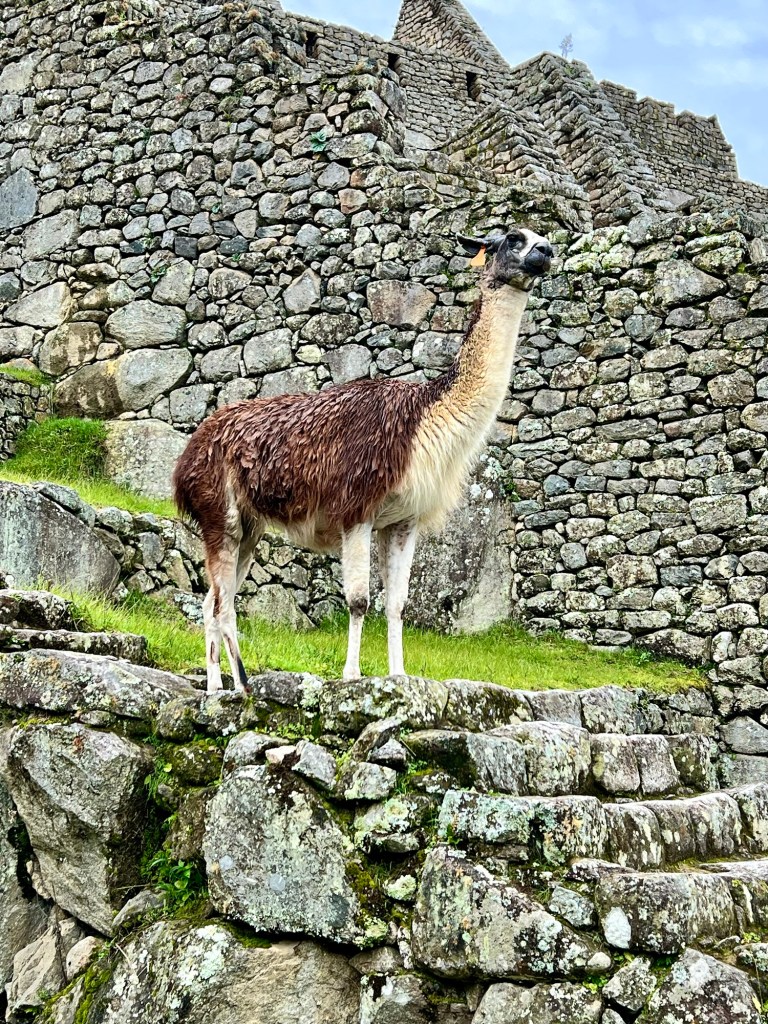
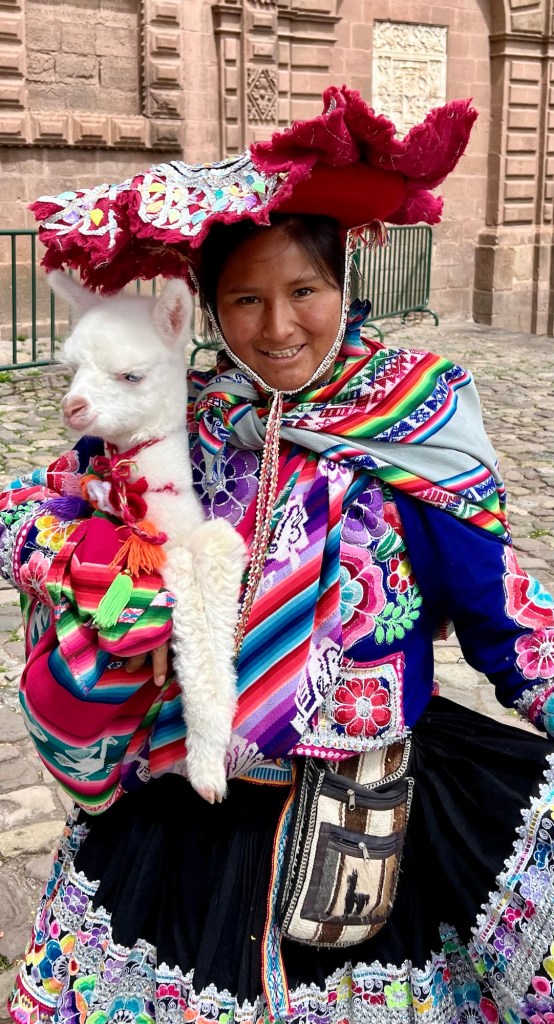
The animal in the last picture is an alpaca. I think. Alpacas have fluffy heads with flatter snouts, softer features and short ears. Llamas are larger and have distinctive banana-shaped or devil horn ears and longer faces. Alpacas have the far superior wool, so there is an alpaca boutique on practically every corner.

After the Temple, we visited the Cathedral of Cuscos, or the Cathedral Basilica of the Virgin of the Assumption, which is the main temple of the city of Cusco.  I was so tired by that point that all I remember is Roger mentioning that some of the chapels in the basilica had a black or dark Jesus to represent the native Incas, and some had a white Jesus.  This was, indeed, true.  They did not allow pictures inside the Cathedral, so the picture below is not mine, but it gives you a good idea of what a small part of it it was like.

At the end of the day we were brought to an historic hotel that was once a monastery, aptly named the Belmond Monasterio.  Predictably, the rooms are quite monasterial, but adequate.  I’m not sure why, but we entered through a door to the chapel adjacent to the hotel. (I think it was for dramatic effect.)

The Entrance to the Hotel

Shawnee, Oklahoma—September 21, 2024

Yesterday morning we left Telluride and drove a long day out of the mountains to Trinidad, Colorado.  We were going to stop over in Durango for a couple of days to camp, but it was supposed to rain, we are out of clean clothes, and we are pretty much ready to go home.  We will arrive home in Georgia on Monday afternoon.  In June and July we were gone 25 days, and this time will have been gone 12 days, so our 2024 Western Adventure has been 37 days total, enough for this year.

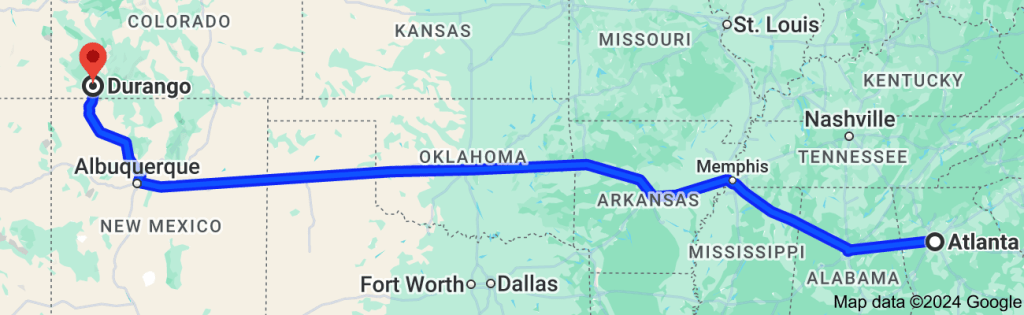
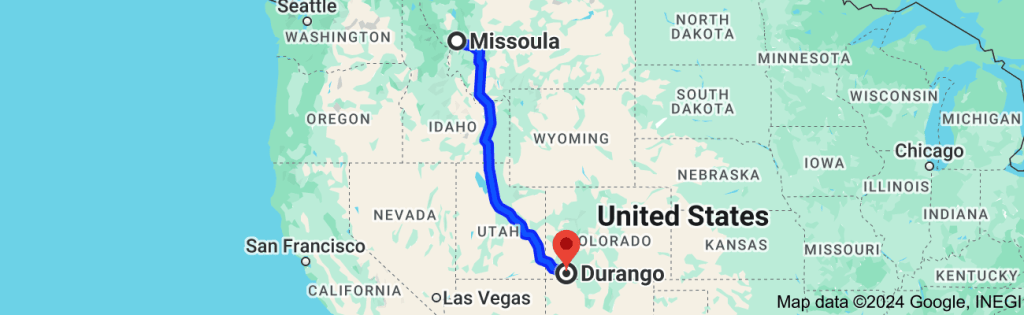
When we reached Durango, Colorado yesterday afternoon, it was “Deja vu all over again” (Yogi Berra, 1961). We are now backtracking across America. The route below is not quite what we did, because after we reached Durango in June, we went through Wyoming to visit the Tetons and Yellowstone. But, to give you a visual:

Georgia to Durango in June
Durango to Glacier in June
Glacier Back to Missoula in June
Missoula to Durango in September
Durango to Georgia in September

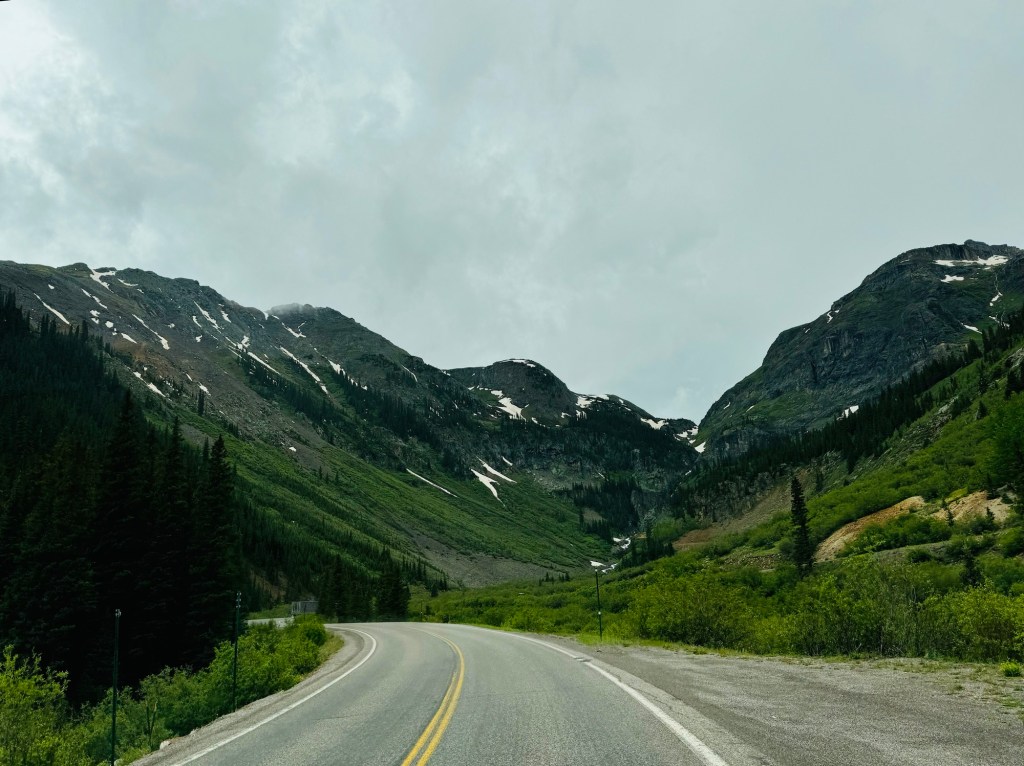
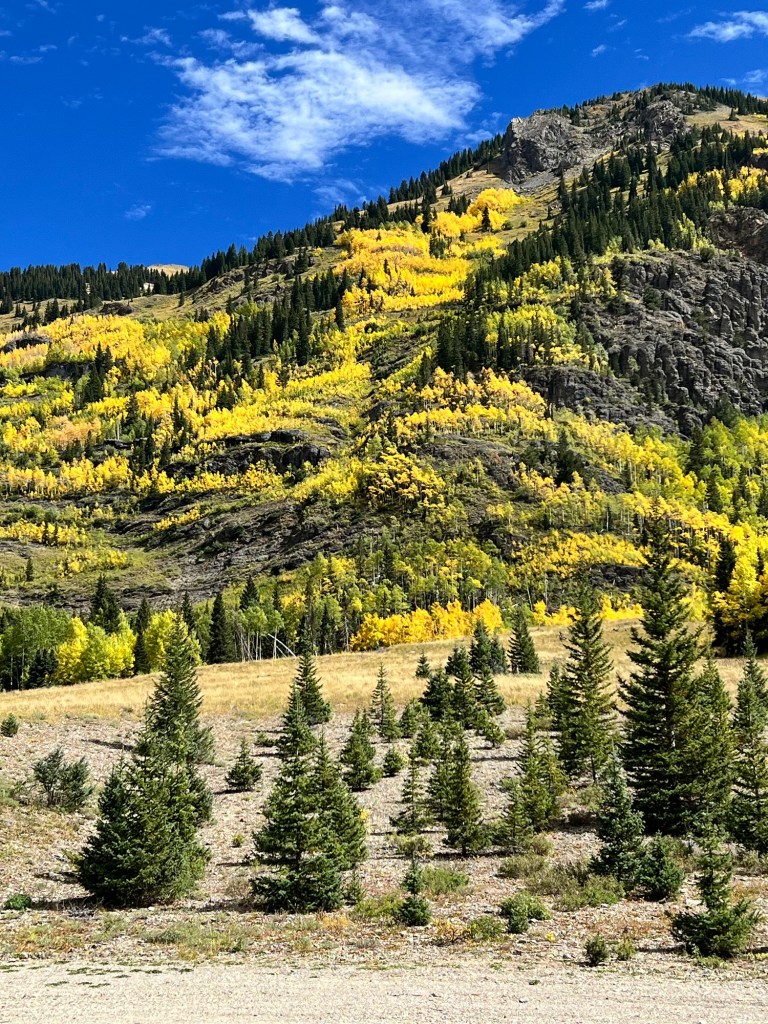
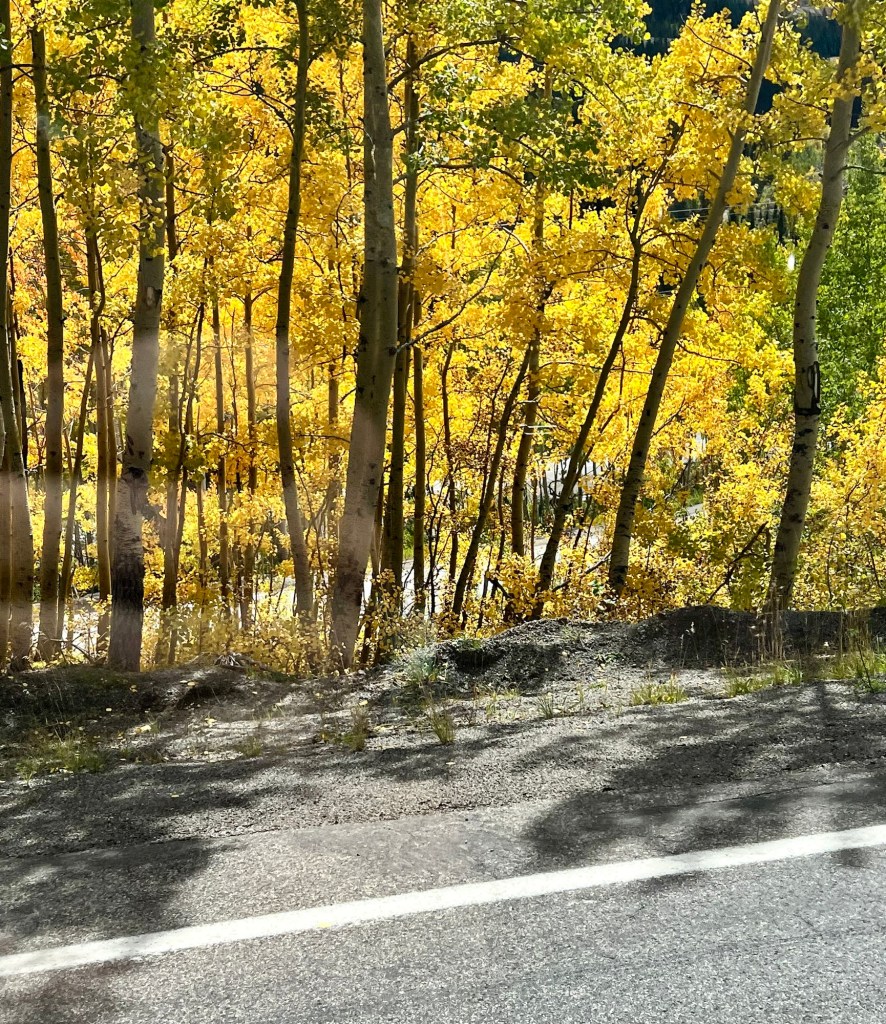
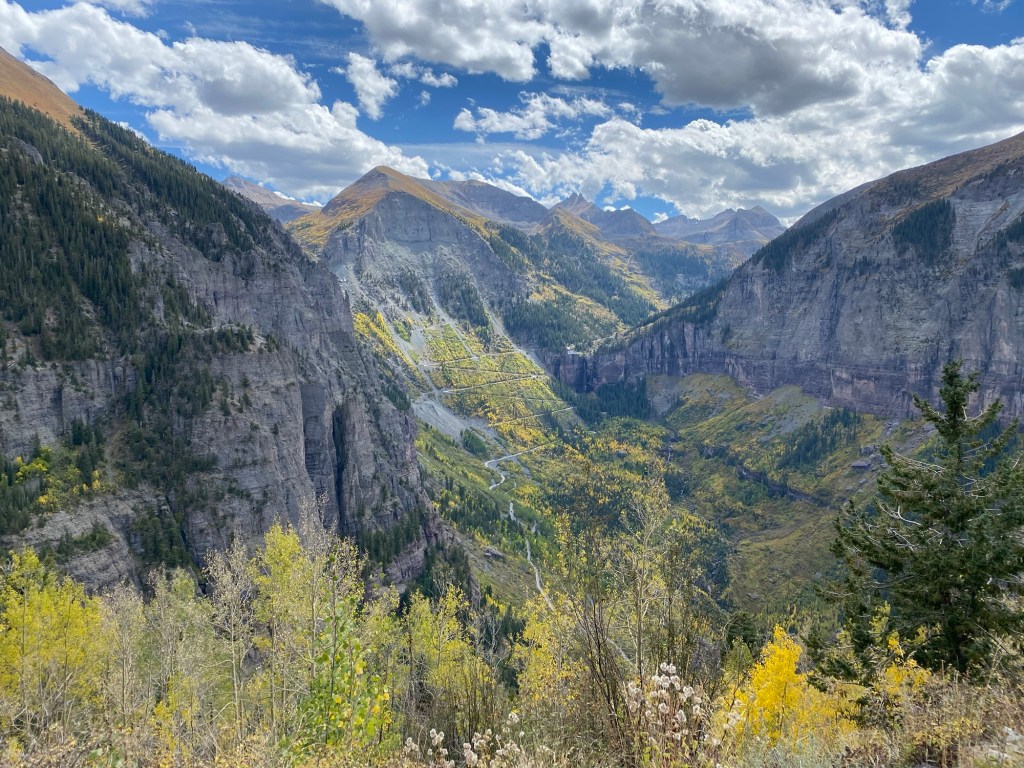
We Below are pictures from the Million Dollar Highway from Ouray to Silverton in June, 2024, and then from yesterday. Not quite in the same place, of course, but what a difference in colors.

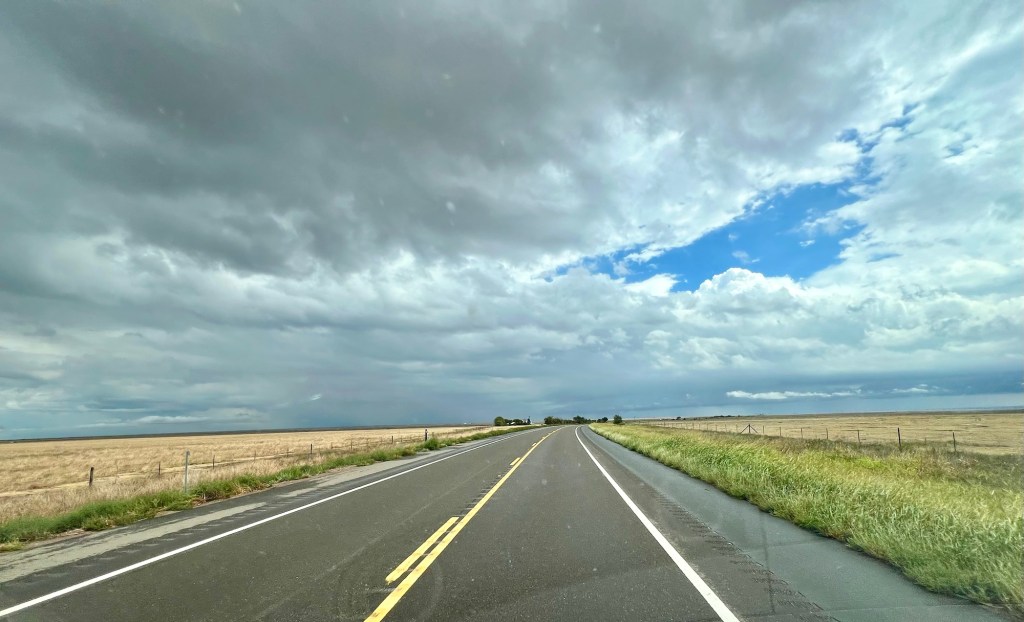
Most of our drive has been scenic and interesting, but it’s so boring to get out of the mountains and back on the interstate to travel across Texas, Oklahoma, Mississippi, and Alabama. In John Steinbeck’s iconic travel book, “Travels With Charley,” he sets out from Long Island, New York with his dog, Charley, to make a cross-country trip to California. This is what he said about interstate highways: “The interstate highway system is a wonderful thing. It makes it possible to go from coast to coast without seeing anything or meeting anybody. If the United States interests you, stay off the interstates.” I agree. The interstate this year in June and then in September:

I know I have mentioned travel books several times in this blog, but if you would like to read some good books about traveling across America, try Bill Bryson’s “The Lost Continent,” Charles Kuralt’s “On the Road,” William Least Heat Moon’s “Blue Highways,” and the aforementioned John Steinbeck’s “Travels With Charley.” (I was on a major reading binge with travel books a few years ago.)

A couple more pictures from yesterday:

Telluride, Colorado—September 19, 2024

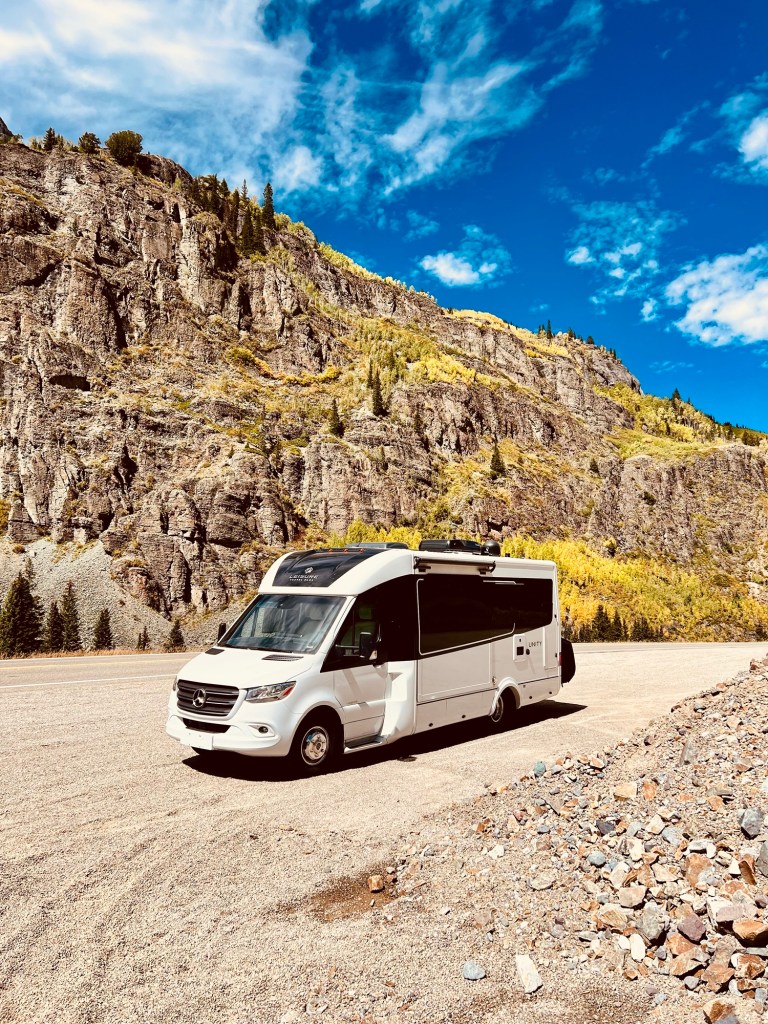
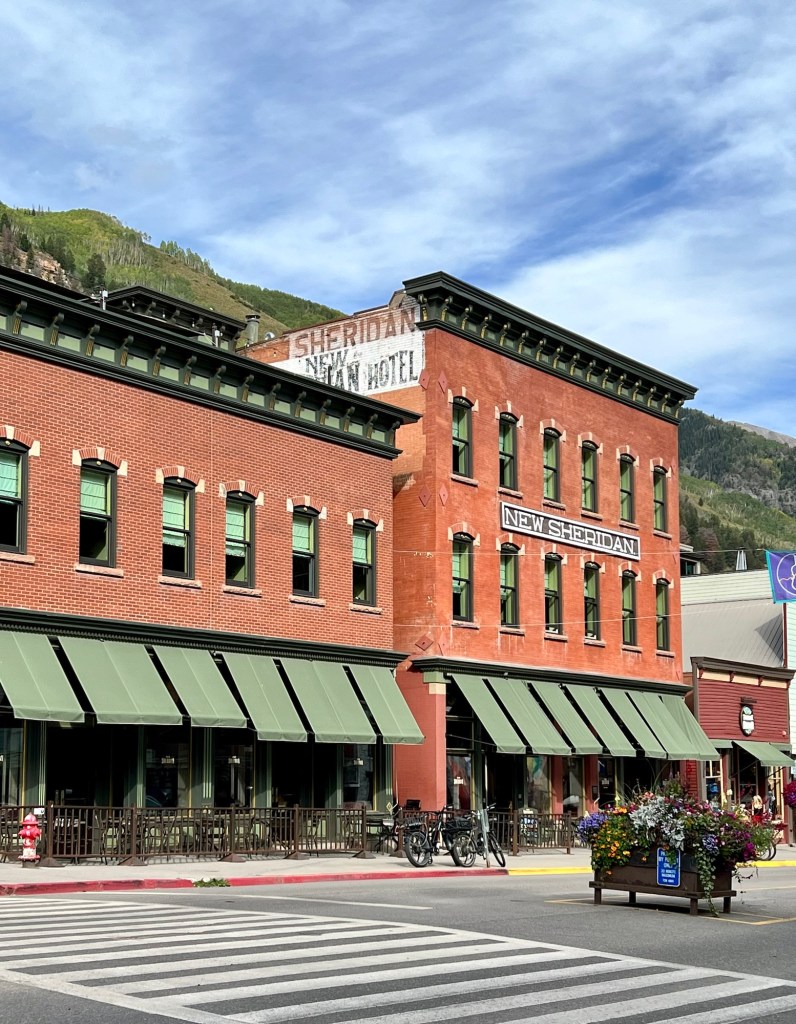
This morning we drove from Moab, Utah to Telluride, Colorado, where we are spending the night at the New Sheridan Hotel.  The New Sheridan was built in 1885 and is on West Colorado Avenue, the main street that runs through the center of town. As usual, parking Vanna in a small mountain town for an overnight stay was a true joy.  Luckily, Telluride has an overnight permitting system, unlike Whitefish and Jackson, Wyoming, where there are signs every six feet that say, “No Overnight Parking, You Big Fat Losers!” In case you are wondering, we stay in Vanna about half the time and in a hotel the other half.  We like to stay in the center of towns where we can walk to shops and restaurants. Camping is fun, but one can enjoy only so much nature on one’s trip.

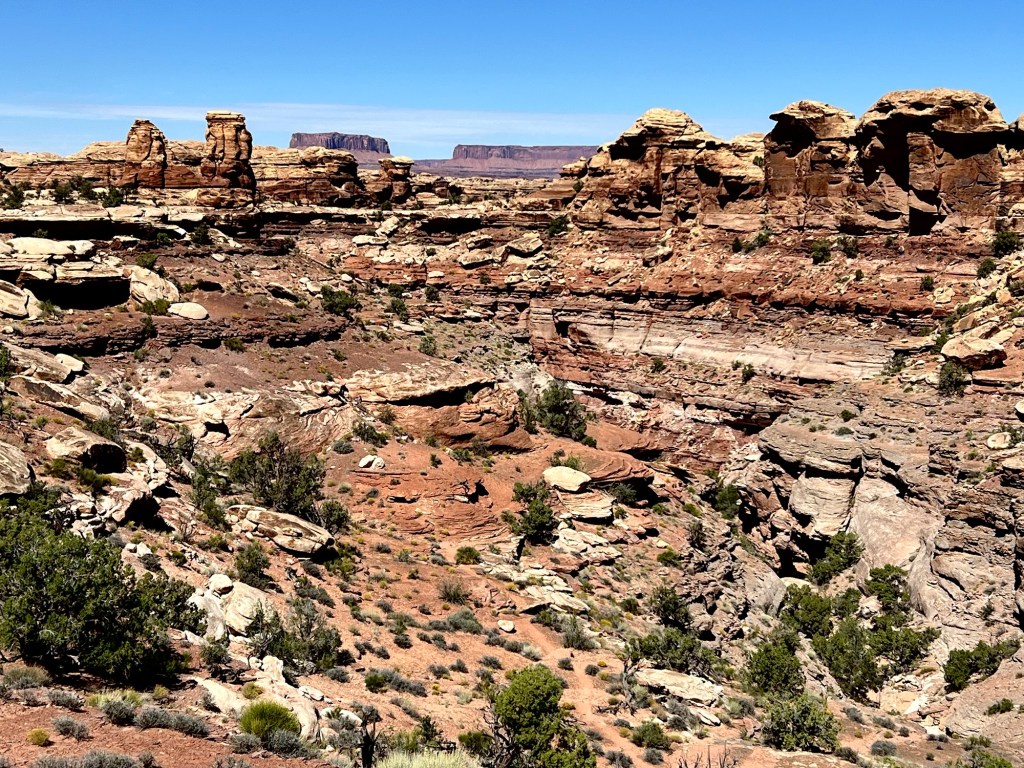
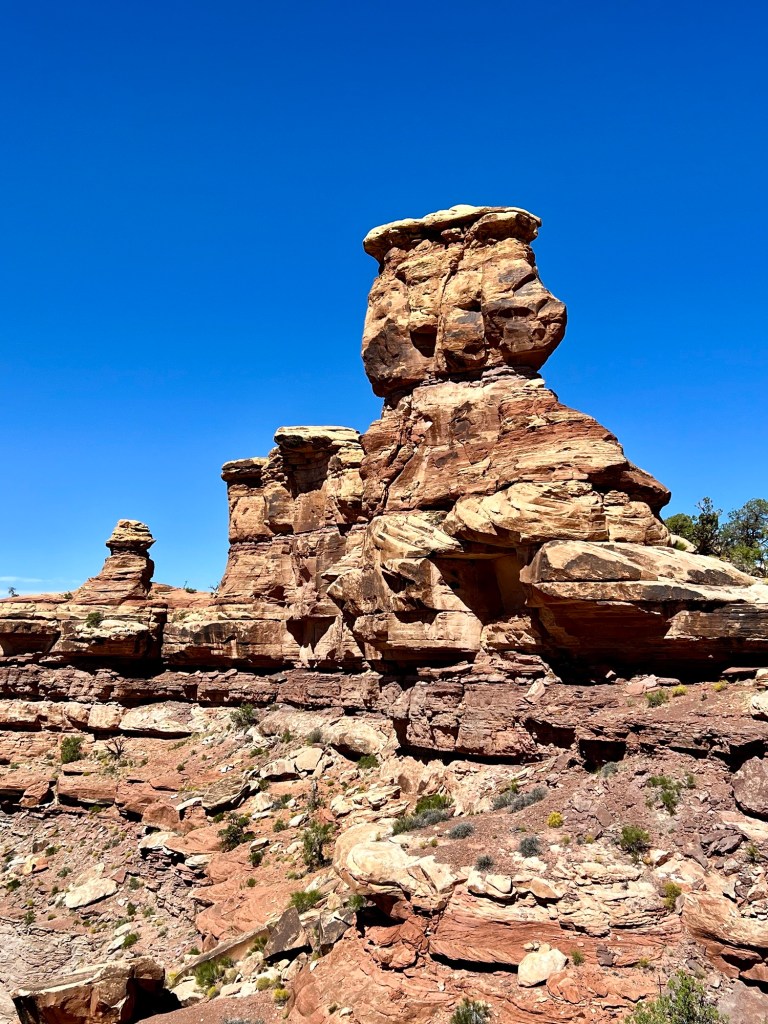
Yesterday on our last day in Moab we drove to the Needles area entrance of the Canyonlands National Park.  Canyonlands includes a colorful landscape of canyons, mesas and buttes by the Colorado and Green Rivers.  There are two paved entrances to the park—Island in the Sky (where we were two days ago on the Shafer four wheel drive trail) and Needles.  What we saw the day before on the Shafer Trail was so spectacular that Needles seemed kind of ho-hum.  All in your perspective, I suppose.  Also, the entire area around Moab is stunning, so the park is just more of the same landscape.  

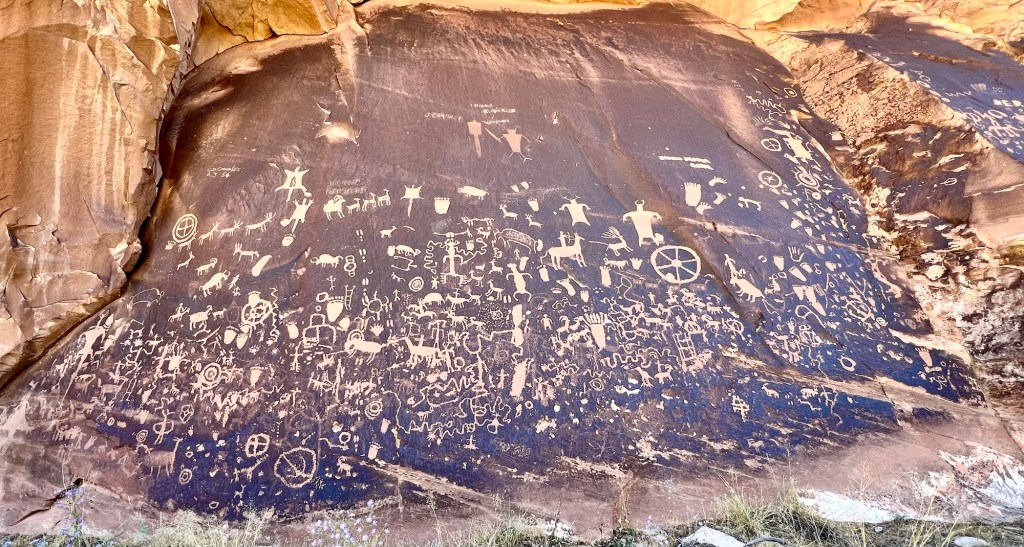
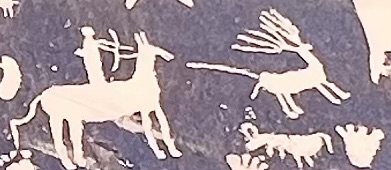
We did stop on the way to the park at Newspaper Rock State Historic Monument, which is a rock panel carved with one of the largest known collections of petroglyphs.  The 200-square-foot rock site is a part of the cliffs all along the upper end of Indian Creek Canyon, and features examples of drawings from a variety of cultures, including the Fremont, Anasazi, Navajo, and other ancestral Puebloan peoples. Petroglyphs are rock carvings (rock paintings are called pictographs) made by pecking directly on the rock surface using a stone chisel and a hammerstone.  Some petroglyphs seem to depict real events, while others appear to be abstract.  Notice in the enlarged picture that the hunter on the horse used a bow and arrow to shoot the deer right in the buttocks.

And finally, in 2021 we were in Telluride after driving in a jeep over Imogene Pass, a much scarier situation than our four wheel drive trip a couple of days ago. Imogene Pass is one way to get here, but definitely not what I would suggest. The jeep in the last picture was high-centered on a big rock and had to be towed out backwards. Scariest thing I have ever seen.

Four-Wheelin’ Around Moab, Utah—September 17, 2024

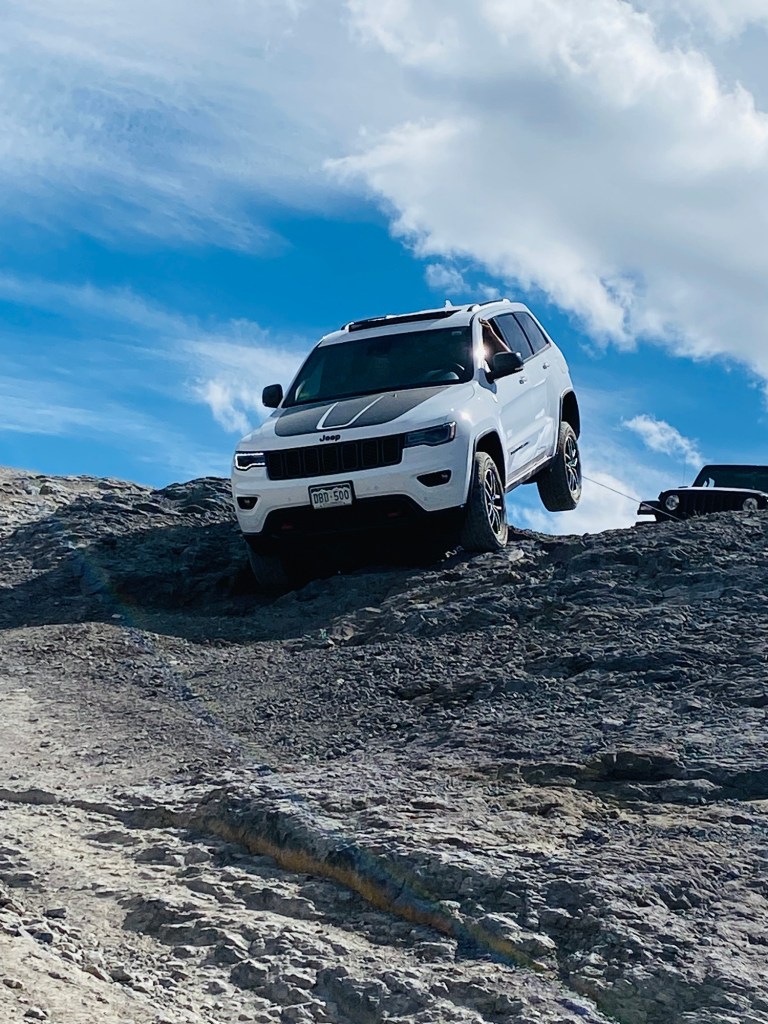
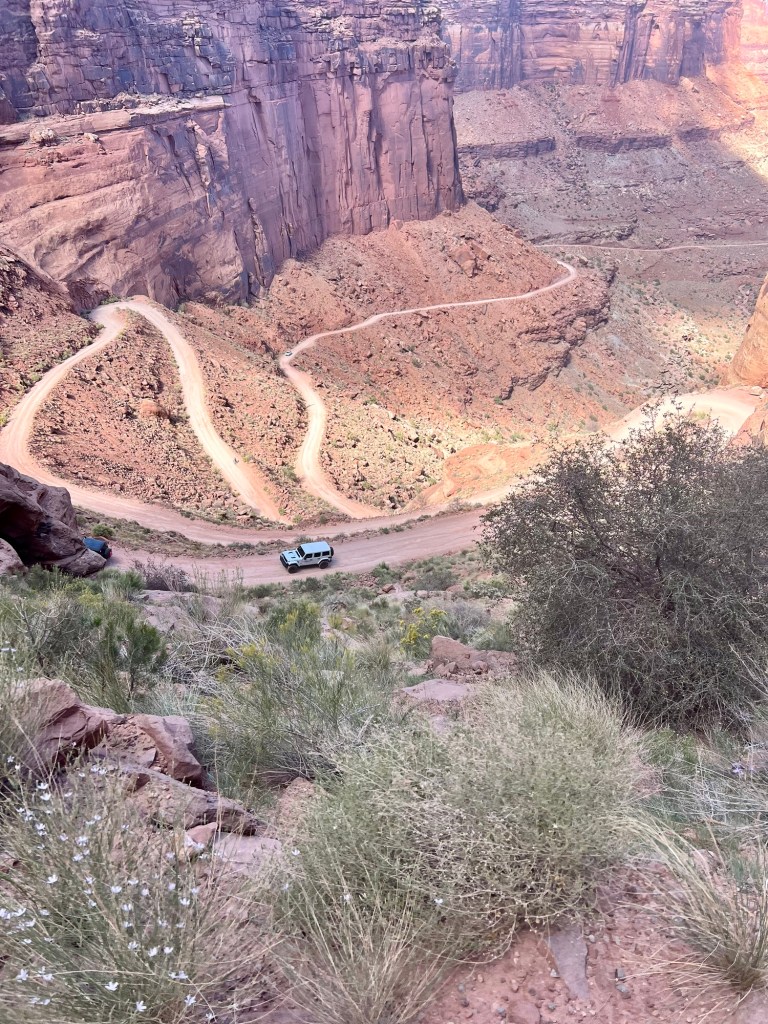
Today we went on a couple of four wheel drive trails up in the mountains, down in the canyons, across the switchbacks, over the river and through the valleys.  The jeep rental company gave us a booklet and it suggested for “easy” trails, we should go up on the Gemini Bridges Trail (13 miles), then into Canyonlands National Park, and then take the Shafer Trail (18 miles) back down.  The booklet said that the Gemini Bridges Trail was “moderate” and the Shafer Trail was “easy.”  Perhaps moderate and easy for some, but teeth-jarring and neck and back stiffening for anyone over 50. Maybe we are just too old for this crap?  I thought the day would never end. Anyway, we ran the gauntlet, so pictures there must be.  

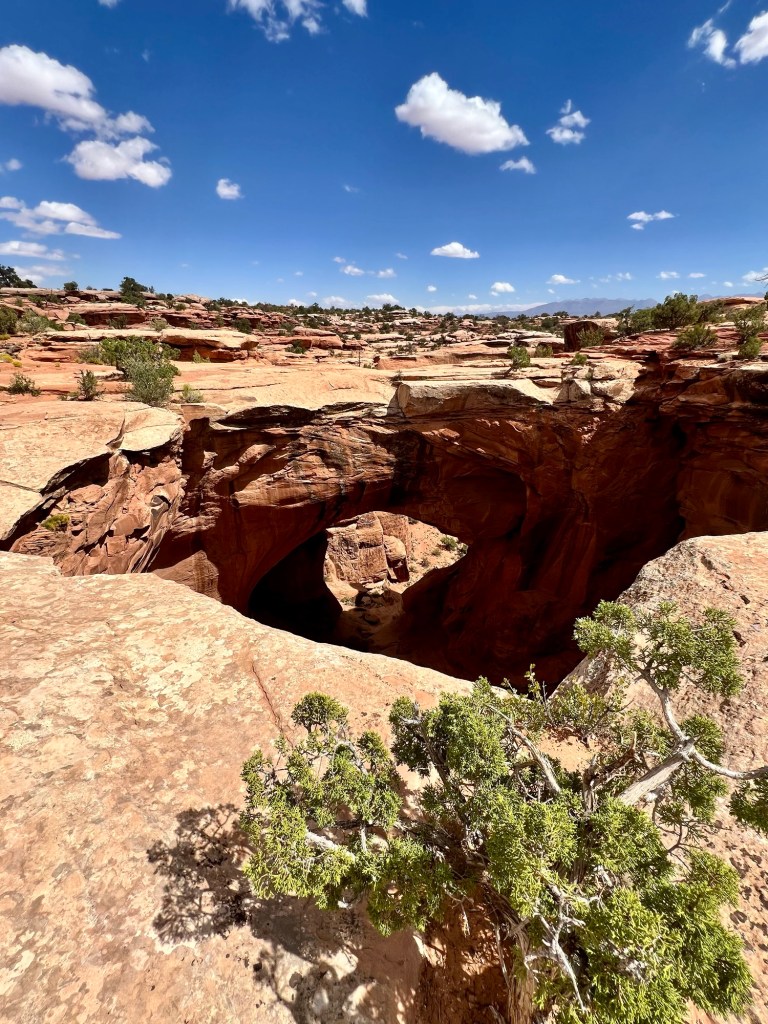
First, pictures of the two Gemini Bridges, which are huge sandstone arches. Pretty cool.

By the way, have you seen the UTV’s (utility task vehicles) they drive off road on the trails now? I’m guessing not. They seat people side by side and look a bit like a spider when they are moving. I do not claim to understand the suspension system, but they kind of crawl over rocks and hills with their tires in different positions. We saw a ton of them today.

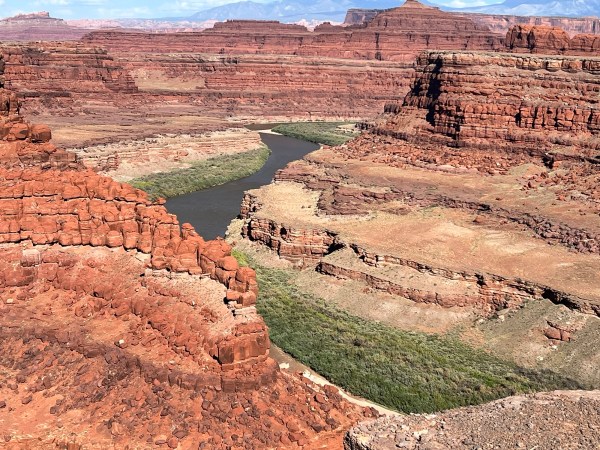
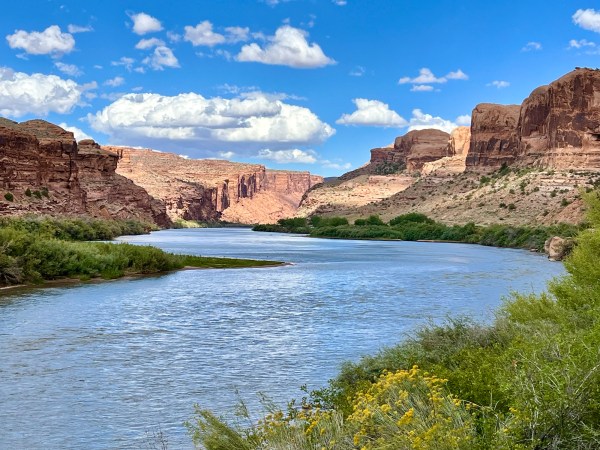
After that, we were on the Shafer Trail. It was a bit scary in places. The body of water is the Colorado River.

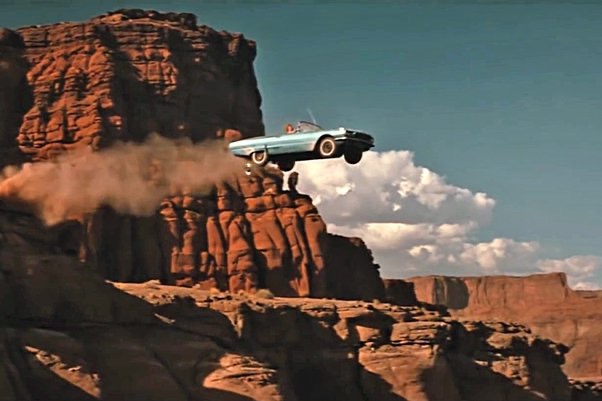
Remember when Thelma and Louise drove their 1966 Ford Thunderbird convertible off the cliff? Well, that was at Dead Horse Pointe, right where we were today. Although the final scene was supposed to be at the Grand Canyon, it was filmed right here in Utah. The first picture is approximately where they filmed the “going off the cliff scene.” The second picture is a stock picture of them going off the cliff, which looks pretty fake.

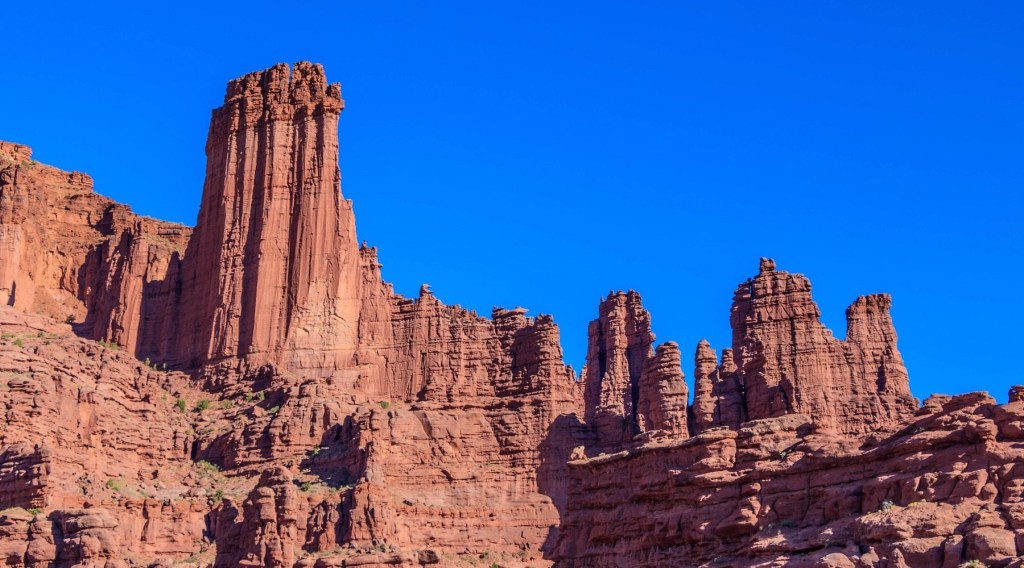
Oh, and Doug had another dessert for breakfast at the Moab Diner before we set out this morning called Fisher Towers French Toast, named after Fishers Towers near Moab. Don’t worry, he didn’t eat the butter.

Arches National Park—September 16, 2024

Yesterday we drove from Mt. Pleasant, Utah to Moab, Utah, a distance of about 185 miles.  Moab is lovely little historic town located about 5 miles from Arches National Park and about 30 miles from Canyonland National Park.  The Colorado River runs through the Moab Valley right by Moab the town.

Colorado River at Moab

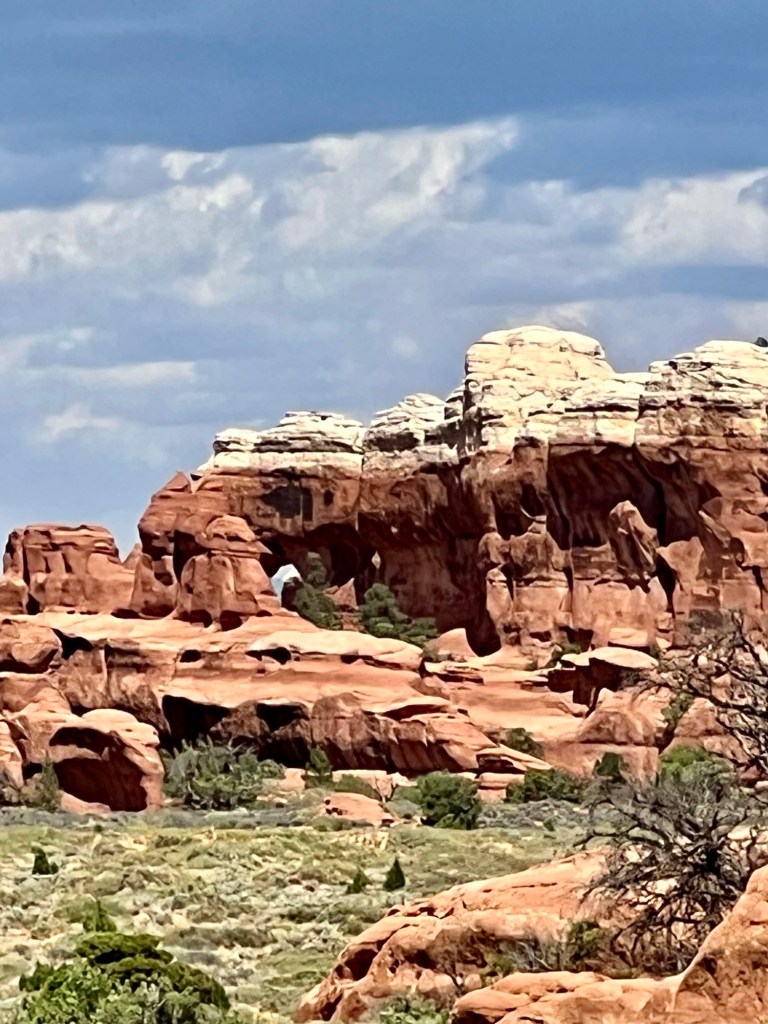
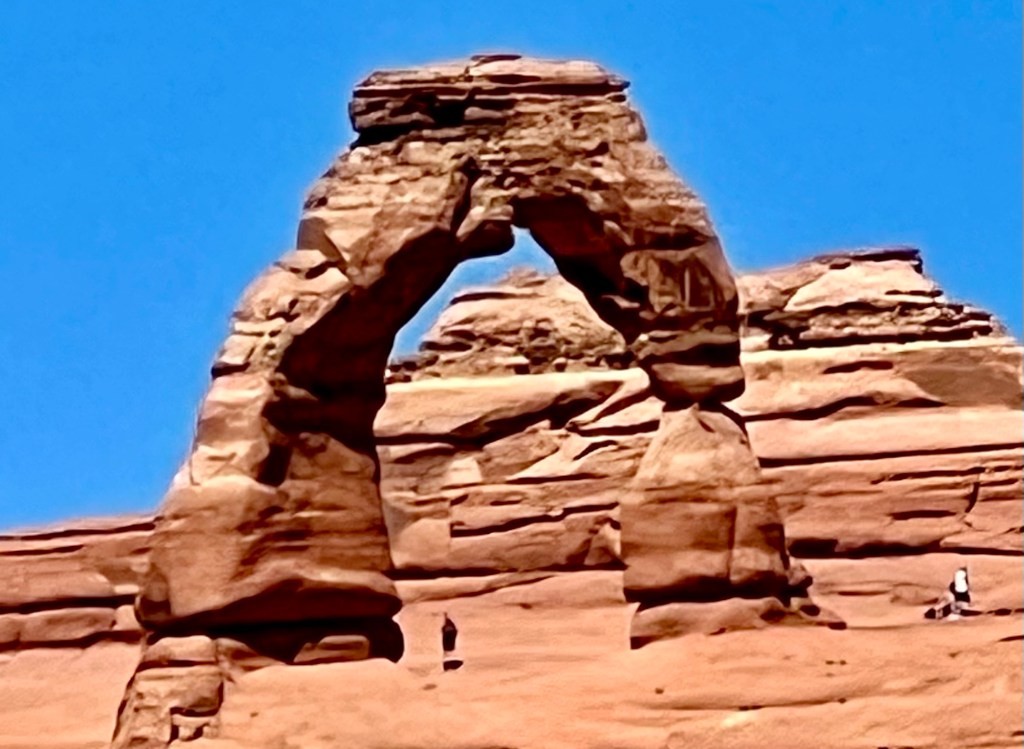
Today we visited Arches National Park, which is 73,234 acres of eroded sandstone fins, towers, ribs, gargoyles, hoodoos, balanced rocks, and arches.  Delicate Arch is the most well-known of these arches with its 65-foot arc, but there are over 2,000 arches cataloged in Arches National Park.  The park includes the largest proliferation of arches in the world, including Double O Arch, Broken Arch, Landscape Arch, Windows Loop, and Tower Arch. The Delicate Arch might be the one everyone has seen most often, as it’s the iconic image for Utah. Guess which of the following pictures is of Delicate Arch?

When I read that Arches has formations called hoodoos, I was confused.  I only know about the hoodoo that is a set of spiritual practices that were created by African American slaves in the south. Remember the book and movie “Midnight in the Garden of Good and Evil?”  The title alludes to the hoodoo notion of “midnight,” the period between the time for good magic (11:30pm to midnight) and the time for evil magic (midnight to 12:30am). What I didn’t know was that a hoodoo is also a column or pinnacle of weathered rock.  Apparently, there is a connection between hoodoo spirituality and a hoodoo rock formation.  A hoodoo rock resembles a strange human form, often topped by an overhanging ‘hat’ of harder rock.  For example, in Bryce Canyon National park, Native Americans considered hoodoos petrified remains of ancient beings who had been sanctioned for misbehavior.  The best example of hoodoos is the first photo. Don’t they do look like people? The second photo reminds me of a dinosaur—or I suppose a hoodoo dinosaur.

Today when we were driving around the park, Doug kept pointing out scenic or interesting things to me. It’s nice that he does this, but after several hours of it, I grow weary of acting interested. It reminded me of the time that Mom and Dad and their good friends Jay and Marilyn came to see us when we lived in Estes Park, Colorado for a short time in the 90’s. Estes Park is right at the entrance of Rocky Mountain National Park, so we decided to drive through the park one day while they were there. Doug drove and Daddy rode shotgun, while the rest of us sat in the back of the van. Of course, Daddy had a primo seat and could see everything, so he started yelling, “scenery alert!” every time he saw anything pretty. Since Doug was driving and the rest of us were sitting in the back with less of a panoramic view, there were several times when we couldn’t even see what Dad was pointing out. After a long day of this, Mom had finally reached her limit and said, “Les, give it a rest on the scenery alerts.” So when Doug points out the umpteenth thing of the day, all I have to do is say, “scenery alert!” and he gets the message.

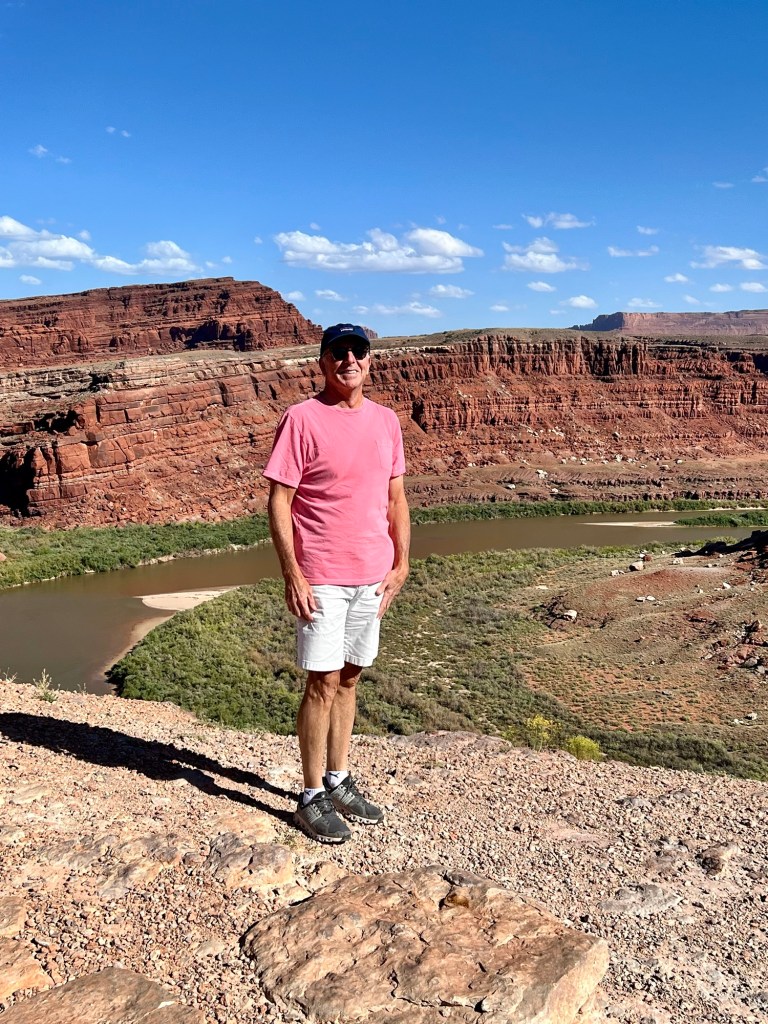
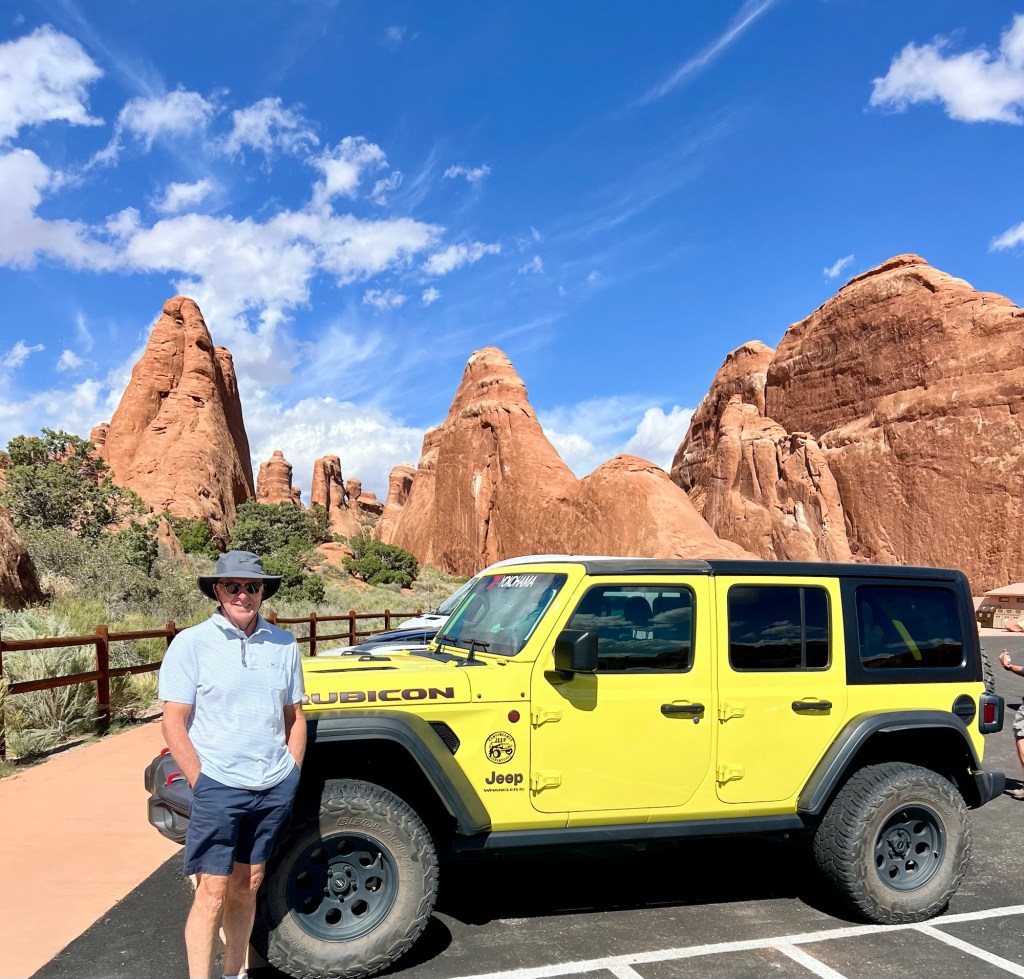
Doug by the Yellow Jeep we Rented Because we are Sick of Vanna

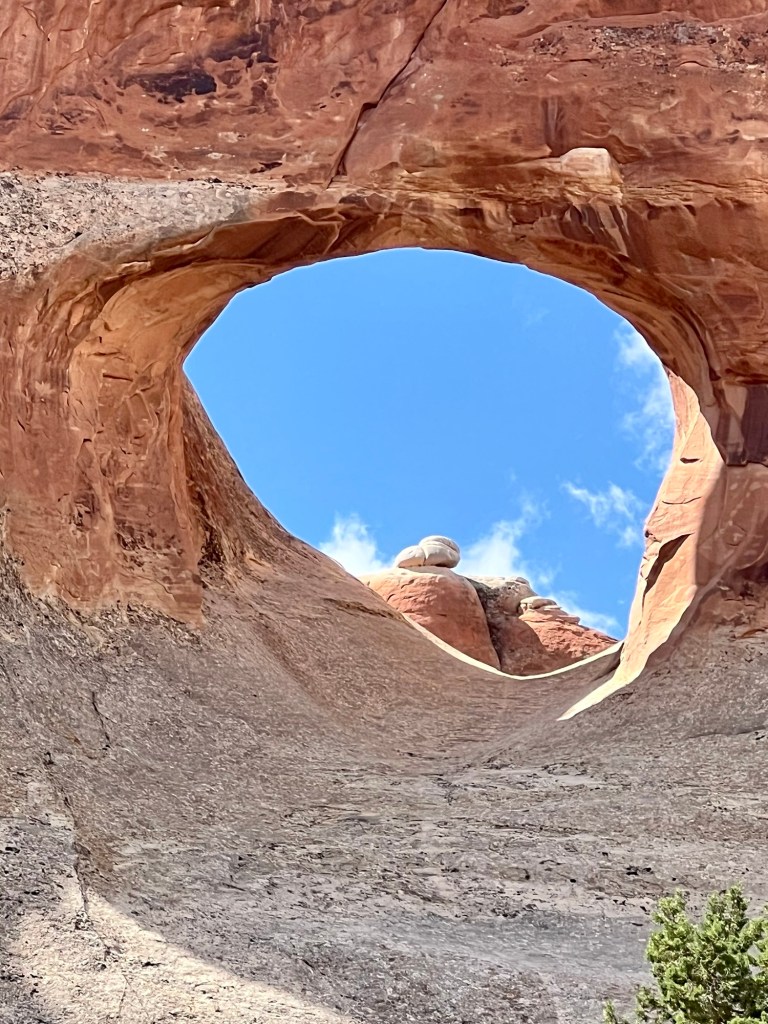
And finally, some arches:

Mount Pleasant, Utah—September 14, 2024

Today we drove about 260 miles south from Pocatello, Idaho to Mt. Pleasant, Utah.  Mt. Pleasant is a small town about 100 miles south of Salt Lake City, and is just a stop over on the way to Moab, Utah, where we plan on spending spending the next few days seeing Arches National Park.  In case you are wondering, we aren’t just randomly driving around out here, although it does seem that way some days.  We are actually driving southeast towards home, but there’s a lot of meandering involved along the way.  Here’s a picture of Vanna hanging with the big girls at a rest stop in Utah today:  

This morning we ate breakfast at a local place called Abracadabras.  They had incorporated a magic theme into the decor—think black top hat light fixtures and silver cutout stars hanging from the ceiling.  Doug ordered the Cap’n Crunch Encrusted French Toast.  Seriously.  I said, “What are you, twelve years old?”  The serving staff were all non-traditional hippie types.  Our server had on a tee shirt that said, “I Hate People,” and another server had on a shirt that said, “Bite Me.”  They all seemed nice, so I guess the shirts were an attempt at keeping it light.  When we left, our server told us to have “the best day of your lives.”  

Cap’n Crunch Encrusted French Toast

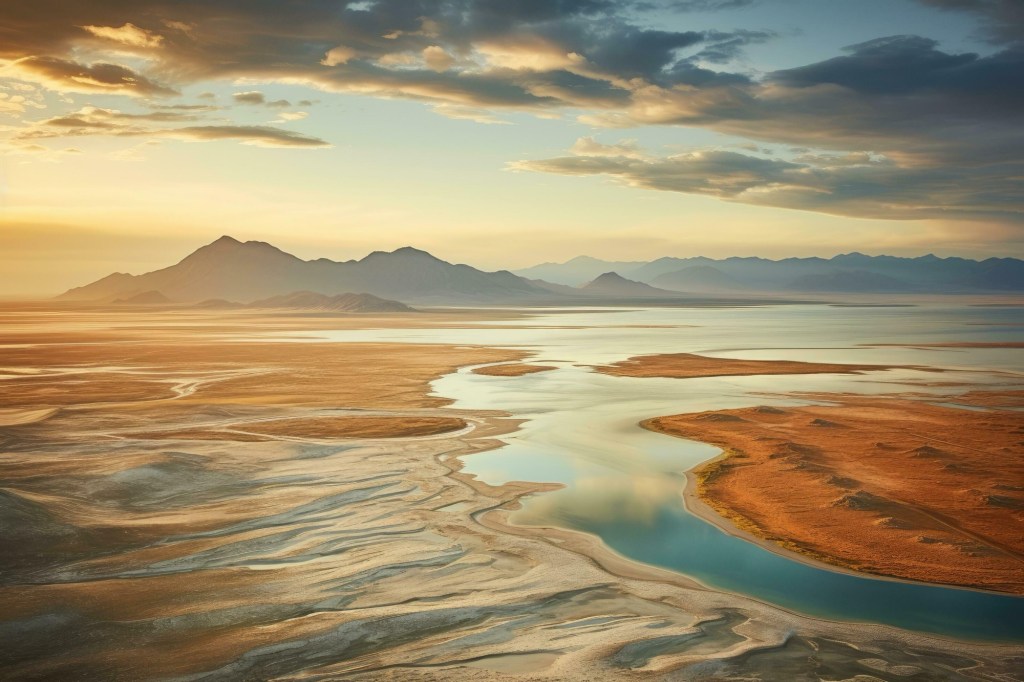
As we drove through Salt Lake City today, Doug kept asking me random questions that could only be answered by Mr. Google. “How much saltier is the Great Salt Lake than the ocean?” Well, according to the Utah State Parks site, the Great Salt Lake is 2 to 9 times more salty than the ocean. “Why is it salty?” A short search on Google got me this: The lake’s three major tributaries, the Jordan, Weber, and Bear Rivers together deposit about 1.1 million tons of minerals in the lake per year and it has no terminal outlet except for evaporation. So, these minerals accumulate and give the water a high salt content. I guess this is marginally more interesting than playing the “spot all of the license plates from different states” game. Of course, I didn’t take this picture of the Great Salt Lake, but I thought it was pretty:

On a side note, in my blog from June and July when we were out west the first time, I mentioned a raft trip down the Snake River in the Tetons that we took with our little girls circa 1980. When I arrived home, I found the picture. What a sweet memory.

Ann, Julie, Sara, Carrie

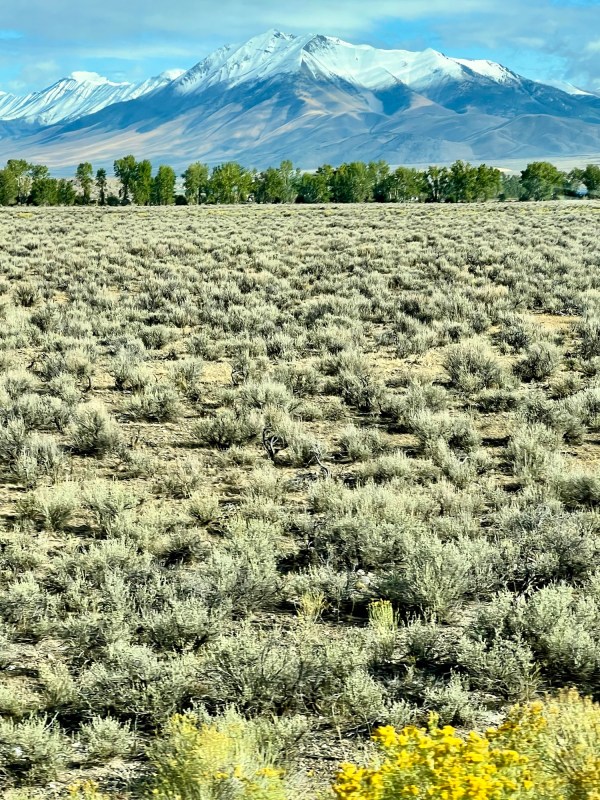
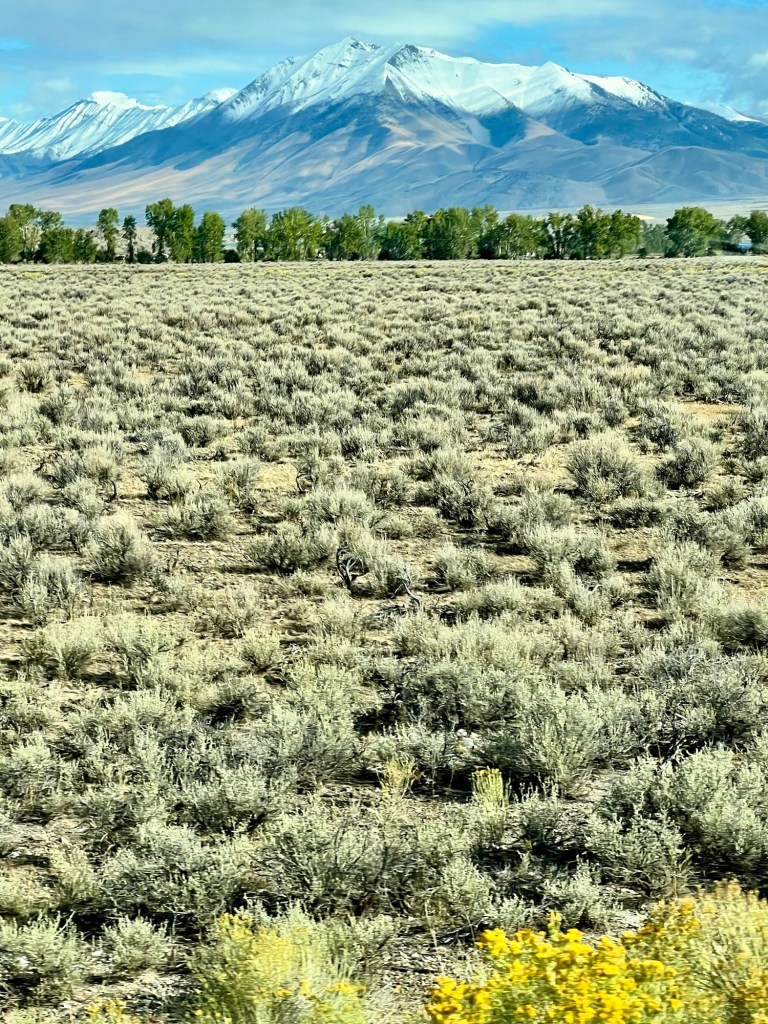
And, one more picture from Idaho yesterday morning.

Pocatello, Idaho—September 13, 2024

For the last couple of days we have been driving south through Idaho towards Utah.  We haven’t had a signal for a major part of the trip, so we have been using Vanna’s GPS.   Yesterday, on our way to a campground near Ketchum, the GPS took us on a “shortcut” which included an unpaved road.  Initially, we were lulled into a false sense of security, because the first 20 miles or so were paved.  When we hit the unpaved section, we should have turned back immediately, but wishful thinking told us that our GPS wouldn’t take us on a wild goose chase (and remember, one of us has a strict no backtracking policy).  After a long time on the gravel road, we came to a sign that said, “Stop! Narrow steep road!  No trailers past this point, you stupid morons!”  Or something very similar. 

So, we had to turn around and backtrack on the same washboard road several miles.  We were still on said horrible road when we noticed a campground along the way called Phi Kappa.  (I know, it’s a weird name for a campground.) We had no earthly idea where we were, but we were tired and pretty much over the entire day.  We never made it to Ketchum, but Phi Kappa was beautiful. Pictures follow of our campsite. If you notice, Vanna’s front tires are in the air because there is an automatic leveling system.

Vanna at Phi Kappa Campground, Back of Beyond, Idaho

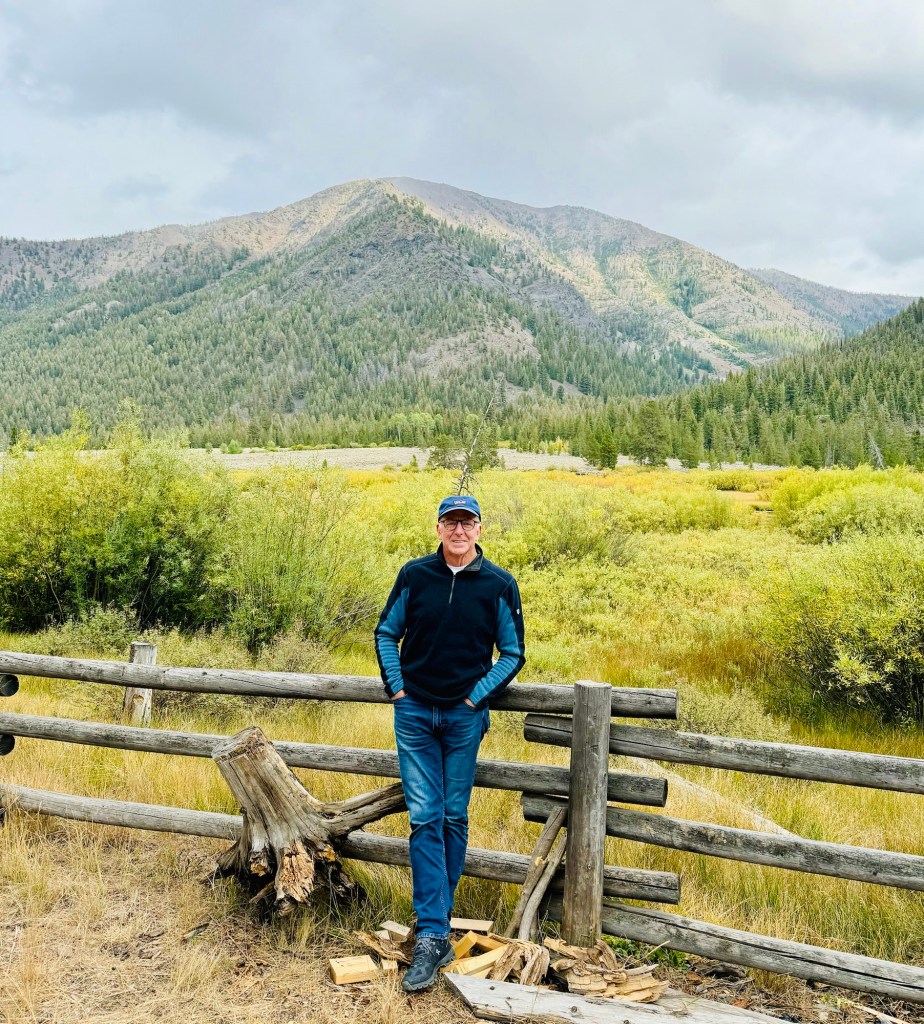
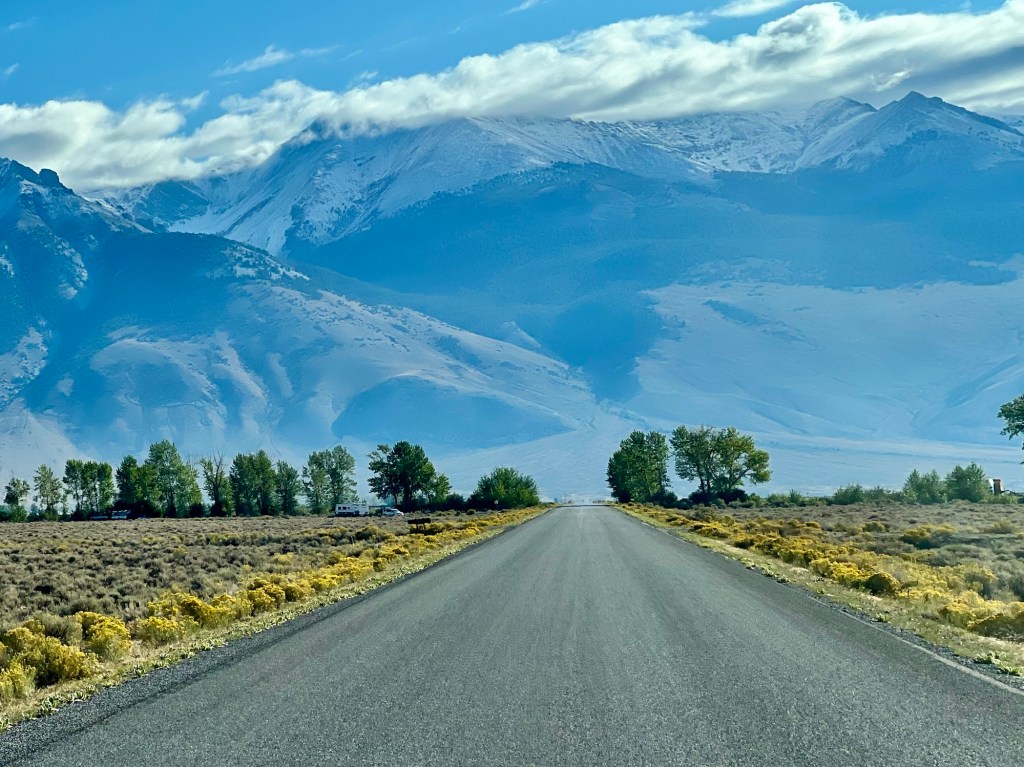
If you think this sounds like a dumb, disorganized travel story, wait for it.  We actually have a nice Rand McNally Road Atlas (large print version) in the van specifically for situations just like yesterday.  We brought it because signals are sparse out here and a GPS can give you really sketchy information.  When we finally looked at it yesterday afternoon, Doug had neatly pre-highlighted the correct route.  Why didn’t we look at it earlier?  I do not have a plausible answer. However, the entire mishap was almost worth it for the view driving out this morning.

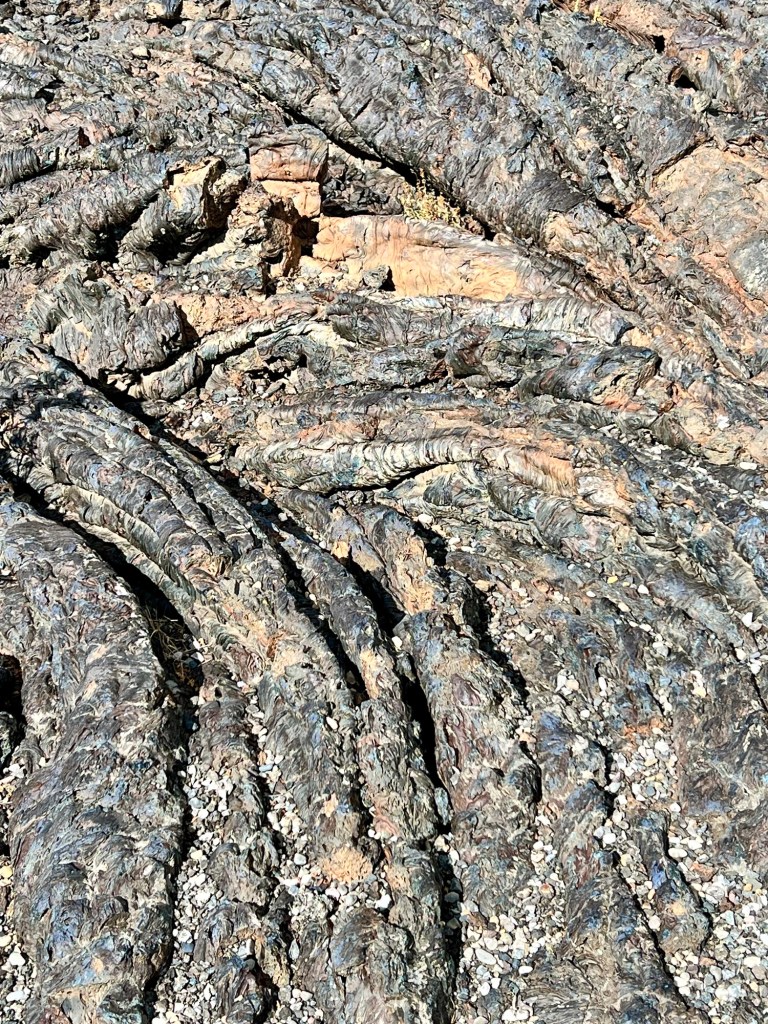
After leaving the wilds of the back of nowhere, we drove south to Craters of the Moon National Monument and Preserve near Arco, Idaho.  The Monument and Preserve encompass three major lava fields which lie along the Great Rift of Idaho, a 62 mile long fissure zone that arcs across the eastern Snake River Plain.  This is, of course, an extremely simplistic description of a major geological feature, but it was cool, so I took some pictures.    

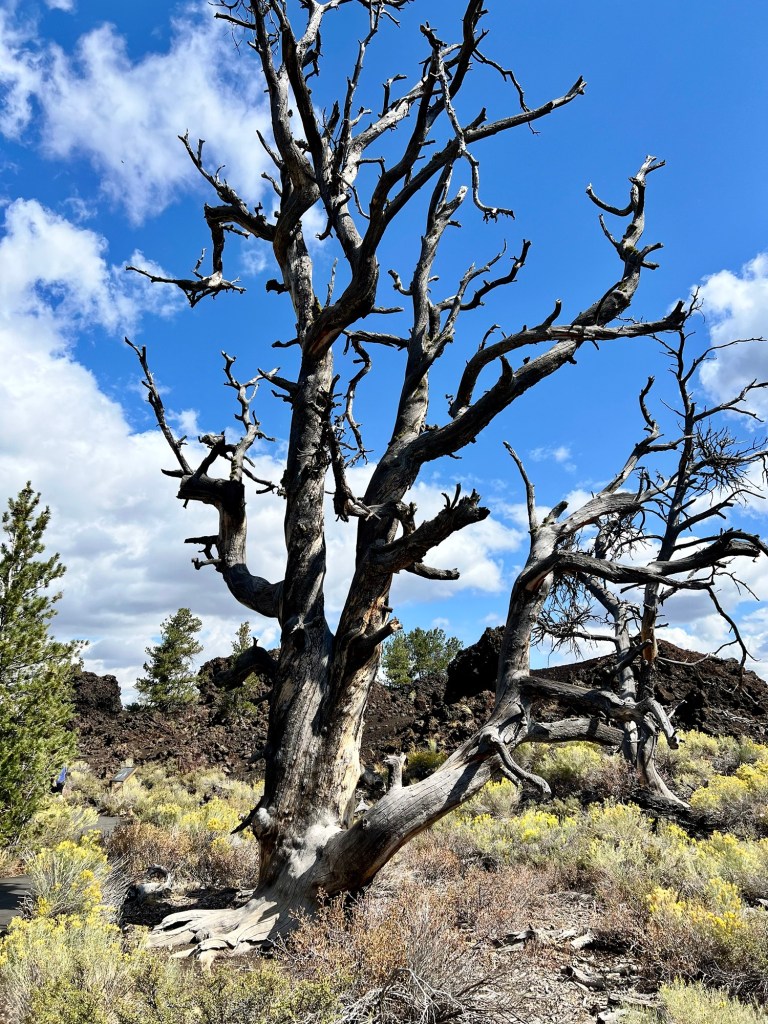
If you are wondering about the dead tree, there are many of them scattered across the landscape. Apparently in the 1960s, park managers cut and poisoned more than 6,000 trees at Craters of the Moon. The trees were not invasive species and they posed no threat to visitor safety, but The National Park Service justified this management as a way to protect forest health. These trees were resilient enough to grow in a lava field and then some idiots came along and killed them. Pretty sad.

I was wondering today why some places in the United States are designated as monuments, so I looked it up. The Antiquities Act of 1906 gives presidents the power to proclaim national monuments through executive action.  President Theodore Roosevelt used the act to declare Devils Tower in Wyoming as the first U.S. national monument.  President Calvin Coolidge established Craters of the Moon National Monument in 1924, preserving “a weird and scenic landscape, peculiar to itself.”  There are 134 national monuments in the U.S. Some of the most famous of these are the Statue of Liberty, Mount Rushmore, the Liberty Bell and the Lincoln Memorial.

Tonight we are in Pocatello, Idaho, home of Idaho State University and also the United States Smile Capital.  Apparently, there is some archaic ordinance in Pocatello that makes it illegal not to smile. Strange.

Note: A small correction for my September 12th blog:  I called the ranch in “Yellowstone” both Sutton and Dutton.  It’s Dutton.  Apologies to all of you “Yellowstone” fans.

Retrieving Vanna in Montana—September 12, 2024

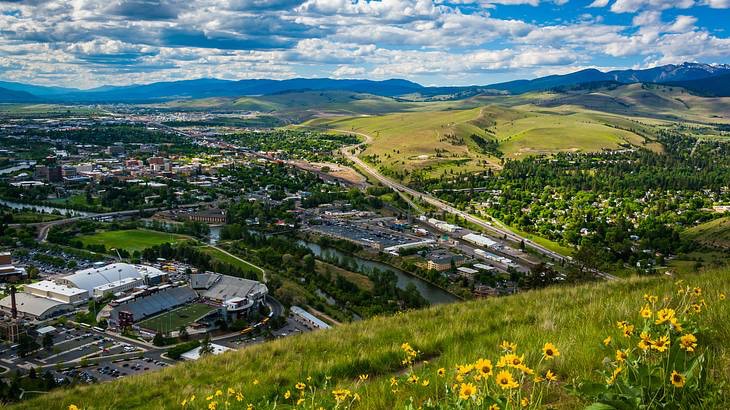
On Tuesday afternoon we flew from Atlanta to Missoula, Montana where we spent the night before going to retrieve Vanna the next morning.  To give you an idea of the geography of the area around Missoula, when Meriwether Lewis visited in 1805 he called it the “hub of five valleys.”  These valleys are located at the convergence of five mountain ranges—the Bitterroot Mountains, Sapphire Range, Garnet Range, Rattlesnake Mountains, and the Reservation Divide.  

The picture above is of Missoula in a clear day, which was not the case yesterday. Over the summer there have been numerous wildfires in the areas surrounding Missoula, so when we arrived there was a heavy smoke and ash cover over the entire valley area.  Vanna has spent the last two months in Jellystone RV & Boat Storage in Missoula, and although she was under roof, the sides of the storage were open and she was covered with with a nasty looking orangey ash.  Very unsightly.   Doug couldn’t wait to clean her up, but car washes big enough for RV’s are hit and miss.  Thus we spent most of the morning looking for a car wash.  Fun times.  The picture below is what the area looks like now, but maybe not so dramatic.

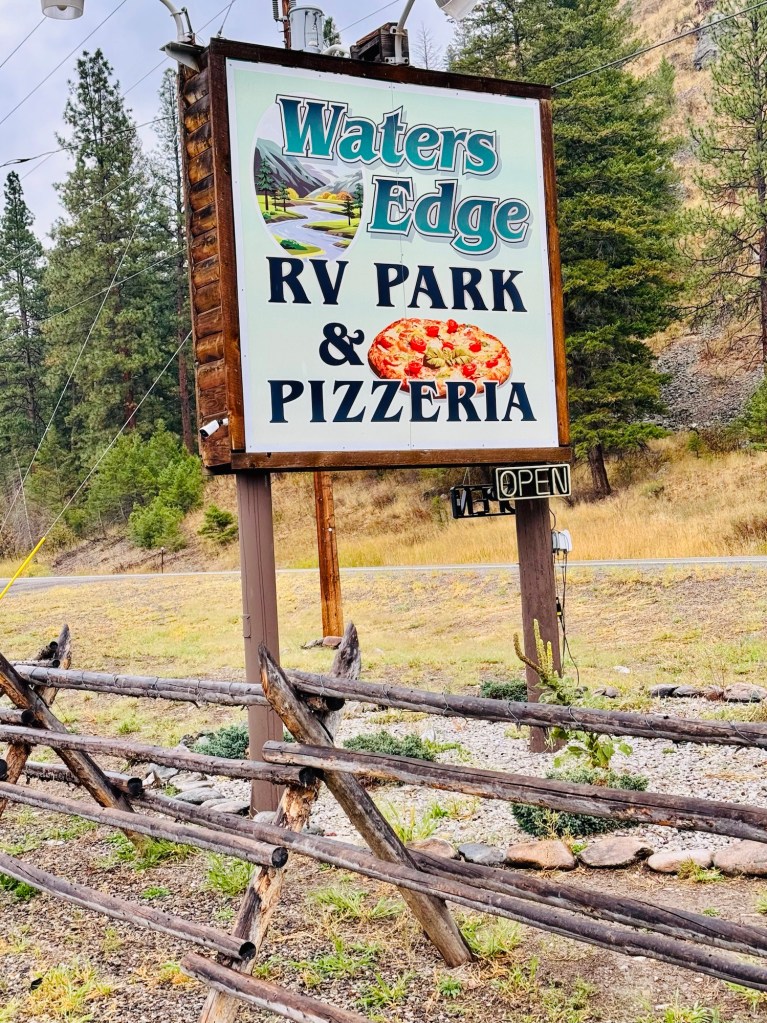
Last night we stayed at Waters Edge Campground and Pizzeria in Fork, Idaho.  Well, we stayed in the campground, not at the pizza place.  When we pulled up around 4 PM, the pizzeria looked forlorn and deserted.  By 5:30, the lights were on and the parking lot was full.  What the heck?  We always like to try local eateries, so we decided to go over and give it a go.  It was one of those old school places with Western Red Cedar tongue-in-groove on the walls, worn wood floor, and simple wood tables and chairs.  The decor was largely taxidermy in the form of several mule deer mounts, along with numerous small framed pictures of hunters and their conquests.  

Not only was the decor old school, the people who were there eating looked like movie extras in an old western.  Almost every man in there had a long gray beard and was wearing a well-washed plaid flannel shirt and faded Lee jeans.  The women did not have on prairie dresses, so it wasn’t quite perfect, but it was still uncanny.  And surprisingly, the food was really good.  Apparently, it was run by a family, and all of them were pressed into service. The son was the cook, Mom was the pastry chef and hostess, Dad was the bartender and general go-for, and the granddaughter was the bus girl and dishwasher.  Since I was raised in a small family business I always feel nostalgic to see that some things have not changed.

On our way to Water’s Edge, we drove through Darby, Montana where “Yellowstone” was filmed.  I have only seen “Yellowstone” once or twice, but I did recognize the little clothing store in the downtown area where the owner treated Kayce Dutton’s wife like crap because she was a full-blooded American Indian. (That scene confused me.  Is that kind of prejudice still a thing in the American West?).  Anyway, we drove right by the Chief Joseph Ranch (the Sutton Ranch in the series), which is a working cattle ranch and historic landmark in Montana’s Bitterroot Valley. The ranch’s main house is a 6,000-square-foot mansion built in 1914 that’s used as the Dutton family home in the show.  (If you don’t watch the show, disregard this last paragraph.)

Blog at WordPress.com.

Up ↑