We have been waking up in a different country every day for the last few days, which I have to admit gets confusing. I have had to look at a map of Europe several times lately just to figure out where the heck we are. Plus the time keeps changing and our phones don’t always automatically change, so keeping track of the time is difficult as well. Right now we are on the Baltic Sea on our way to Liepaja, Latvia.
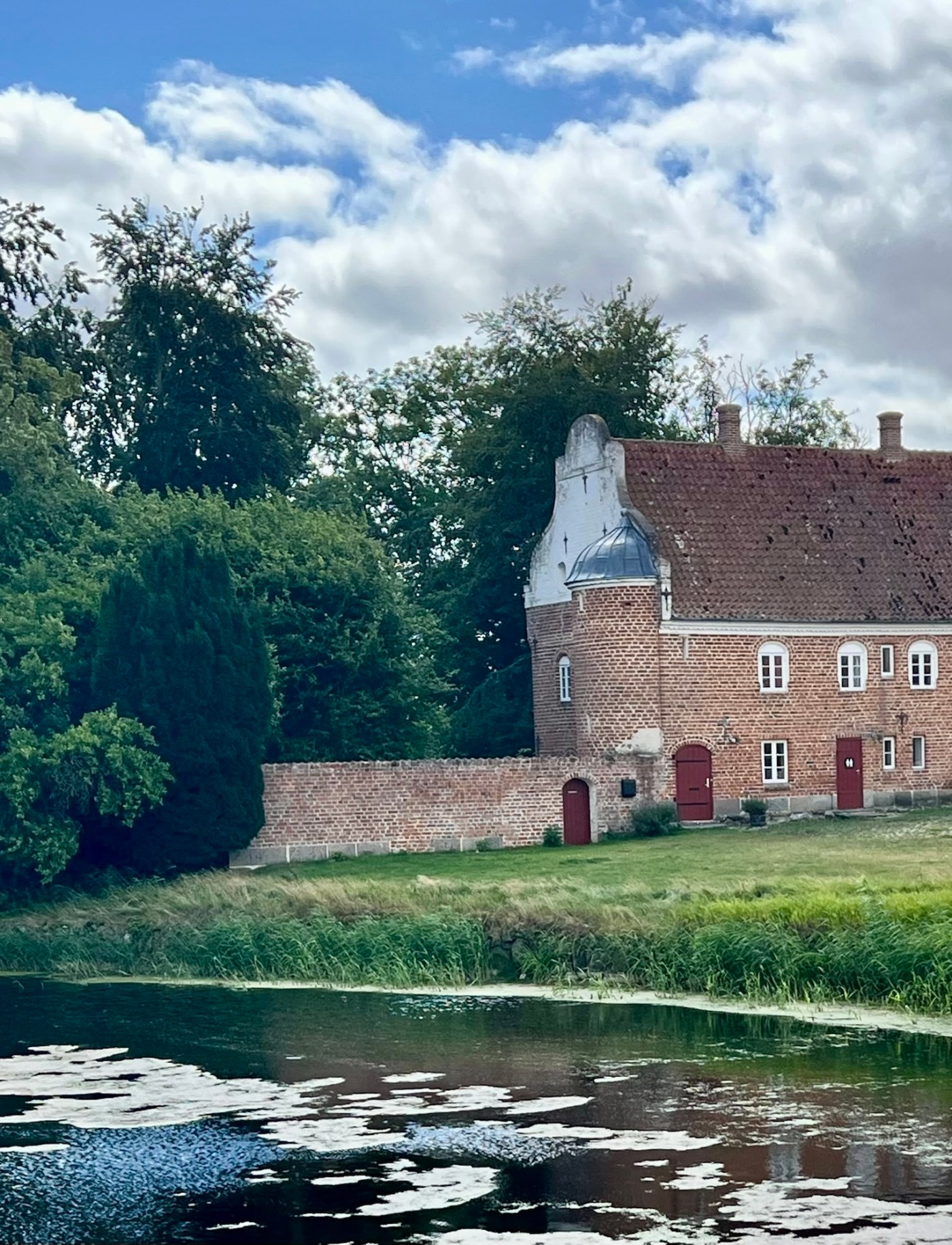
On Thursday we were in Lyseskil, Sweden but I don’t have much to report because we were due to go on a boat cruise of the harbor in the morning and it was windy, cold and rainy with the choppiest water ever. I don’t do boats in those conditions, so we bailed. It cleared up just as we were leaving, so here’s a picture from the ship.
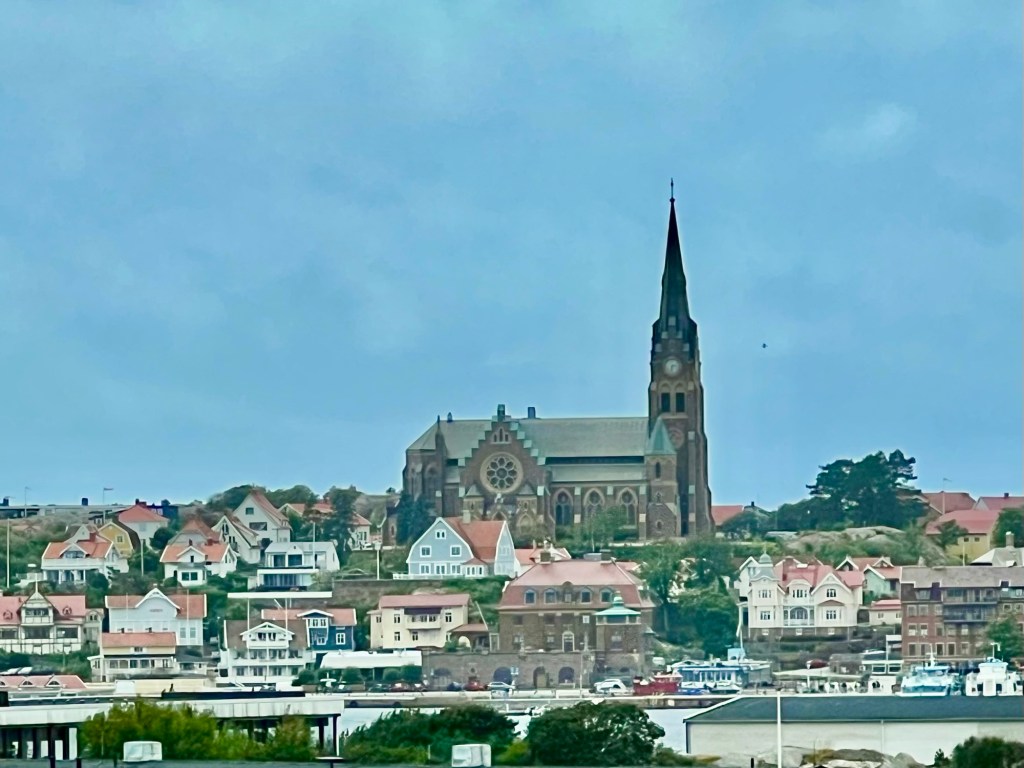
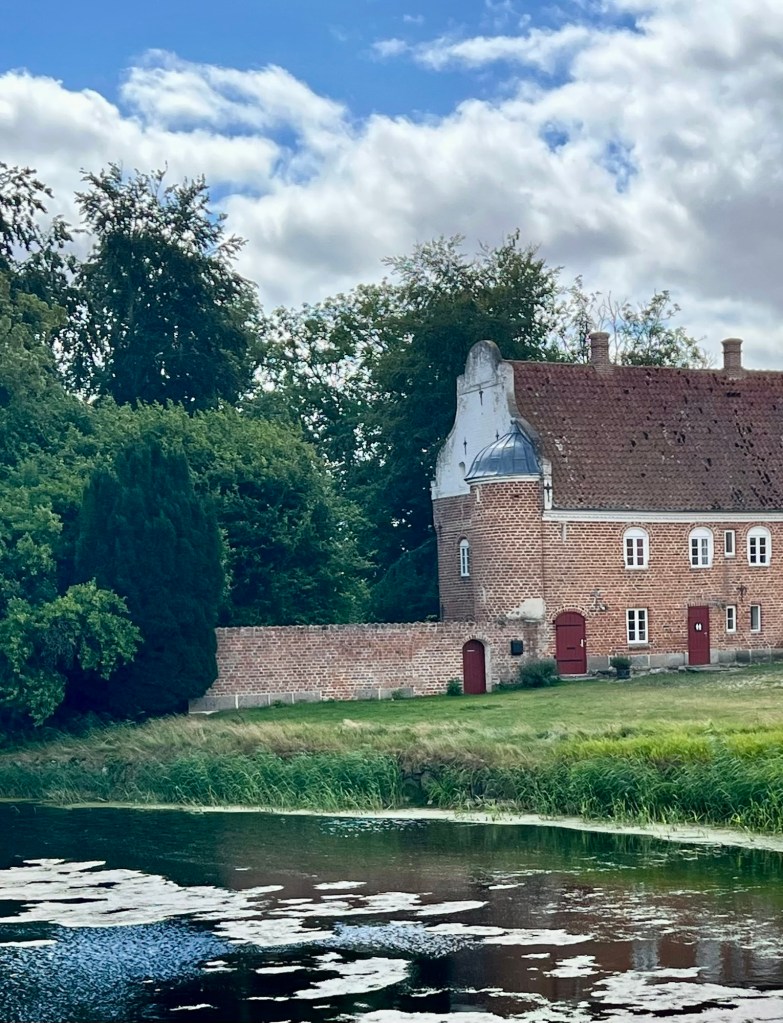
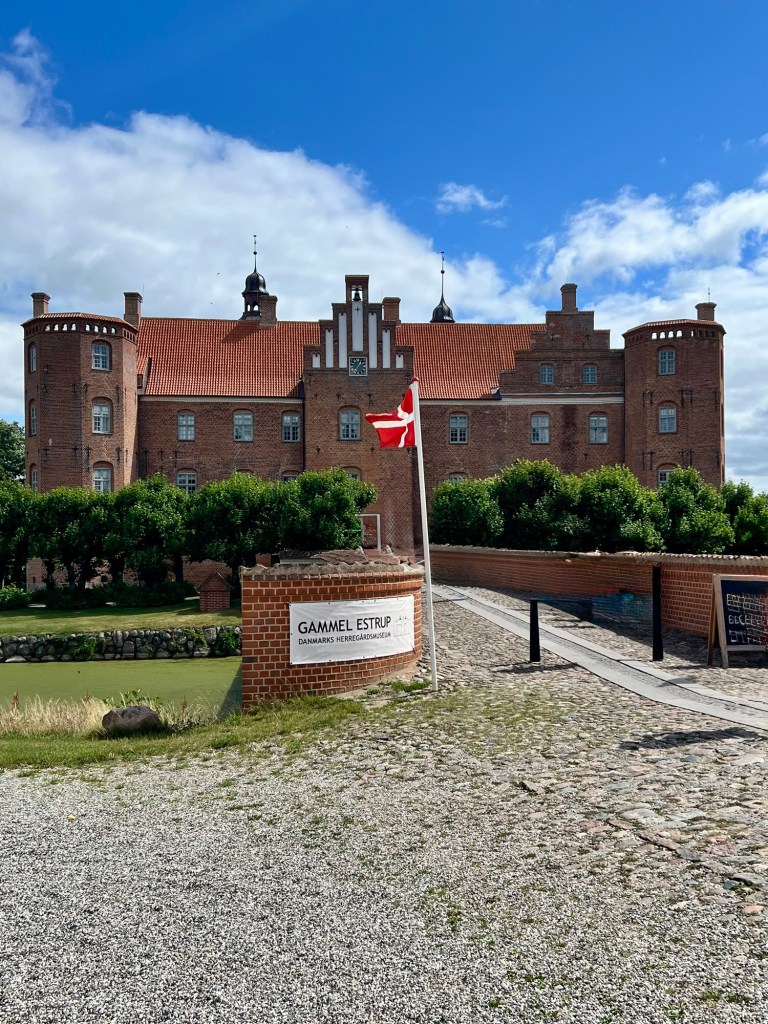
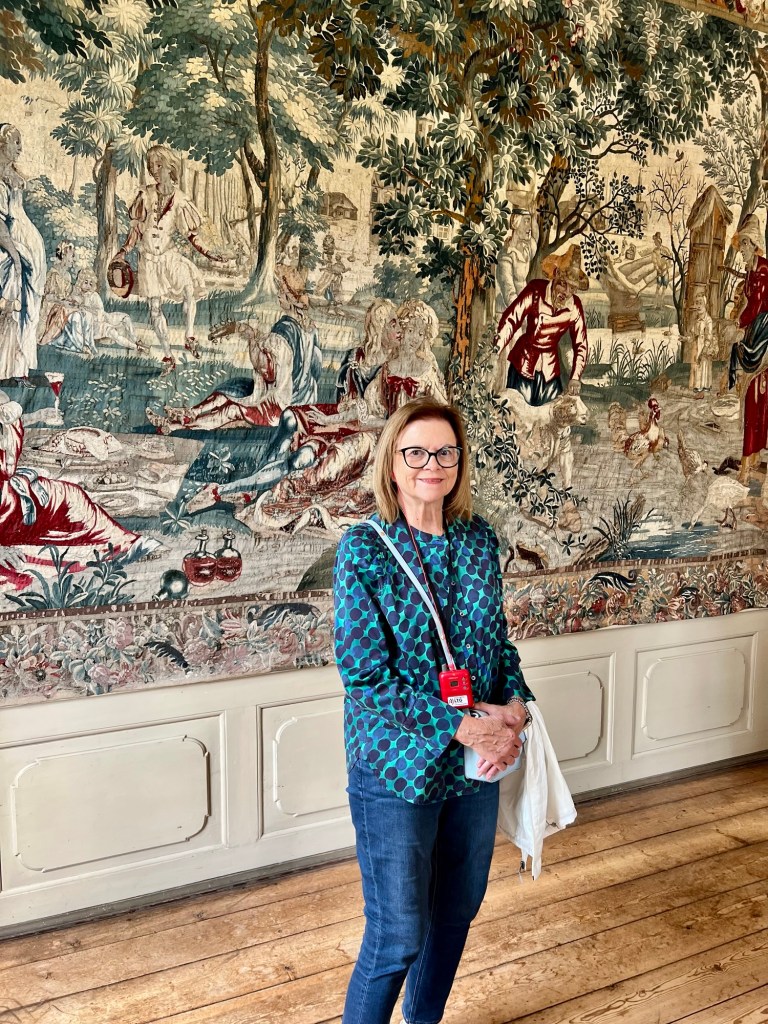
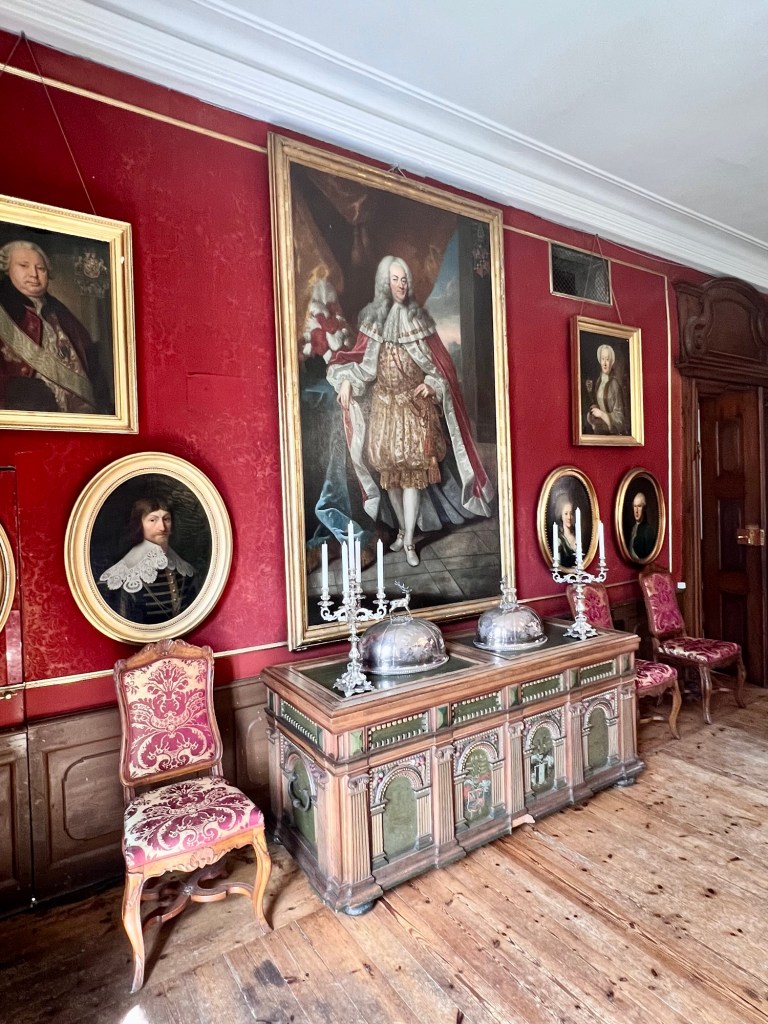
Friday we took a tour from Aarhus, Denmark to Rosenholm Castle and Gammel Estrup Manor. Our tour guide, Ane, spent a great deal of time explaining why a manor was larger than the castle, so I will relate this information just in case it comes up at your next social gathering. A castle is a grand royal residence for kings, queens, or those closely associated to royalty while a manor is a large, elegant country mansion associated with nobility and usually surrounded by massive barns, stables, gardens, and thousands of acres of farmland worked by peasants. Below are pictures of the Gammel Estrup manor.
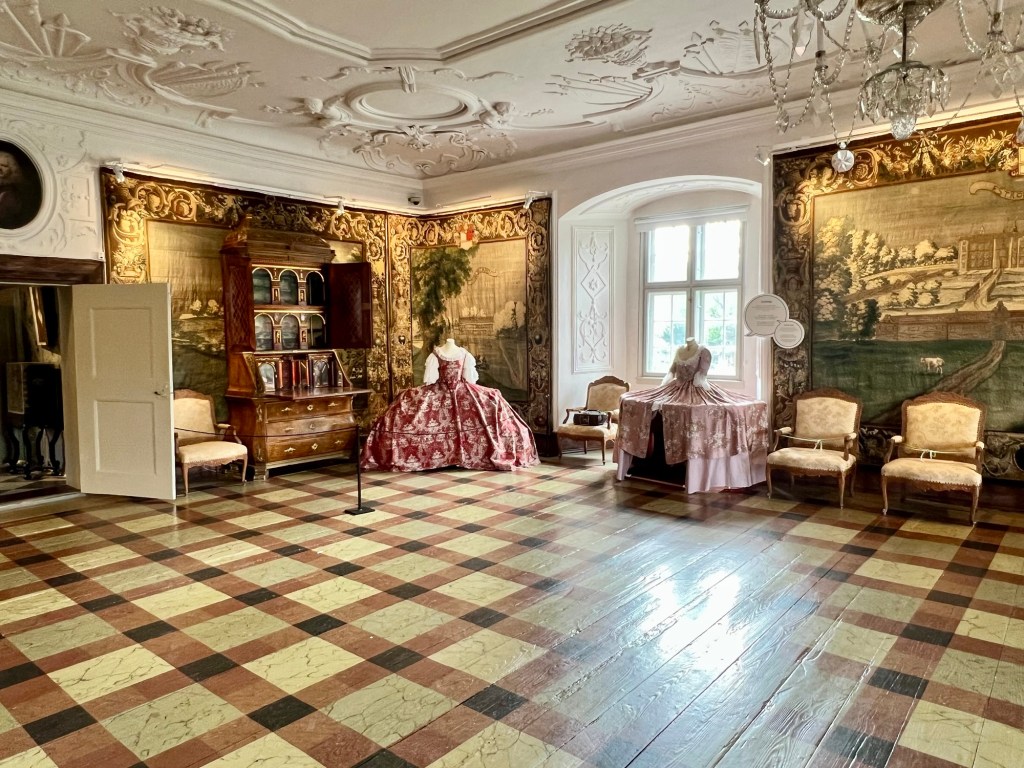
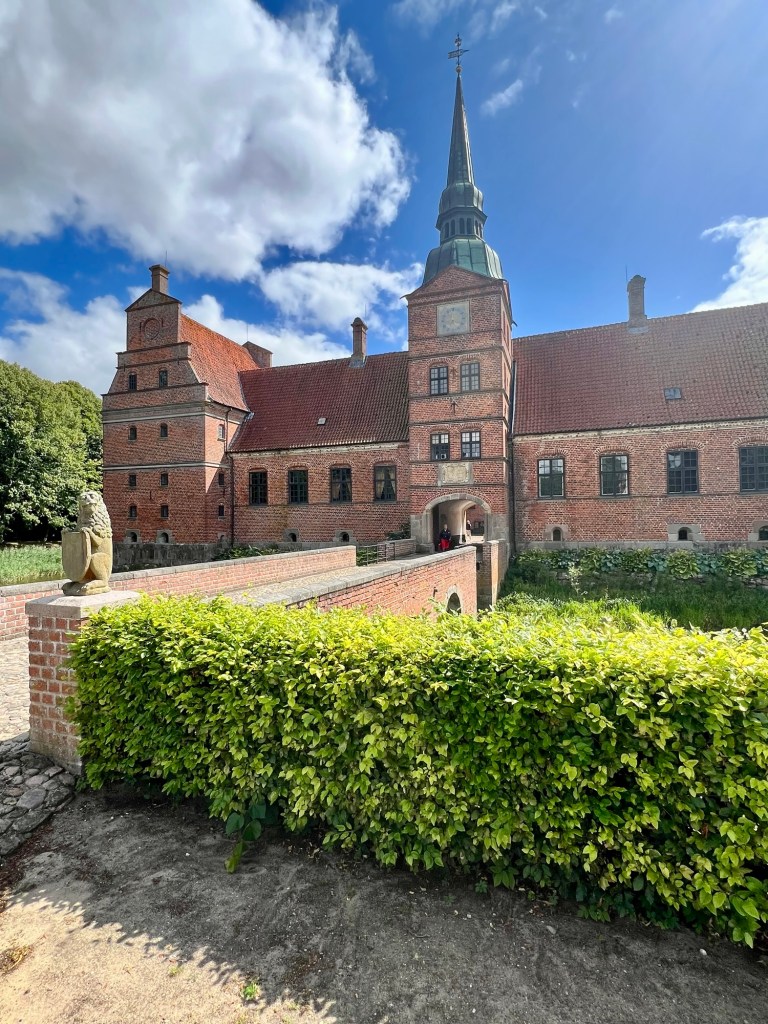
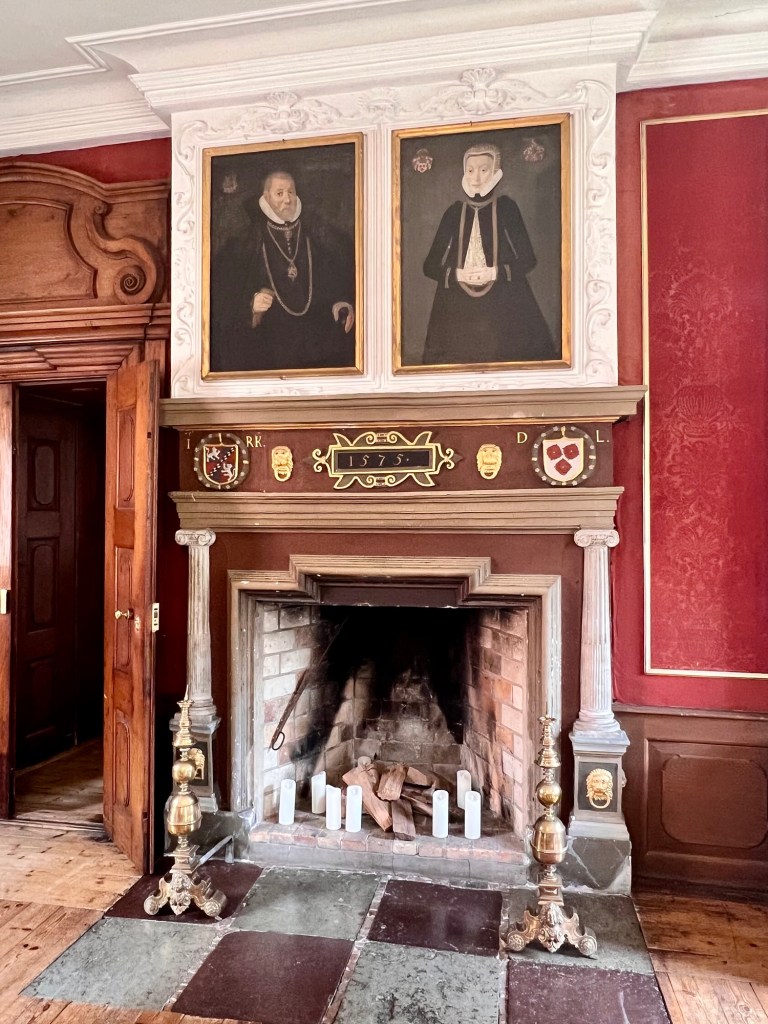
Our other stop, the Rosenholm Castle, was built circa 1559 and was owned by the Rosenkrantz family, who were of high noble lineage. If you read Shakespeare’s “Hamlet” in school you might remember the characters Rosencrantz and Guildenstern, childhood friends of Hamlet, summoned by King Claudius to distract the prince from his apparent madness and if possible to figure out the cause of it (which doesn’t make a ton of sense because Claudius, the king, had Hamlet’s father murdered and then married Hamlet’s mother, Gertrude. It follows that many people might go mad after all that). “Hamlet” is set in Denmark, as in “Something is rotten in the state of Denmark.” The Rosenkrantz and Gyldenstierne families made up a significant portion of the Danish aristocracy during the 1590s, and Shakespeare probably used their names to add authenticity to the play. Long story to explain something most people don’t care about in the least.
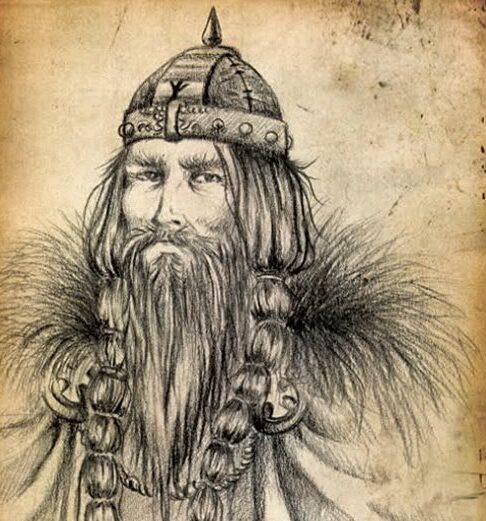
And while we are on fascinating facts about Denmark, did you know that Bluetooth technology is named after Harald “Bluetooth” Gormsson, a 10th century Viking king who famously united Scandinavia? In the late 1990’s, tech developers used his name as a temporary code name because they wanted their technology to similarly unite PC’s and cellular devices. Apparently, one of the inventors had recently read a book about King Harold. By the way, the nickname “Bluetooth” translates from Old Norse roughly as “blue or black tooth,” so Harald probably had some dental problems. I looked it up and the Bluetooth website has an artist rendering of Harald.
On every tour, Denmark included, there are at least one or two fellow travelers who dominate the tour guide’s time with stupid questions, unreasonable requests, and/or long stories about their previous visits to said place. On the Denmark tour one lady, who we will call Gladys, requested that we cut the tour short because she wanted to get back to the ship early. Ane, the Danish tour guide, tried to be nice, but Gladys would not give it up. Okay, Gladys, we will do it just for you. Who cares about the other twenty people on the tour.
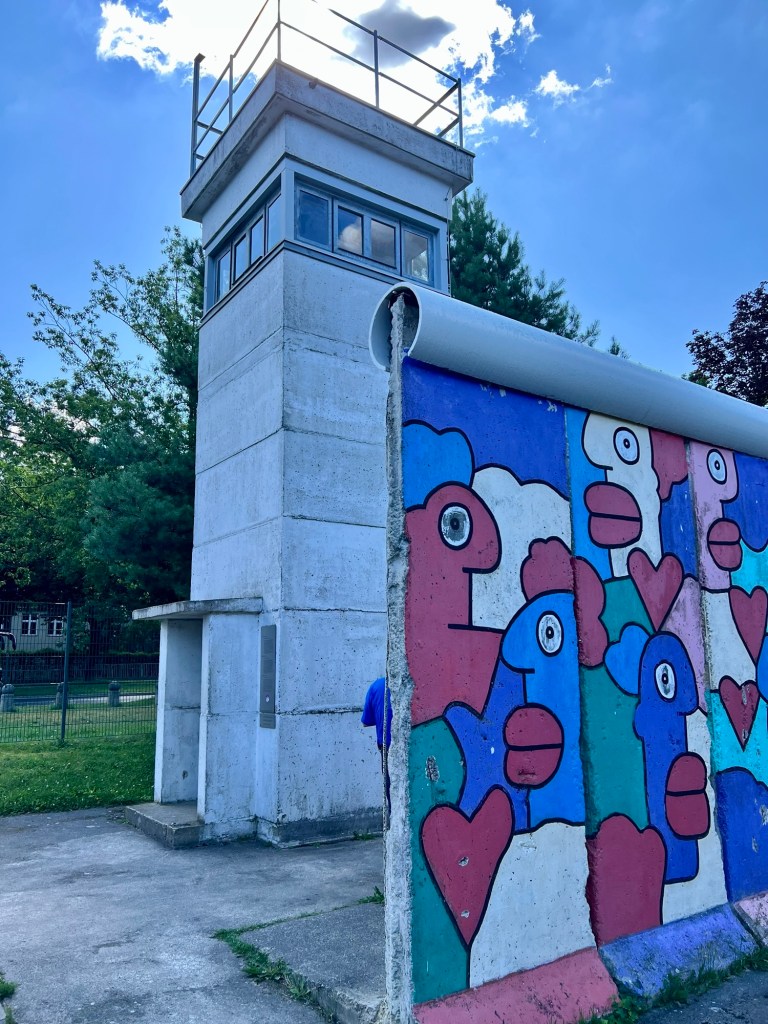
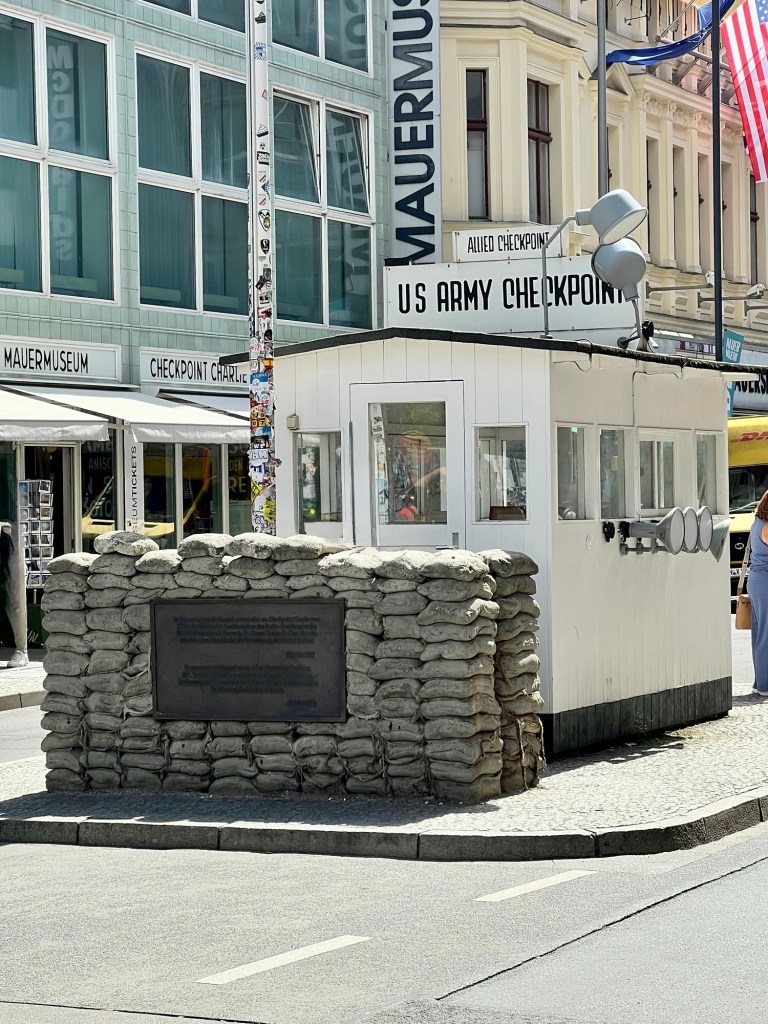
Yesterday we took an extremely long tour to Berlin, which as you probably know, is not on the ocean. We were in port at Rostock, which is about 142 miles from Berlin. But Doug really wanted to see it, so we went for it. It was whirlwind trip, but we did see the remains of the Berlin Wall, the Brandenburg Gate, the Allied Museum, the Reichstag, and Checkpoint Charlie, the best-known Berlin Wall crossing point between East and West Berlin during the Cold War.
The Berlin Wall has a complicated story, but the basics are that it was built because in the years after the war ended until 1961, about 2.5 million East Germans had fled from East to West Germany including rising numbers of skilled workers, professionals, and intellectuals. Their loss threatened to destroy the economic viability of the East German state. In response, East Germany built the wall to close off East Germans’ access to West Berlin and hence West Germany. The Brandenburg Gate is where President Ronald Reagan gave his “Tear Down This Wall Speech” on June 12, 1987. The Reichstag is a parliament building that played a major part in the onset of the war. Just four weeks after being appointed Chancellor, Hitler used the arson of the parliament building as a pretext to eliminate political rivals, suspend civil liberties, and seize absolute power. All short versions.

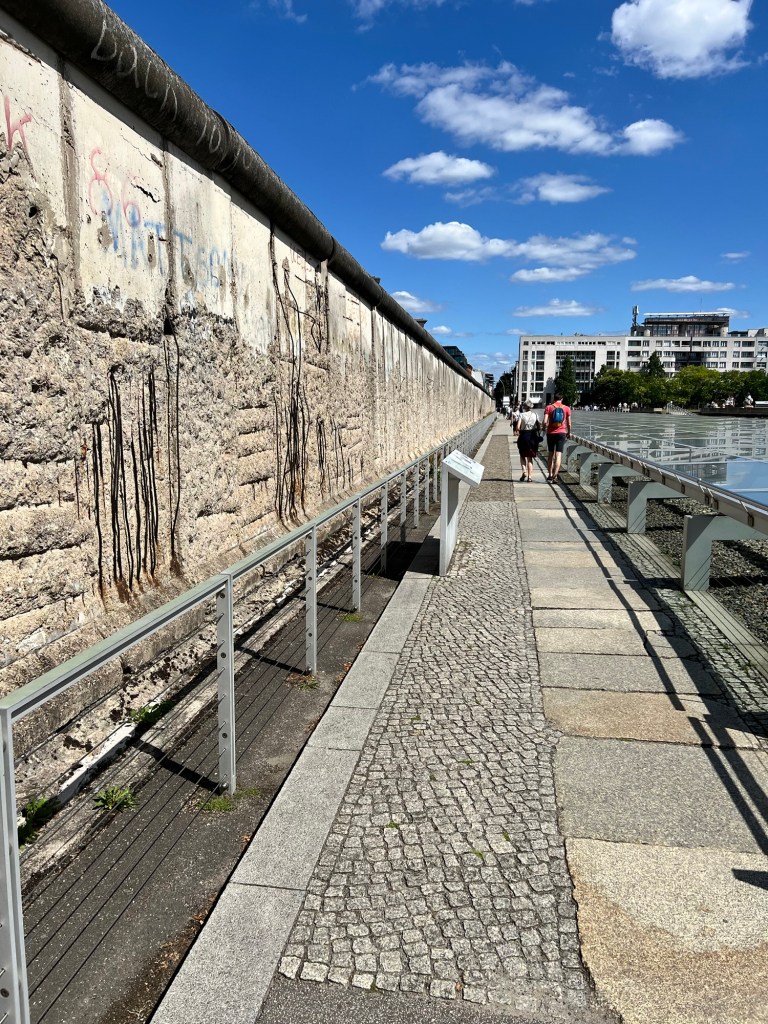
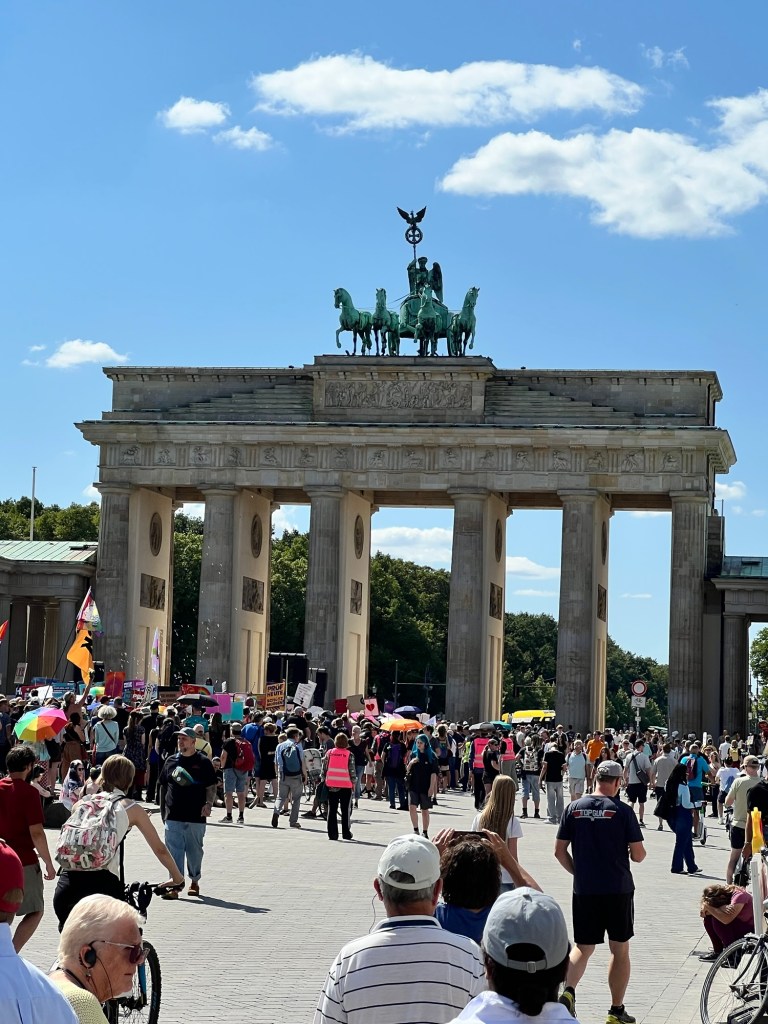
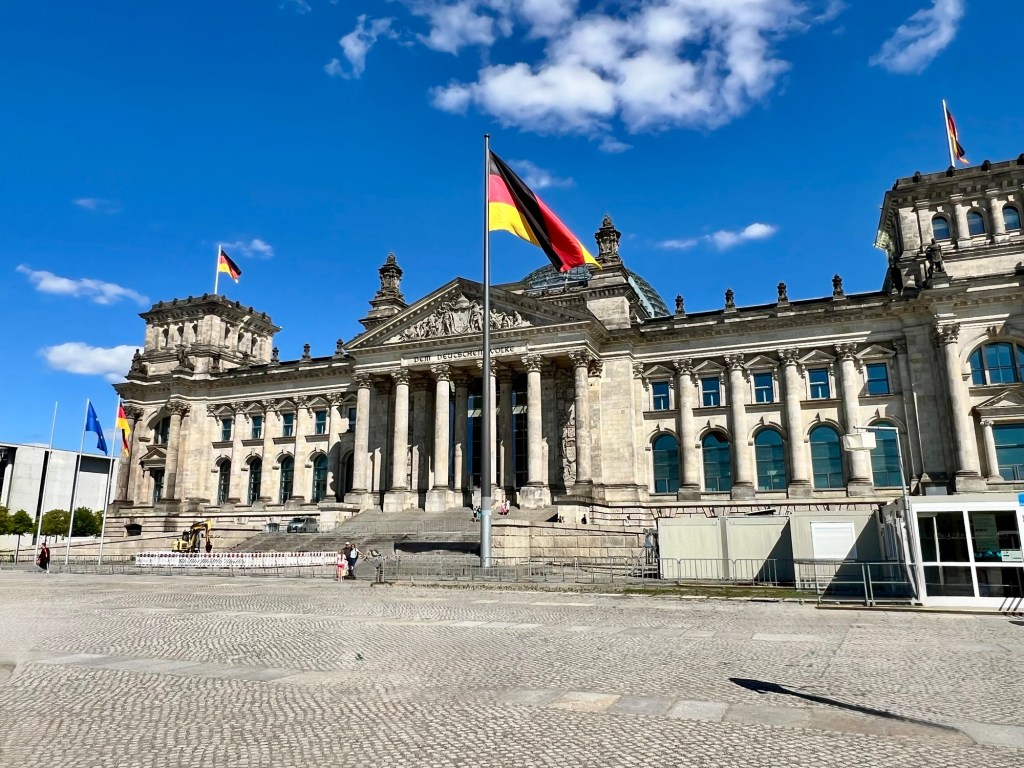
Our tour guide yesterday was Asaf, a German guy who was the king of digressive speeches. He took so many detours from his main point that I think both he and everyone else on the tour forgot what his main point even was. Asaf said that university is free in Germany, so he earned two Master’s degrees and then a PhD in Tourism. Wait, you mean there’s such a thing as a PhD in Tourism? Why yes, there is. The annoying fellow traveler award went to Linda, the know it all who had been to Berlin before, and knew just enough German to butt in to Asaf’s digressive speeches and make him digress even more. (I know, I digressed in my “Hamlet” thing, but at least I stayed in the general neighborhood.)
In case you are wondering, our cruise lasts from July 31st to August 18th, or 18 days, which seems like a really long time. However, people stay on much longer. For instance, the people in the suite next to us embarked on the cruise on June 29th in New York and they will be on the ship until September 18th when they disembark in Barcelona, Spain. That’s 181 days. There is no way in Hades I would want to be on this ship that long.
As I mentioned, tomorrow we will be in Liepaja, Latvia.
 A. Roam of My Own: Travels With Annie
We just went to the exhibit at Union Station on The Berlin Wall. One of the most interesting ones we have been to. We saw pictures of all those places you visited and commentary from people who lived through it. I bet it was cool to be there and see it! Jan
LikeLiked by 1 person
it was interesting to see all of the places we have heard about for sure. It’s a sad history.
LikeLike
How rude (or egotistical) can you be to ask the tour guide to cut the tour short so they can get back to the ship. She should have either taken a shorter tour or just stayed on the ship. People. Anyway, it sounds like you are having a good time. What do you think of Regent?
LikeLike
I know, right? That was a new one for me. Regent is nice, but the ship we are on is pretty dated. They updated the suites but the public area is tired.
LikeLike
Looking like an amazing trip!
LikeLike
I learned a lot from this post! Who knew that Shakespeare used real people? That Bluetooth was a person? Not me! And Gladys should have been punched in the throat. Why couldn’t she just go back to the boat herself? We were also and all the same spots in Berlin. We can compare pictures when you get home.
LikeLike
I’m glad you enjoyed it. Yes, I was interested in the Shakespeare aspect for sure. Gladys was a jerk. 😬
LikeLike
I learned a lot also! I have never thought about where the word bluetooth came from. Of course there were other good facts in there but it looks like bluetooth really stuck out for Julie and me. Oh and yes, that Shakespeare used real names. Guess there’s a method to his madness. Get it. Ya’ll are definitely seeing the sights. Looks like fun! 😅
LikeLiked by 1 person
It’s so crazy that you guys and Julie were in some of the same spots weeks apart! What are the chances? And I enjoyed the Hamlet diversion. 😄
LikeLike